
Table of Contents
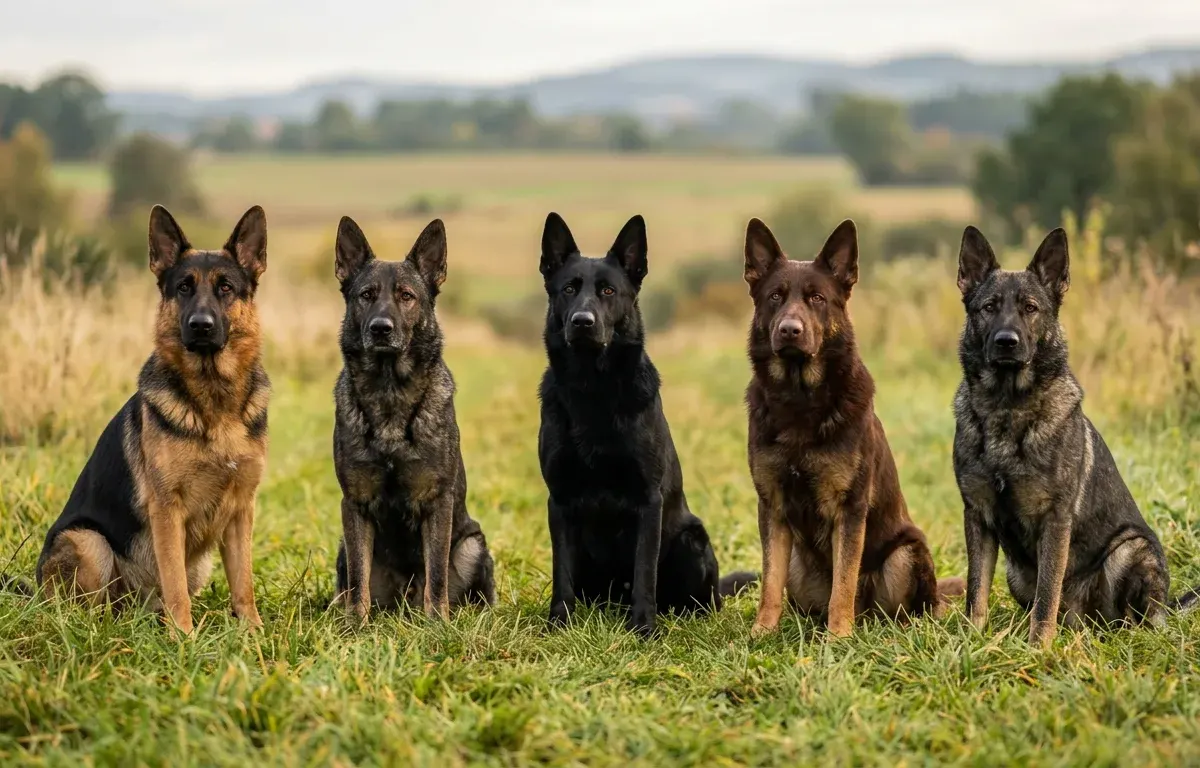
Officially, major kennel clubs recognize only one German Shepherd Dog breed, but dog trainers and breeders divide the breed into 5 distinct bloodlines. When determining how many types of German Shepherds are there, the five main categories are West German Show Lines, West German Working Lines, East German DDR Lines, Czech Working Lines, and American Show Lines. Each line features unique physical traits, coat colors, and energy levels developed for specific tasks ranging from family companionship to high-intensity police and protection service.
- Five distinct bloodlines exist: West German Show, West German Working, East German DDR, Czech Working, and American/Canadian Show lines.
- Major kennel clubs maintain a single unified breed standard rather than classifying these bloodlines as separate breeds.
- Working lines feature straight toplines and high prey drives, whereas show lines emphasize structured conformation and rear angulation.
- Coat varieties include short stock coats, long stock coats with undercoats, and long coats without undercoats across standard and rare colors.
German Shepherd Breeds vs. Bloodlines: Understanding the Taxonomy
Prospective dog owners frequently ask how many breeds of German Shepherds are there when researching the breed. Genetically and administratively, there is only one recognized German Shepherd Dog breed. Major cynological bodies evaluate the breed under a unified standard, as detailed in the official American Kennel Club breed standard, which defines the ideal conformation, gait, and temperament for all recognized dogs.
The perception that multiple German Shepherd breeds exist stems from distinct breeding philosophies established over the past century. When Captain Max von Stephanitz founded the Verein für Deutsche Schäferhunde (SV) in Germany in 1899, his primary motto centered on utility and intelligence. Over decades of geographical separation and specialized breeding, distinct bloodlines emerged.
Working dog communities categorize these variations into bloodlines rather than separate breeds. A show line dog bred for conformation rings in North America exhibits noticeable differences in bone density, energy drive, and spinal angulation compared to a working line dog bred for European border patrol. Prospective owners evaluating long-term health and wellness often compare large breed lifespans against smaller companion breeds, such as reviewing how long French Bulldogs live alongside German Shepherd life expectancy. Similarly, understanding canine mortality patterns across different body types helps families plan long-term care, as detailed in research exploring how long Pug dogs live compared to larger working breeds. While kennel club registries recognize a single standard for show conformation, functional working registries evaluate dogs strictly on temperament tests, scent tracking, and handler protection trials. This division creates distinct subtypes with different physical builds and lifestyle requirements.
The 5 Main Types of German Shepherd Bloodlines
Dog enthusiasts and professional trainers classify German Shepherds into five primary bloodlines. Each lineage reflects specific historical priorities, breeding standards, and functional capabilities.
West German Show Lines (Hochzucht)
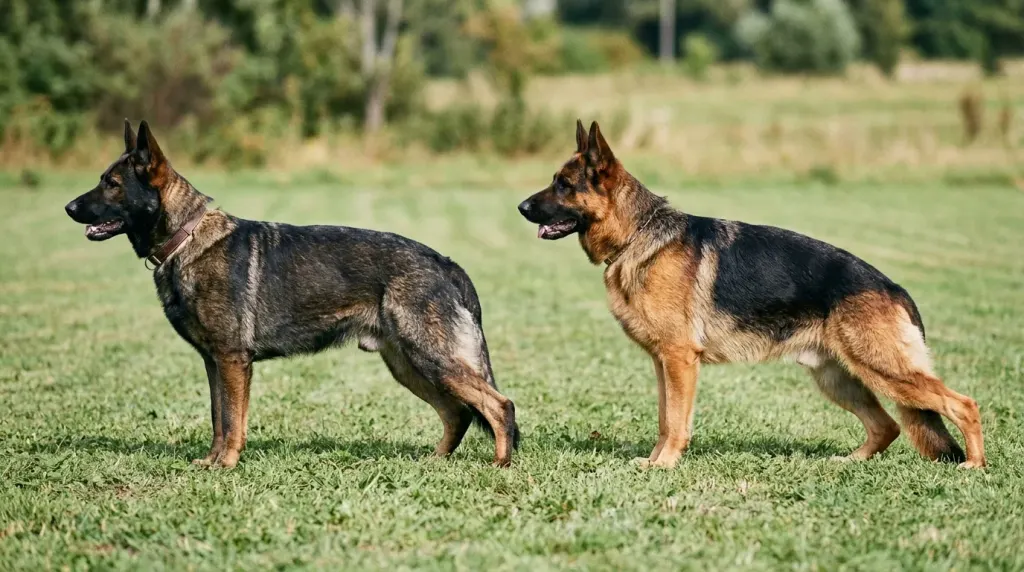
West German Show Lines represent the most popular German Shepherd type across Europe and international show rings. Breeders develop these dogs to meet strict German SV standards, requiring health clearances and working titles before breeding approval.
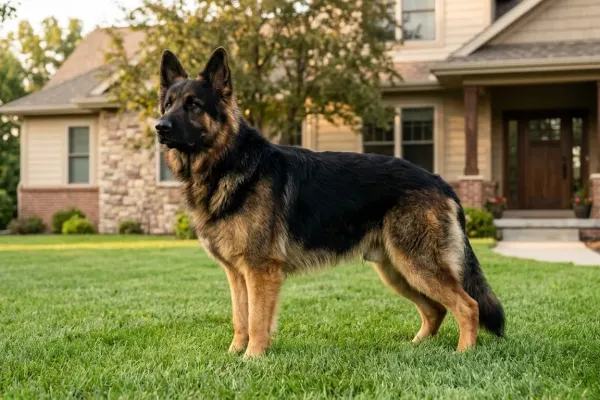
These dogs feature a recognizable black and red or rich black and tan saddle pattern. They possess a moderately sloped back, deep chest, and strong pigmentation. While bred primarily for conformation, they retain solid working capabilities and balanced temperaments. They make reliable family companions when provided with regular exercise. Prospective owners preparing a budget should note that premium titled puppies command significant investment, mirroring how purebred companion pricing varies when researching how much French Bulldogs cost from reputable breeders.
West German Working Lines (Leistungslinien)
West German Working Lines trace directly back to dogs bred for genuine utility, including herding, law enforcement, and Schutzhund (IGP) sport. These dogs prioritize work ethic, athletic resilience, and mental stability over cosmetic uniformity.
Physically, West German working lines possess a compact, muscular build with a straight topline and dense bone structure. Their coat colors vary widely, with dark sable, bi-color, and solid black being common. These dogs exhibit intense prey and defense drives, requiring structured daily jobs, obedience training, and active mental stimulation to prevent destructive boredom.
East German Working Lines (DDR Lines)
East German Working Lines, commonly known as DDR lines (Deutsches Demokratisches Reich), developed under strict government oversight in East Germany between 1949 and 1990. The state managed breeding programs specifically for military border patrol along the Iron Curtain.
DDR German Shepherds are renowned for their heavy bone structure, large blocky heads, wide shoulders, and straight backs. Their coats are typically dark sable or solid black with weather-resistant density. Because the government enforced rigorous screening for hip dysplasia and physical endurance, DDR lines developed exceptional physical resilience. They possess a high defense drive combined with a calm, watchful demeanor when off duty.
Czech Working Lines (Pohraniční Stráže)
Czech Working Lines originated within the military border guard kennels of Communist Czechoslovakia (Pohraniční Stráže). Breeders focused on producing intense patrol dogs capable of apprehending intruders and working in harsh mountain terrain.
Czech shepherds share common ancestry with DDR lines but often display a leaner, highly agile frame. Their coats are predominantly dark wolf-sable or solid black. These dogs are celebrated for their extreme tenacity, sharp agility, and deep handler loyalty. Because of their powerful working drive, Czech lines excel in search and rescue, police tracking, and high-level competitive dog sports.
American and Canadian Show Lines
American and Canadian Show Lines diverged from European stock during the mid-twentieth century, focusing on American Kennel Club (AKC) and Canadian Kennel Club (CKC) conformation standards.
These dogs feature a lighter bone structure, a distinct domed head, and pronounced rear angulation designed for a dramatic, flowing side gait known as the flying trot. Their coats are predominantly black and tan in a saddle or blanket pattern. American show lines have a softer, calmer temperament with lower prey drive compared to European working lines. Their milder energy profile makes early obedience simpler for novice handlers, whereas structured foundation work is equally vital for toy breeds when owners study how to train a Pug dog in basic household manners.
German Shepherd Type Comparison: Traits, Drive, and Physical Structure
Understanding the physical build and drive levels of each bloodline allows prospective handlers to select a dog matching their living environment. The following comparison highlights key differences across the five main bloodlines.
| Bloodline Type | Topline and Build | Primary Colors | Working Drive | Best Suited Role |
|---|---|---|---|---|
| West German Show | Sloped topline, deep chest | Black and red, black and tan | Moderate to high | Family companion, show ring, club sports |
| West German Working | Straight back, athletic build | Sable, bi-color, solid black | High to extreme | Police K-9, military, Schutzhund/IGP sport |
| East German DDR | Straight back, heavy bone | Dark sable, solid black | High, calm demeanor | Border patrol, personal protection, active home |
| Czech Working | Straight back, agile frame | Dark sable, solid black | Very high, intense focus | Protection, tracking, competitive working trials |
| American and Canadian Show | Angulated rear, lighter bone | Black and tan saddle | Mild to moderate | Family pet, conformation show ring, therapy |
While male German Shepherds regularly reach 65 to 90 pounds, families weighing living space constraints often compare these dimensions against compact companion profiles such as how big adult Pugs get in urban homes. Evaluating overall stature is equally essential for apartment dwellers contrasting large herding canines with low-profile options like how big French Bulldogs get before selecting a pet.
Coat Variations and Color Types in German Shepherds
Beyond bloodlines, German Shepherds are also categorized by coat length and color genetics. These coat varieties occur across multiple bloodlines, although certain lines exhibit higher frequencies of specific patterns.
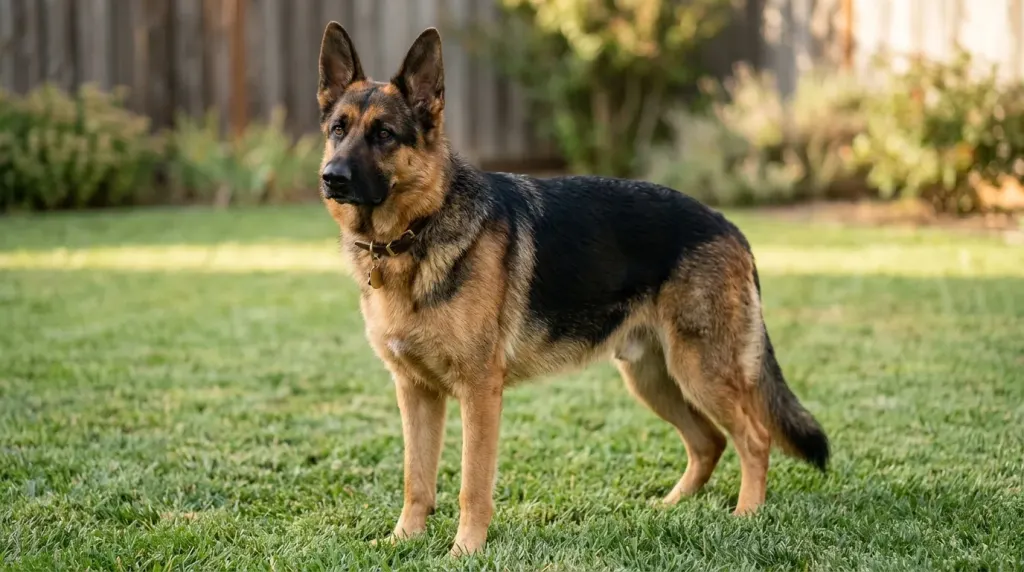
Canine registries recognize three primary coat types:
- Short Stock Coat (Stockhaar): The traditional double coat featuring a dense outer layer of straight, harsh hair over a thick, soft undercoat that provides thermal insulation and water resistance.
- Long Stock Coat (Langstockhaar): Longer outer guard hairs with a distinct undercoat, creating feathering on the ears, chest, legs, and bushy tail. Recognized by the AKC and SV for conformation showing since 2010.
- Long Open Coat (Langhaar): Long, soft hair lacking an undercoat, offering reduced protection against cold or wet weather.
The breed presents diverse color variations. Standard accepted colors include classic black and tan, black and red, bi-color, all-black, and rich sable ranging from silver sable to dark wolf-sable. Non-standard color variations resulting from recessive genes include white, liver, blue, and isabella. While white German Shepherds are recognized as a separate breed in Europe (the Berger Blanc Suisse), major kennel clubs classify them as a disqualifying color fault in standard rings.
The dense double coat sheds year-round and requires weekly brushing, requiring a very different maintenance routine than the smooth coat bathing schedule outlined for how often to bathe a French Bulldog. Routine hygiene also involves regular ear inspections, which differs from the specialized folds care required when cleaning a French Bulldog’s ears safely to avoid moisture buildup.
Choosing the Right German Shepherd Type for Your Lifestyle
Selecting the ideal German Shepherd type depends on your household experience, living space, and daily exercise commitment. Mismatches between handler experience and dog drive remain a primary cause of behavioral challenges.
Families seeking a calm companion dog generally thrive with an American show line or a West German show line from health-tested parents. These lines provide reliable companionship, trainability, and protective intuition without overwhelming exercise demands.
Conversely, working lines such as DDR, Czech, and West German working shepherds require experienced handlers. A working line shepherd demands up to two hours of high-intensity exercise and mental tasks each day, contrasting sharply with the lower exercise needs described in daily care for a French Bulldog. Owners balancing busy professional schedules must assess daily time commitments realistically, just as new dog owners evaluate daily responsibilities when learning how to take care of a Pug dog.
Note: Working line German Shepherds thrive when assigned specific daily tasks such as scent tracking, agility courses, or structured obedience drills. Without physical and cognitive outlets, high-drive working dogs may develop unwanted vocalization or destructive chewing habits.
Frequently Asked Questions about German Shepherd Types
Which German Shepherd type has a straight back?
East German DDR lines, Czech working lines, and West German working lines typically possess straight, level toplines. These working lineages were developed for physical durability, jumping power, and stamina without the extreme rear angulation seen in show conformation lines.
What is the rarest German Shepherd type and color?
Pure East German DDR lines are among the rarest bloodlines due to the small historical breeding pool preserved after the reunification of Germany. In terms of coloration, solid liver, blue, and panda patterns are rare recessive variations, though they represent disqualifications in standard show rings.
Are DDR German Shepherds different from Czech working lines?
Yes, although they share historical roots in Eastern European border security. DDR lines were bred strictly under East German military oversight, emphasizing heavy bone structure, wide heads, and calm territorial defense. Czech lines originated from the Czechoslovakian border patrol kennels, resulting in leaner, more agile frames with intense prey drive and tracking speed.
Which German Shepherd type makes the best family companion?
American show lines and West German show lines generally make the best family companions for typical households. They possess moderate energy levels, affectionate temperaments, and high trainability without requiring the intensive daily drive outlets demanded by working lines.
Do working line German Shepherds live longer than show lines?
Working line German Shepherds often enjoy slightly greater longevity and a lower incidence of certain structural joint issues because their breeding programs emphasize physical stamina and rigorous health screenings. Across all bloodlines, individual lifespan varies depending on genetic background, daily workload, nutrition, and routine veterinary care rather than lineage alone.
Leave a Reply