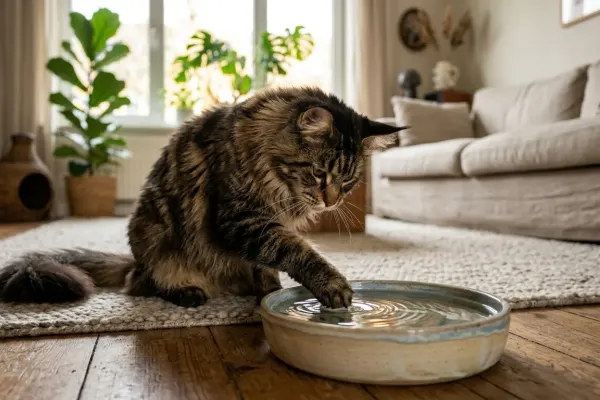
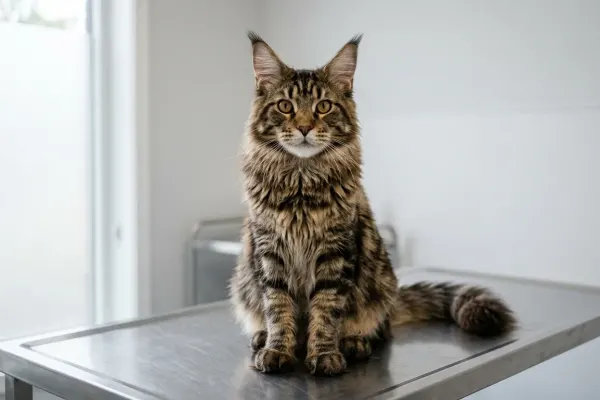
Yes, most Maine Coon cats genuinely like water due to a 2-layer, water-repellent double coat and a maritime working heritage developed in 19th-century New England. Their dense undercoat and oily guard hairs insulate their skin from moisture, driving common behaviors like dipping paws into 1 to 2 inches of water, batting at dripping sink faucets, and investigating showers.
September 18, 2026
By ShowDogsWest Editor
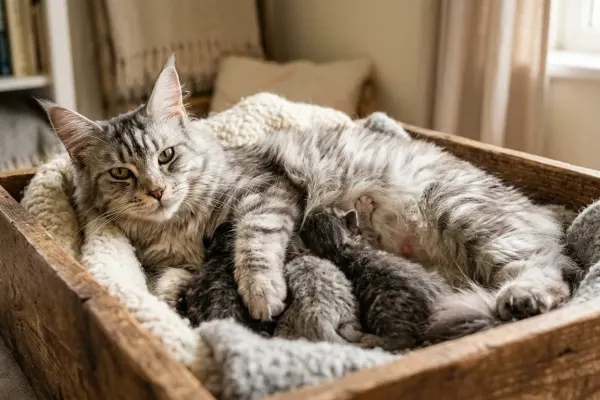
In answering how many kittens do Maine Coons have, veterinary records show that a queen typically gives birth to 3 to 6 kittens per litter, with an overall average of 4 to 5 kittens. Veterinary studies focusing on purebred Maine Coons document a mean litter size ranging between 4.2 and 5.3 kittens. Litter size can range anywhere from a single kitten up to 8 or more depending on the queen's age, physical health, genetics, and maternal parity.
September 17, 2026
By ShowDogsWest Editor
Are Maine Coons part Angoras? No, feline genetics confirms they are not. The Maine Coon is an independent natural landrace breed that developed in Maine over centuries of adaptation to cold New England winters. While popular folklore suggested longhaired Angoras brought by sailors or French royalty crossbred with local cats, modern genetic studies confirm that similarities between the two breeds stem from convergent environmental adaptation rather than shared hybrid ancestry.
September 15, 2026
By ShowDogsWest Editor
You can adopt a Maine Coon cat through dedicated 501(c)(3) breed-specific rescue organizations (such as Maine Coon Rescue and East Coast Maine Coon Rescue), aggregate pet databases like Petfinder and Adopt-a-Pet, local animal shelters, or retired breeding programs from registered catteries. Adoption donation fees typically range from $100 to $450, covering spay/neuter surgery, vaccinations, microchipping, and veterinary screening.
September 14, 2026
By ShowDogsWest Editor
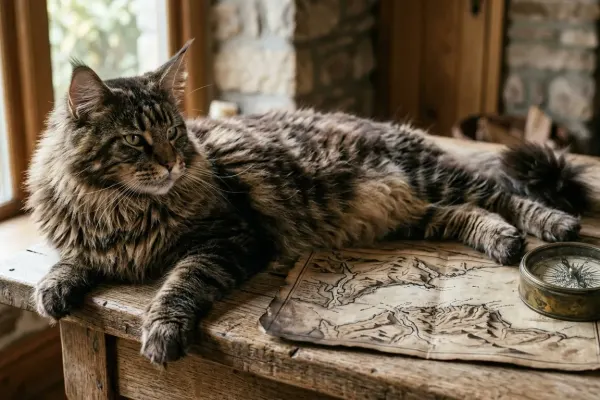
Learning how to identify a Maine Coon cat involves checking for a large rectangular body frame, a distinct square muzzle with a gentle concave profile dip, large lynx-tipped ears set high on the head, an uneven shaggy double coat with a frontal ruff, and a long plumed tail reaching the shoulders. Full physical maturity develops slowly over several years of growth. Because domestic longhair cats often share similar physical traits, official pedigree registration or genetic testing is required for definitive confirmation.
September 13, 2026
By ShowDogsWest Editor
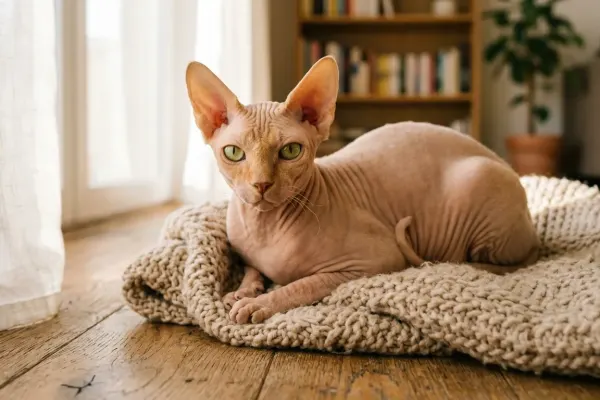
The Sphynx is a medium-sized, muscular domestic cat breed characterized by a lack of a traditional fur coat caused by a natural genetic mutation. Sphynx cats are not maintenance-free or completely hypoallergenic; their exposed skin produces natural oils that require periodic bathing, skin fold hygiene, weekly ear cleaning, and constant protection from cold drafts and direct sun. They are energetic, companion-focused cats prone to hereditary conditions such as hypertrophic cardiomyopathy and congenital myasthenic syndrome that require proactive veterinary screening.
September 12, 2026
By ShowDogsWest Editor
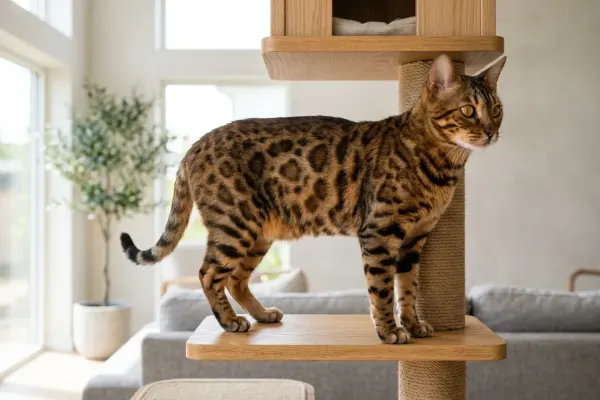
A Bengal is a domestic cat breed developed by crossing domestic felines with the wild Asian leopard cat (Prionailurus bengalensis). Today's companion Bengals are fully domesticated cats known for their muscular build, leopard-like rosetted or marble coats, high energy, and sharp intelligence that require regular interactive play and environmental enrichment.
September 12, 2026
By ShowDogsWest Editor
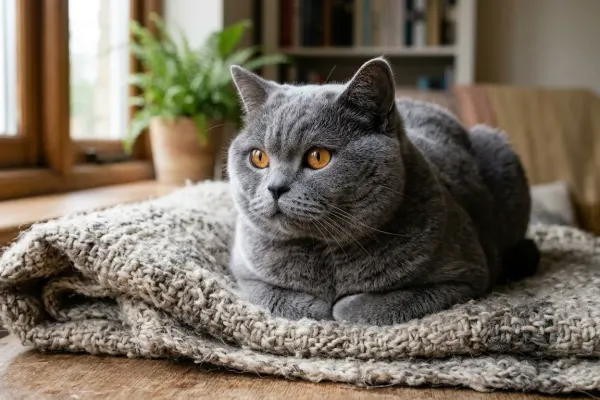
The British Shorthair cat breed is known for its sturdy, compact "cobby" body, round teddy-bear facial features, dense plush coat, and easygoing, affectionate demeanor. Originally tracing back to Roman-era working cats in Great Britain, these quiet, loyal felines make ideal indoor companions for families and apartment dwellers.
September 12, 2026
By ShowDogsWest Editor
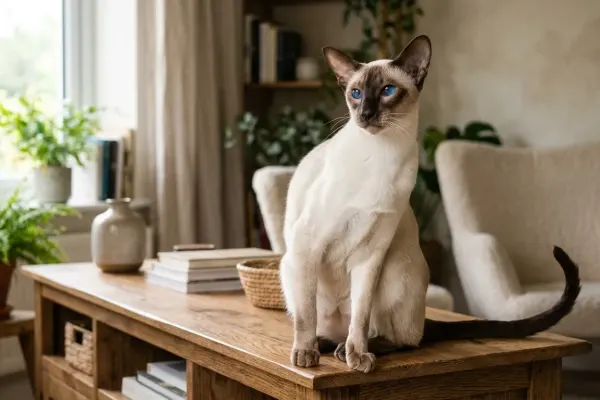
The Siamese cat is a distinct, recognized pedigreed breed originating from Thailand, defined by vivid blue almond eyes, dark colorpoint markings on the extremities, and a sleek, muscular body. Renowned for their vocal communication, problem-solving intelligence, and strong attachment to human companions, Siamese cats require daily mental enrichment, interactive play, and dedicated social contact. While their fine, single coat needs only light weekly grooming, their energetic and social temperament makes them ideal for engaged households rather than families looking for an independent, solitary feline.
September 11, 2026
By ShowDogsWest Editor
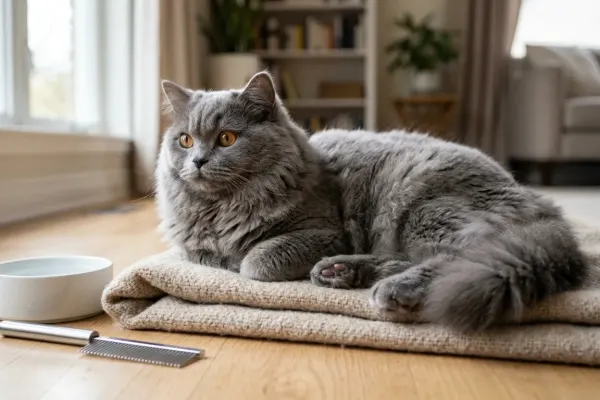
The British Longhair cat breed is a medium-to-large, compact feline known for a rounded head, full cheeks, and a dense semi-long double coat. Renowned for a calm and quietly affectionate temperament, they prefer resting beside their humans over being carried. They require regular combing to prevent mats, controlled nutrition to prevent obesity, and genetic screening for PKD1 and HCM.
September 11, 2026
By ShowDogsWest Editor