
Table of Contents
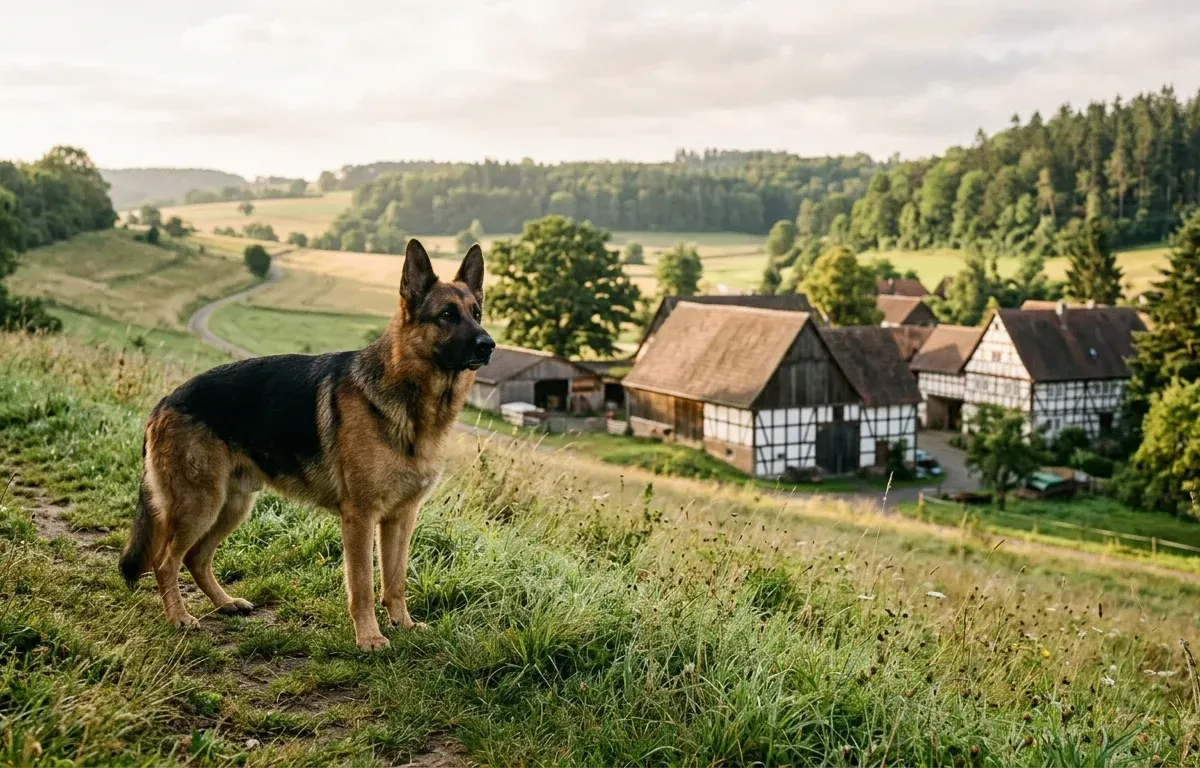
Are German Shepherds from Germany? Yes, German Shepherd Dogs originated entirely in Germany. The modern breed was established in 1899 by Captain Max von Stephanitz, who standardized native regional German sheepdogs into a versatile, intelligent working canine.
- German Shepherds trace their ancestry to native pastoral sheepdogs across southern and central Germany.
- Max von Stephanitz founded the breed registry Verein für Deutsche Schäferhunde (SV) in Karlsruhe in 1899.
- The breed was first recognized by the American Kennel Club in 1908.
- Originally bred for livestock herding and guarding, their roles expanded into military, police, and service work.
- Importing authentic German working dogs requires SV registration, health clearances, and compliance with CDC import guidelines.
Are German Shepherds From Germany?
German Shepherd Dogs come directly from Germany, where the breed was systematically developed at the end of the nineteenth century. Before formal breed registries existed, rural communities across Germany used various localized landrace sheepdogs to manage livestock. These regional dogs varied in appearance, coat texture, and ear carriage, but they shared strong instincts for herding, agility, and protective endurance. While modern companion dog owners often prioritize companion traits and evaluate whether pugs are friendly dogs, early German breeders focused entirely on utility, stamina, and working drive.
In April 1899, former German cavalry officer Captain Max von Stephanitz attended a dog show in Karlsruhe in western Germany. There he observed a working dog named Hektor Linksrhein, which possessed the balanced structure, stamina, and focused temperament he believed represented the ideal working canine. Von Stephanitz purchased the dog, renamed him Horand von Grafrath, and established the Verein für Deutsche Schäferhunde (SV), registering Horand as the first official German Shepherd Dog under pedigree number SZ 1. According to the AKC German Shepherd breed history, von Stephanitz and his colleagues used Horand and dogs from neighboring regions to establish a unified standard centered on functional utility. The creation of the German Shepherd was not accidental but an intentional, disciplined breeding program designed to standardize diverse regional working dogs into a single capable utility breed.
What Were German Shepherds Originally Bred For?
German Shepherds were originally bred to herd, protect, and manage large flocks of sheep across rural farmland. In nineteenth-century Germany, shepherds required versatile working dogs capable of moving quickly along the edges of open pastures without fences, keeping sheep contained, and preventing livestock from wandering into cultivated crop fields. The dogs also needed the courage and strength to defend the flock against predatory threats.
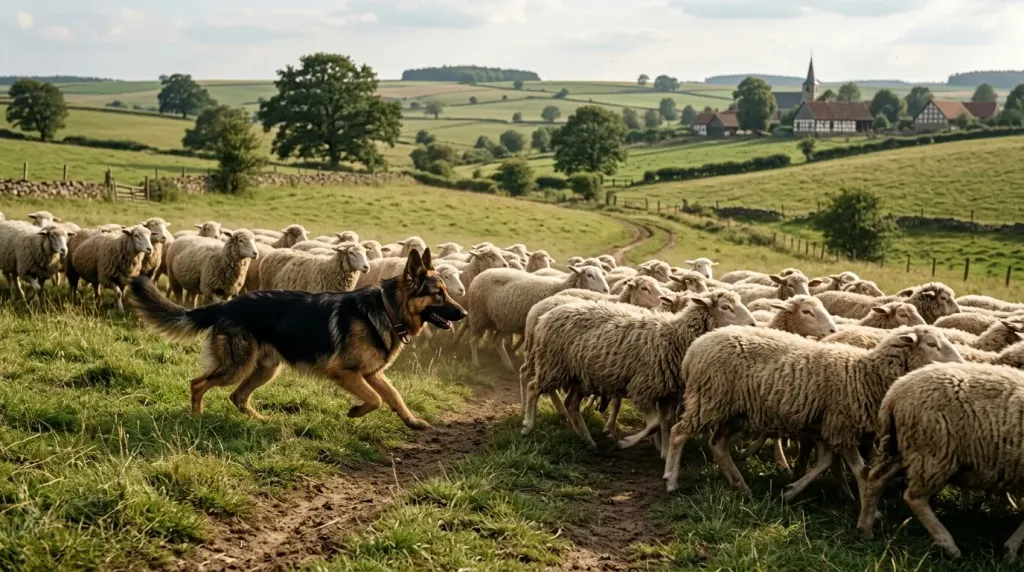
As industrialization reduced pastoral land and sheep farming declined throughout Europe, the breed’s role evolved. Breeders recognized that the high intelligence, trainability, and loyalty prized in the pasture transferred seamlessly into structured service roles. German Shepherds were adapted for police patrols, tracking, border security, sentry duties, and wartime messenger work.
While compact companion breeds were developed primarily for indoor leisure and comfort, German Shepherds were engineered for strenuous outdoor tasks. Unlike smaller companion dogs where owners might ask if pugs make good guard dogs or whether pugs are aggressive dogs, the German Shepherd possesses natural territorial vigilance, high drive, and protective strength that require early socialization and structured mental engagement.
The table below contrasts the historic working profile of the German Shepherd with typical modern companion profiles:
| Trait | German Shepherd (Working Line) | Traditional Companion Breeds |
|---|---|---|
| Primary Historical Purpose | Pastoral herding and flock boundary patrol | Lap companionship and indoor companionship |
| Energy and Drive Levels | High stamina requiring daily vigorous exercise | Moderate to low activity with brief walks |
| Guarding Instinct | High natural vigilance and territorial awareness | Low protective drive with social friendliness |
| Trainability and Focus | Rapid command retention and task-oriented drive | Moderate trainability suited for basic routines |
Note: High-drive working dogs require purposeful mental stimulation and daily physical outlets to prevent frustration or destructive household habits.
When Did German Shepherds Come to America?
The German Shepherd Dog arrived in the United States in the early 1900s, with the earliest known imports recorded around 1906 and 1907. The American Kennel Club officially recognized the breed in 1908 in the Miscellaneous class before establishing its dedicated Herding group designation.
American interest in the breed accelerated dramatically following World War I. Allied soldiers returning from Europe brought firsthand accounts of the remarkable bravery, intelligence, and messaging capabilities displayed by German war dogs. The breed achieved international celebrity status during the 1920s through silent film stars such as Strongheart and Rin Tin Tin, transforming the working shepherd into one of the most sought-after family dogs in North America.
This cultural surge mirrored other historic breed popularity shifts, much like modern trends examining why French Bulldogs are so popular. However, while modern companion dogs like smart French Bulldogs thrive in urban households, the large size and high exercise demands of the German Shepherd make daily physical routines essential.
How to Import German Shepherds From Germany
Prospective owners seeking authentic German bloodlines often choose to import puppies or trained adult dogs directly from German breeders registered with the SV. German breeding standards enforce strict working titles (IGP/Schutzhund), endurance tests, and radiographic evaluations for hip and elbow health before dogs receive breeding clearance.
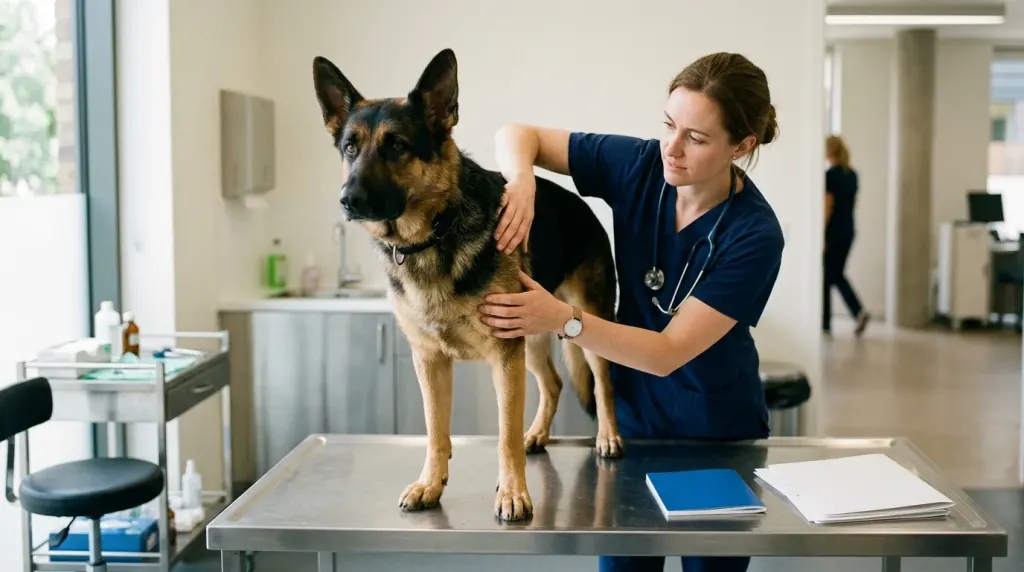
When planning an international import, several key steps and legal requirements must be met:
- Verify SV Pedigree and Health Clearances: Confirm that the dog and its parents hold official SV registration certificates with certified hip and elbow dysplasia scores, commonly indicated by the SV “a” stamp notation.
- Select Between Working Lines and Show Lines: German working lines (Leistungslinie) prioritize drive, bone density, and working drive, whereas German show lines (Hochzucht) focus on breed conformation standards, rich pigment, and sloped top lines.
- Comply With United States Import Regulations: The Centers for Disease Control and Prevention (CDC) enforce specific entry rules for dogs entering the United States, including a valid microchip, completion of the online CDC Dog Import Form, and mandatory minimum age and rabies certification requirements.
- Arrange Safe International Air Transport: Transport must adhere to International Air Transport Association (IATA) Live Animals Regulations, utilizing an airline-approved rigid crate with adequate ventilation, secure food and water dishes, and direct flight routing where possible.
Importing a high-drive working puppy requires substantial commitment compared to acquiring low-maintenance companion pets like active pug dogs or therapy pugs.
Where Do German Shepherds Live and Work Today?
Today, German Shepherds reside across the globe, serving in more diverse capacities than almost any other canine breed. They remain the premier choice for law enforcement K-9 units, military working dog programs, search and rescue squads, and specialized scent detection teams worldwide.
In addition to professional utility roles, millions of German Shepherds live as dedicated family companions across suburban and rural households. While compact pets like apartment-friendly pugs or family-friendly pugs thrive in smaller living quarters with minimal daily mileage, German Shepherds require dedicated space, secure yard boundaries, and consistent lifestyle routines to stay balanced and fulfilled.
Frequently Asked Questions About German Shepherd Origins
What was the name of the first registered German Shepherd?
The first registered German Shepherd Dog was Horand von Grafrath, originally named Hektor Linksrhein. He was purchased by Captain Max von Stephanitz in April 1899 and assigned pedigree number SZ 1 in the newly established SV breed registry.
Why was the German Shepherd called the Alsatian?
During and after World War I, anti-German sentiment prompted kennel clubs in the United Kingdom and parts of the Commonwealth to rename the breed the Alsatian Wolf Dog, referencing the German-French border region of Alsace-Lorraine. The American Kennel Club briefly dropped the word “German” in 1917, referring to them simply as Shepherd Dogs, before restoring the full official name in 1930. The UK Kennel Club officially reverted to the name German Shepherd Dog in 1977.
Are German Shepherds from Germany different from American lines?
Yes, German lines and American lines have diverged in physical conformation and temperament over decades of selective breeding. German show lines and working lines must pass rigorous working and health qualifications under SV standards, resulting in straighter backs, denser bone structure, and higher drive. American show lines are often bred with a more pronounced rear angulation and a calmer disposition suited for the American show ring.
Can German Shepherds live in warm climates?
German Shepherds have a double coat that insulates them against both cold winter weather and summer heat. While they can live comfortably in warm climates, owners must provide ample shade, fresh water, air-conditioned indoor rest areas, and avoid exercising them during the hottest hours of the day.

Leave a Reply