When prospective pet owners ask, "are pugs friendly dogs?", the answer is a clear yes. Pugs are exceptionally friendly, gentle, and affectionate companion dogs. Developed over centuries specifically for human companionship, they form deep bonds with families, show minimal aggression toward strangers, and get along naturally with children and other pets when provided with basic socialization.
August 27, 2026
By Dr. Jenny Max, DVM
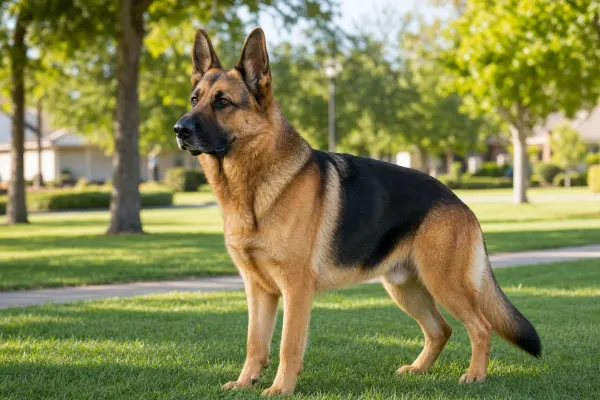
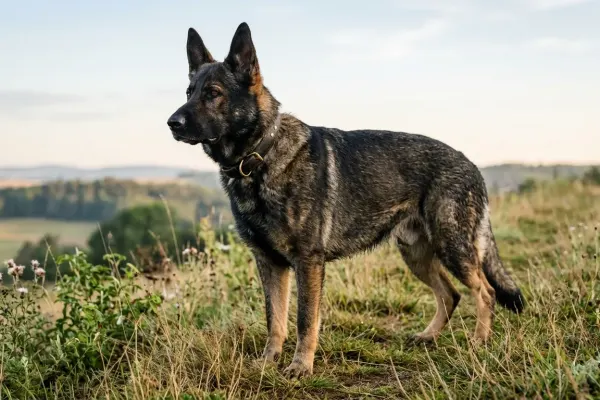
The German Shepherd dog breed is a versatile working and herding canine established in Germany in 1899 by Captain Max von Stephanitz. Recognized in the AKC Herding Group, adult males stand 24 to 26 inches tall weighing 65 to 90 pounds, while females reach 22 to 24 inches weighing 50 to 70 pounds. Known for high intelligence, steadfast loyalty, and protective instincts, the breed has an expected lifespan of 8 to 12 years, with individual longevity depending on genetics and healthcare. They require extensive daily physical exercise and active mental stimulation to thrive.
August 27, 2026
By Dr. Jenny Max, DVM
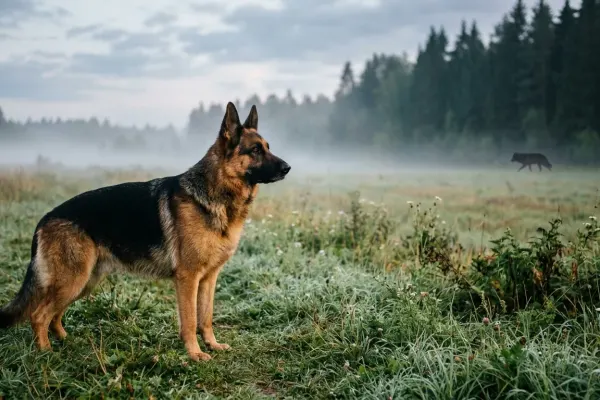
Are German Shepherds related to wolves? Yes, in evolutionary terms: all domestic dogs (Canis lupus familiaris) descend from an extinct Late Pleistocene wolf ancestor that lived tens of thousands of years ago. However, German Shepherds are not part wolf or modern wolf-dog hybrids. Established in Germany in 1899 from regional working sheepdogs, the breed possesses domestic genetics, social biddability, and physiological adaptations that separate them from wild gray wolves (Canis lupus).
August 26, 2026
By Dr. Jenny Max, DVM
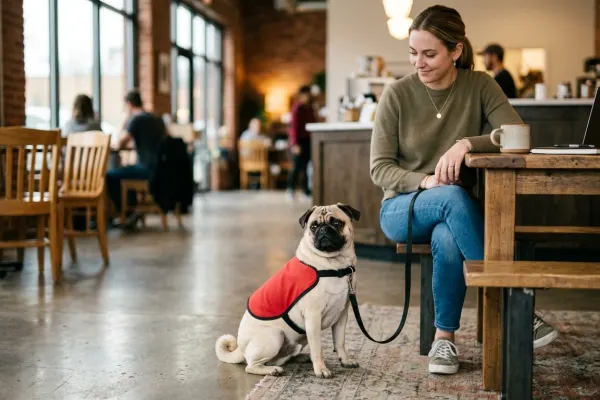
Can pugs be service dogs? Under United States federal law, yes. Title II and Title III of the Americans with Disabilities Act establish that service dog eligibility depends on individualized task training rather than breed or body weight. However, because of their small frame and brachycephalic airway anatomy, pugs cannot perform heavy physical support tasks like wheelchair pulling or balance bracing. They perform best in psychiatric assistance, medical alerting, and light sensory grounding roles.
August 24, 2026
By Dr. Jenny Max, DVM
If you are wondering how to train a pug bull dog puppy, start the day they come home, typically from about 8 weeks of age depending on individual adoption and weaning timing. Keep a predictable routine, reward the behavior you want within a second or two, and manage the environment to prevent rehearsal of mistakes. Progress from quiet rooms to mild distractions. Because "pug bull dog puppy" is an informal search phrase and not a recognized breed, you should train according to your puppy's observed needs and veterinary guidance rather than a presumed mix.
August 24, 2026
By Dr. Jenny Max, DVM
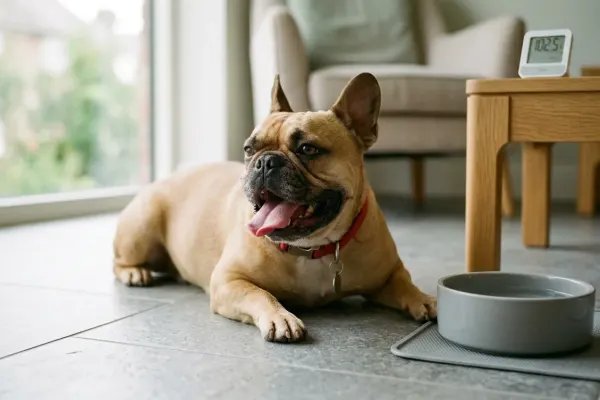
To know how to tell if a French Bulldog is overheating, watch for frantic panting with a wide, flattened tongue, thick foamy drool, deep crimson or purple gums, and restless pacing. Because their brachycephalic flat faces restrict respiratory cooling, mild heat stress can escalate to life-threatening heatstroke within 10 to 15 minutes. If rectal temperature reaches 104.0°F (40.0°C) or your dog stumbles and vomits, move indoors immediately, apply tepid water to the paws and groin with fan airflow, and transport to an emergency veterinary clinic.
August 24, 2026
By Dr. Jenny Max, DVM
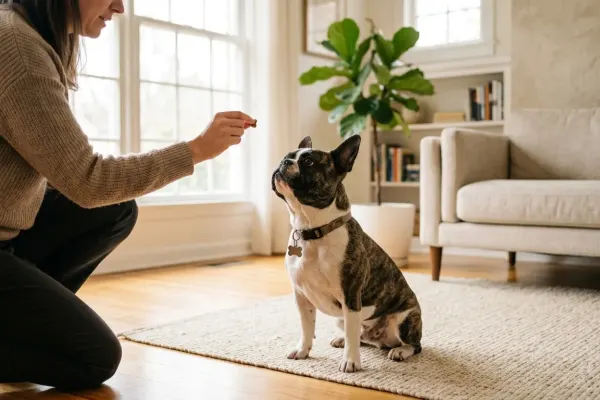
When learning how to train a French Bulldog, the most effective approach is to manage their environment, teach one clear behavior at a time, and reward correct choices immediately. Because Frenchies are a companion breed, they respond best to short, positive sessions rather than long drills or harsh corrections.
August 24, 2026
By Dr. Jenny Max, DVM
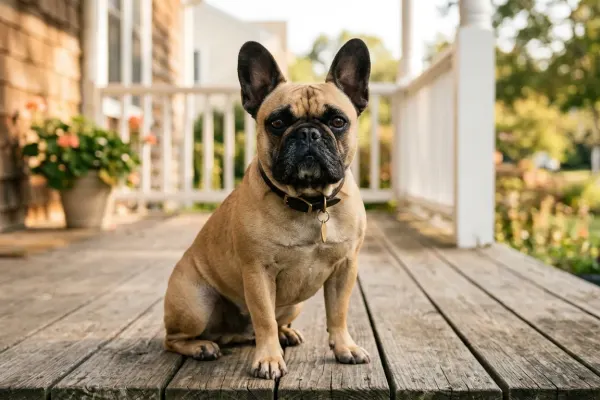
What is a French Bulldog? The French Bulldog is a small, muscular companion breed in the non-sporting group, recognized by its compact frame, flat face, distinctive upright "bat ears," and naturally short tail. Created in 19th-century France by crossing English toy Bulldogs with local Parisian ratters, Frenchies are friendly and adaptable family pets, though their brachycephalic build requires careful management of heat tolerance and respiratory health.
August 24, 2026
By Dr. Jenny Max, DVM
Can French Bulldogs eat parsnips safely? Yes, French Bulldogs can eat parsnips in moderation when cooked plain, chopped small, and unseasoned. The cooked roots are not toxic to dogs and provide dietary fiber, vitamin C, and potassium. French Bulldogs have sensitive digestion and brachycephalic anatomy, making portion control and small pieces important to prevent gas and choking.
August 24, 2026
By Dr. Jenny Max, DVM

 Dr. Jenny Max, DVM