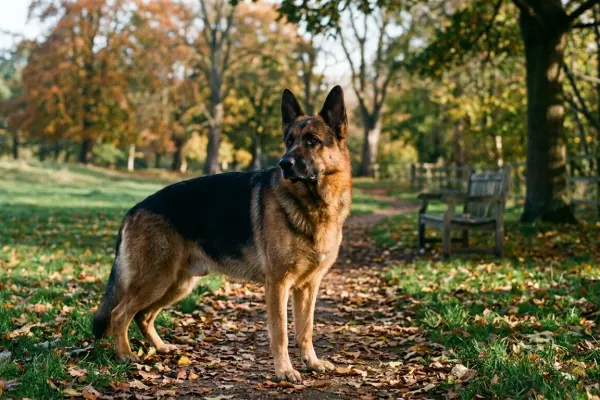
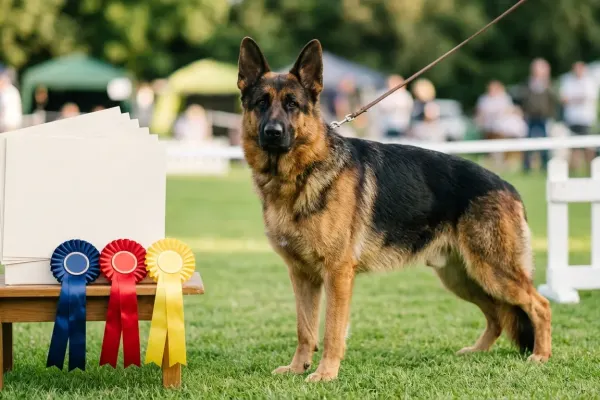
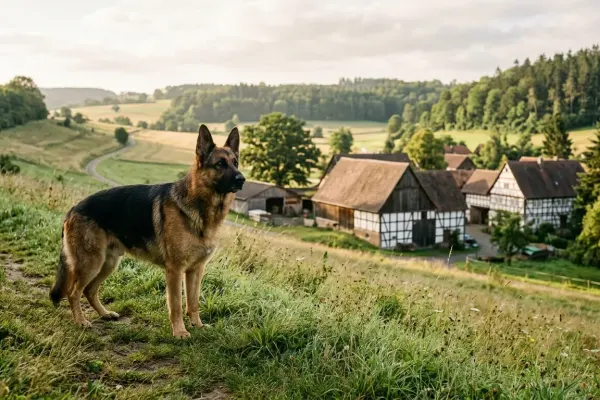
What were German Shepherds bred for? The breed was originally developed in Germany in 1899 as versatile pastoral tending dogs. Their primary job was boundary herding: patrolling unfenced grazing strips to keep sheep within designated pastures and protecting flocks from predators. Because industrialization reduced grazing land in the early twentieth century, breeders adapted the dog's intelligence, athletic endurance, and biddability toward military communication, police patrol, search and rescue, guide dog assistance, and structured family protection.
October 4, 2026
By ShowDogsWest Editor
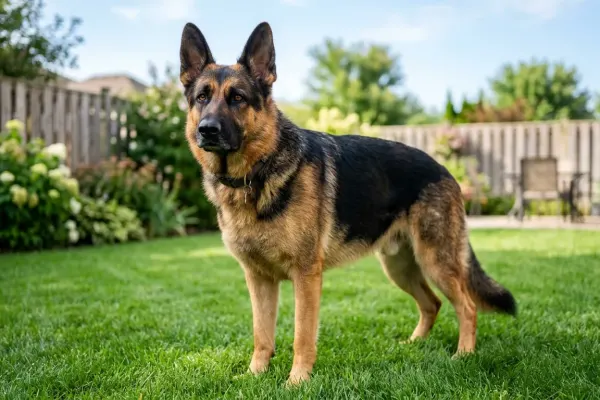
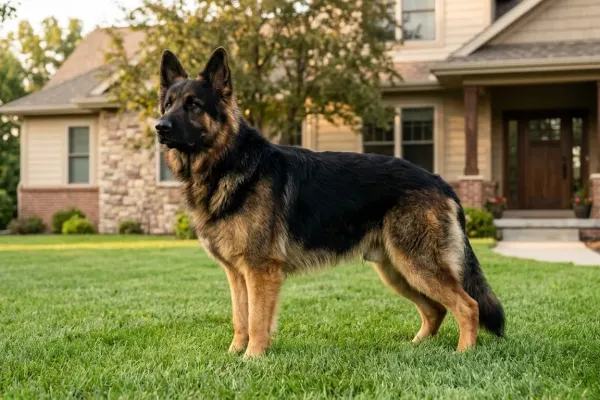
When defining what is a German Shepherd, it is best described as a large, versatile working dog breed originating in Germany in 1899, classified within the Herding Group by major kennel registries. Standing 22 to 26 inches tall at the withers and weighing between 50 and 90 pounds, the breed is recognized worldwide for exceptional intelligence, physical agility, steadfast loyalty, and protective instincts. German Shepherds thrive in active homes and working roles, requiring at least 60 to 90 minutes of daily vigorous exercise, early structured socialization, and consistent mental stimulation.
October 3, 2026
By ShowDogsWest Editor
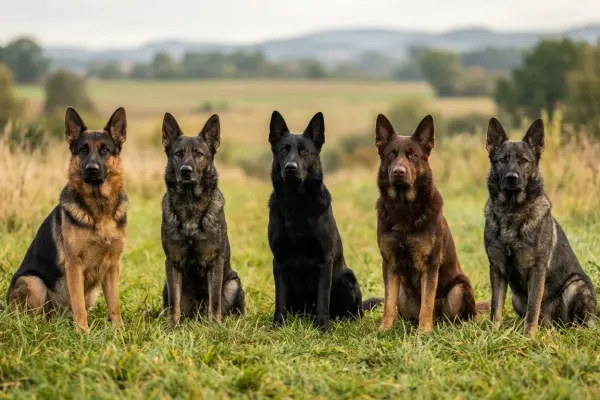
Officially, major kennel clubs recognize only one German Shepherd Dog breed, but dog trainers and breeders divide the breed into 5 distinct bloodlines. When determining how many types of German Shepherds are there, the five main categories are West German Show Lines, West German Working Lines, East German DDR Lines, Czech Working Lines, and American Show Lines. Each line features unique physical traits, coat colors, and energy levels developed for specific tasks ranging from family companionship to high-intensity police and protection service.
October 2, 2026
By ShowDogsWest Editor
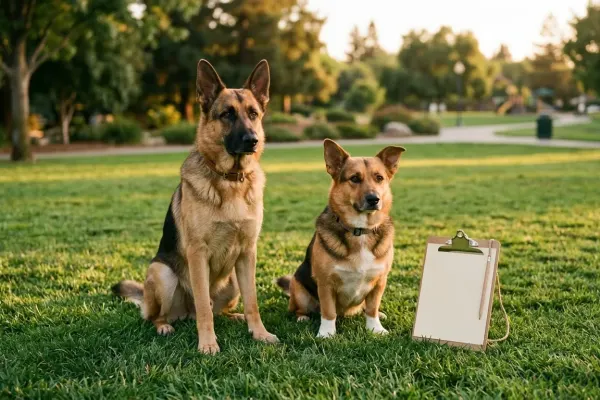
If you are asking are there Miniature German Shepherds, the official answer from major kennel registries is no. Neither the American Kennel Club (AKC) nor international registries recognize a purebred "Miniature German Shepherd." Dogs marketed under this name are either intentional crossbreeds (such as a German Shepherd crossed with a Corgi, Border Collie, or Poodle) or standard purebred German Shepherds suffering from pituitary dwarfism, an inherited genetic disorder caused by an LHX3 gene mutation. Standard German Shepherds naturally stand 22 to 26 inches tall and weigh 50 to 90 pounds.
October 1, 2026
By ShowDogsWest Editor
A "King German Shepherd", properly known as the King Shepherd, is a giant hybrid dog breed developed in the United States during the 1990s by crossing German Shepherds with Alaskan Malamutes, Great Pyrenees, and Shiloh Shepherds. Standing 27 to 32 inches tall and weighing up to 150 pounds, the King Shepherd is significantly larger, heavier-boned, and calmer than a standard purebred German Shepherd, though it is not recognized as a separate breed by the American Kennel Club.
September 23, 2026
By ShowDogsWest Editor
Knowing how to tell if a German Shepherd is purebred involves evaluating four core pillars: physical breed standards, behavioral traits, certified pedigree paperwork, and canine DNA testing. A purebred German Shepherd exhibits erect pointed ears, dark almond-shaped eyes, a dense weather-resistant double coat, a bushy low-set tail, and a length-to-height body ratio of 10 to 8.5. While visual characteristics confirm breed conformity in mature dogs, definitive verification requires registration certificates from recognized kennel clubs like the AKC or SV, or an accredited genetic test panel.
September 21, 2026
By ShowDogsWest Editor
The German Shepherd is a medium-to-large purebred herding dog (Canis lupus familiaris) that originated in Germany in 1899. When asking what breed is a German Shepherd and which category it belongs to, official kennel registries place it in the Herding Group (American Kennel Club, United Kennel Club) or Pastoral Group (The Kennel Club in the United Kingdom). Developed by Captain Max von Stephanitz from traditional continental sheepdogs, the breed combines high intelligence, protective instincts, and athletic endurance.
September 16, 2026
By ShowDogsWest Editor
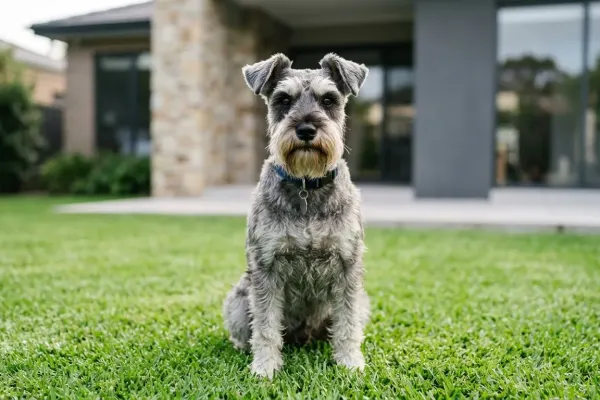
The Miniature Schnauzer is a small, squarely built German dog breed developed during the late nineteenth century. Standing 12 to 14 inches (30 to 35 cm) tall at the withers and weighing 11 to 20 pounds (5 to 9 kg), the breed features a harsh, wiry double coat and iconic facial furnishings. Classified in the Terrier Group by the American Kennel Club and the Utility Group in the United Kingdom, it is an alert, highly trainable companion that produces minimal shedding but requires routine professional grooming as the coat grows, daily mental enrichment, and proactive screening for metabolic and ocular health conditions.
September 13, 2026
By ShowDogsWest Editor
Are German Shepherds from Germany? Yes, German Shepherd Dogs originated entirely in Germany. The modern breed was established in 1899 by Captain Max von Stephanitz, who standardized native regional German sheepdogs into a versatile, intelligent working canine.
September 12, 2026
By ShowDogsWest Editor
If you are looking for a dog that looks like a pug, the Petit Brabançon (the smooth-coated variety of the Brussels Griffon) is the closest visual twin. It shares the Pug's compressed muzzle, dark facial mask, folded ears, and compact frame in a smaller 8 to 12 pound body. Other purebred dogs with flat facial features include the French Bulldog, Boston Terrier, Pekingese, Japanese Chin, Shih Tzu, and English Bulldog. Genetically, DNA sequencing proves that the Pug's closest biological sister breeds are the Pekingese and Shih Tzu from the ancient Asian toy dog clade, while similarities to European bull breeds arose through independent selective breeding.
September 8, 2026
By ShowDogsWest Editor