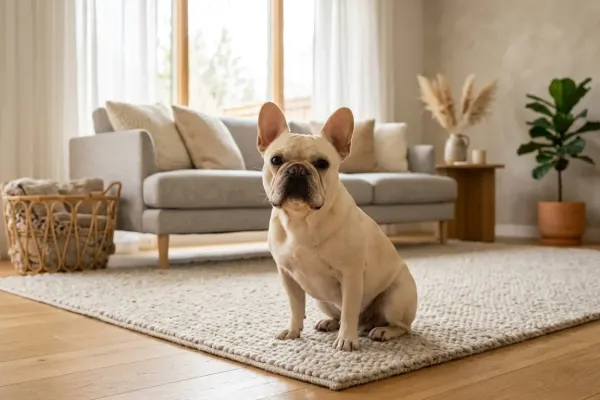
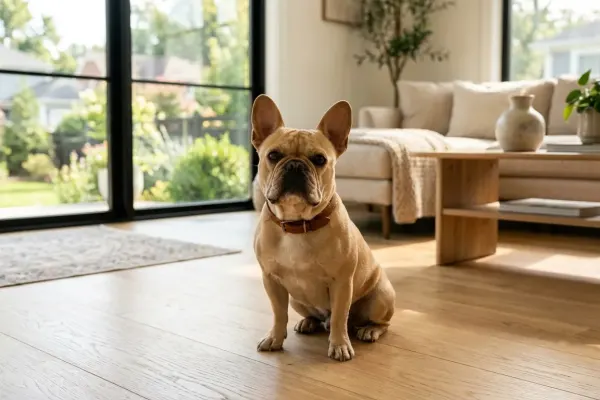
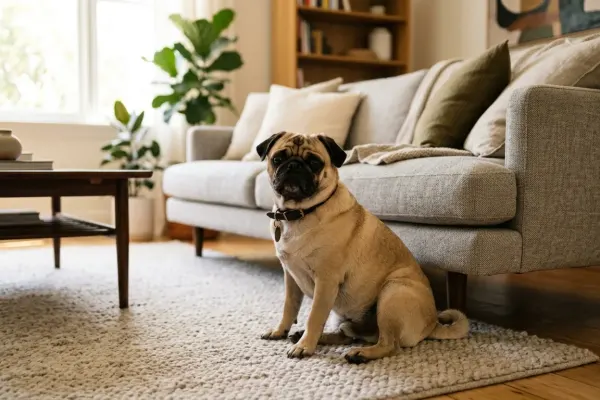
Many prospective and current dog owners ask, do French Bulldogs bark a lot? French Bulldogs are widely recognized as relatively low-barking companion dogs that rarely engage in prolonged, unprovoked nuisance barking. However, whether an individual Frenchie barks frequently depends heavily on its early socialization, household routine, environmental triggers, and overall physical health. While they may not vocalize as intensely as high-alert guardian or herding breeds, they will bark when excited, startled, seeking attention, or experiencing distress. Understanding normal vocal habits, distinguishing barks from brachycephalic breathing sounds, and applying reward-based management helps maintain a quiet, well-adjusted household.
August 18, 2026
By ShowDogsWest Editor
Do pug dogs pee when they are excited? Yes, pug puppies frequently leak urine when highly stimulated. Excitement urination is an involuntary physiological reflex where a sudden surge of adrenaline temporarily relaxes immature urethral sphincter muscles. It is not behavioral defiance or a house-training failure. Most young pugs outgrow this reflex as their neuromuscular bladder control matures, provided owners implement low-arousal greeting routines and avoid scolding.
August 17, 2026
By ShowDogsWest Editor
When owners ask why does my pug dog dig in the blanket?, the answer lies in ancestral denning instincts, thermal regulation, scent marking with paw pheromones, and the comforting swaddle-like pressure blankets provide. However, because pugs are a brachycephalic breed with shortened airways, owners must supervise blanket burrowing to prevent respiratory distress or overheating.
August 17, 2026
By ShowDogsWest Editor
When evaluating the question are French Bulldogs aggressive, population-level veterinary surveillance shows that French Bulldogs are not an inherently aggressive breed. A comprehensive epidemiological study from the Royal Veterinary College (VetCompass) established that French Bulldogs have significantly lower odds of aggression compared to the general companion dog population, with an adjusted odds ratio of 0.64 (95% CI: 0.44 to 0.93, p=0.021). When individual French Bulldogs display growling, snapping, or biting, the behavior is typically triggered by acute physical pain, respiratory distress, fear from inadequate early socialization, or resource guarding rather than malicious temperament.
August 17, 2026
By ShowDogsWest Editor
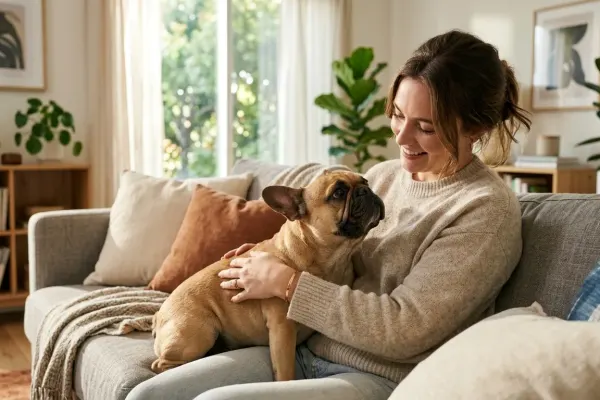
The main reason why are French Bulldogs so clingy is that they were selectively bred for centuries exclusively as human companion lap dogs. Their attachment is reinforced by mutual oxytocin hormone surges during physical contact and their dependence on owners for thermal and physical comfort. While regular shadowing is normal, sudden spikes in clinginess often indicate physical pain, sensory loss, or separation anxiety.
August 17, 2026
By ShowDogsWest Editor
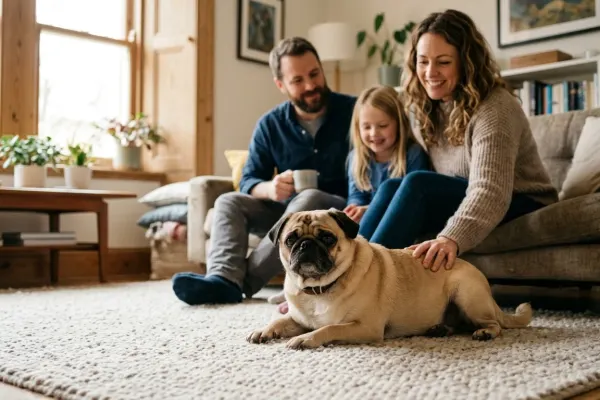
So, are pugs good apartment dogs? The short answer is yes. Pugs make excellent apartment dogs because of their compact size, quiet indoor demeanor, and modest daily exercise needs. However, their brachycephalic facial structure makes them sensitive to warm temperatures, meaning indoor climate control, strict weight management, and consistent shedding care are essential for their health in compact living spaces.
August 17, 2026
By ShowDogsWest Editor
When asking are pugs smart dogs, canine behavioral research shows they possess solid adaptive and social intelligence, even though standardized obedience rankings place them in the fair working category. On Stanley Coren's widely cited canine intelligence scale, pugs rank 57th out of 79 rank groups. This means they learn routines and human emotional cues quickly, but they require patience and positive rewards for formal obedience commands.
August 17, 2026
By ShowDogsWest Editor
Pugs can make wonderful therapy dogs when they possess the right individual temperament, sound basic obedience, and good respiratory health. Their gentle nature, compact size, and natural love for human companionship make them excellent visitors in calm settings such as nursing homes, libraries, and assisted living centers. However, their brachycephalic airway structure requires handlers to manage temperature, visit length, and physical exertion carefully.
August 17, 2026
By ShowDogsWest Editor
Are pugs aggressive dogs? No, Pugs are not aggressive dogs. Bred for centuries exclusively as companion animals, Pugs consistently rank among the least aggressive canine breeds in veterinary behavioral assessments. While individual Pugs can display defensive snapping or growling when experiencing pain, severe fear, or resource guarding, the breed lacks predatory drive, attack instincts, or dangerous bite capacity.
August 17, 2026
By ShowDogsWest Editor
When asking are pugs active dogs, the short answer is that pugs are low-to-moderate energy companion dogs rather than high-stamina working animals. An adult pug thrives on 20 to 30 minutes of light daily exercise divided into two gentle walks, paired with short interactive play sessions indoors. Their compact build and flat facial structure naturally limit endurance, making them calm household pets that spend 12 to 14 hours a day resting.
August 17, 2026
By ShowDogsWest Editor