
Table of Contents
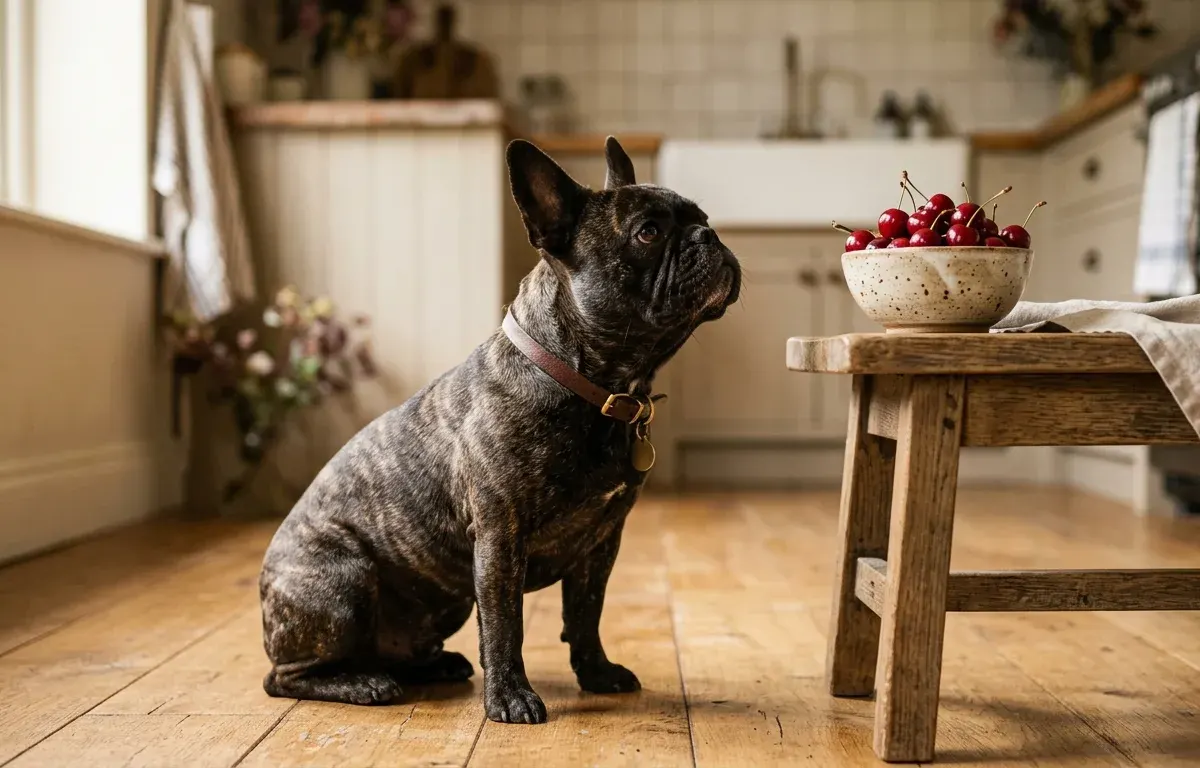
When pet owners ask can French Bulldogs eat cherries, the clear answer is no. While the unseeded flesh of a cherry is not inherently toxic in tiny amounts, cherry pits, stems, and leaves contain cyanogenic glycosides that release toxic hydrogen cyanide when chewed. Additionally, French Bulldogs face elevated choking and intestinal blockage risks due to their small physical size and brachycephalic anatomy.
- Cherry pits, stems, and leaves contain amygdalin, which breaks down into toxic hydrogen cyanide when chewed.
- French Bulldogs have narrow airways and compact digestive tracts, making cherry pits a serious choking and obstruction hazard.
- Symptoms of cyanide poisoning include cherry-red gums, dilated pupils, and labored breathing within 15 to 30 minutes of ingestion.
- If a French Bulldog ingests cherry pits, contact a veterinarian or Pet Poison Helpline immediately without inducing vomiting.
Are cherries toxic to French Bulldogs?
The short answer is that whole cherries are dangerous for French Bulldogs. However, toxicity depends on which part of the fruit the dog consumes. The ripe flesh of a cherry does not contain toxic compounds and offers small amounts of vitamin A, vitamin C, and dietary fiber. Despite these nutrients, veterinary authorities advise against feeding cherries to dogs.
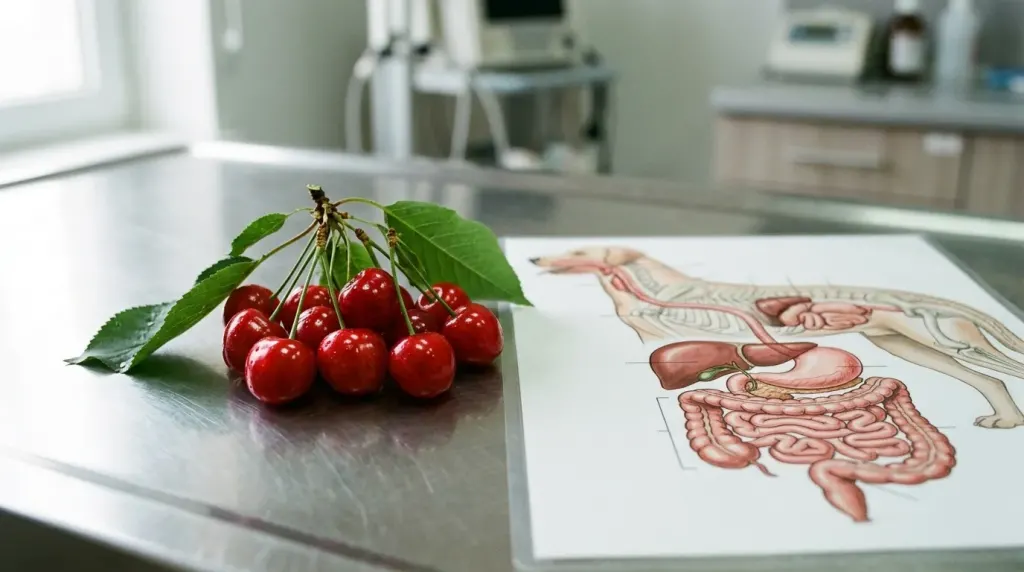
According to ASPCA Poison Control, the entire cherry plant (including the pits, stems, and leaves) is toxic to dogs, cats, and horses. The primary hazard stems from cyanogenic glycosides concentrated inside the pit and vegetative tissues. When a dog bites into a cherry pit, mechanical crushing breaks the plant cell walls and exposes these compounds to natural enzymes, generating hydrogen cyanide gas.
While feeding low-calorie vegetable snacks like celery for French Bulldogs provides safe crunch without toxic seeds, cherries carry too many built-in hazards to serve as a routine treat.
Why do cherry pits, stems, and leaves contain cyanide?
The toxicity of cherry pits originates from a natural defensive compound called amygdalin, a type of cyanogenic glycoside found in plants of the Prunus genus. When intact, amygdalin remains inert inside the pit tissue. However, when a dog chews and crushes the pit shell, cellular enzymes called beta-glucosidases hydrolyze amygdalin, converting it into prunasin and ultimately releasing free hydrogen cyanide (HCN).
Hydrogen cyanide acts as a rapid cellular toxin. Once absorbed into the bloodstream, cyanide ions bind strongly to the iron atom in cytochrome c oxidase, a critical enzyme located inside mitochondria. This binding halts the electron transport chain, preventing cells from using oxygen to produce adenosine triphosphate (ATP). Even though blood carrying oxygen continues to flow through the body, tissues suffer from cellular asphyxiation.
How much cyanide would actually be dangerous?
The exact threshold for cyanide toxicity depends heavily on the dog’s body weight and whether the pit shell was crushed or swallowed whole. According to veterinary guidelines cited by the American Kennel Club, a small dog weighing under 20 pounds can show clinical signs of poisoning after thoroughly chewing just a few cherry pits. Reviewing an adult weight chart for French Bulldogs helps owners understand why their compact 16 to 28-pound Frenchie reaches dangerous toxicity thresholds far faster than larger breeds.
In contrast, if a Frenchie swallows a single smooth, unbroken cherry pit, the hard outer shell usually passes through the stomach without releasing lethal amounts of cyanide. The gastrointestinal tract cannot digest the fibrous pit wall, so the chemical payload remains locked inside. However, swallowed whole pits present a different mechanical hazard.
Why the choking and blockage risk matters more for French Bulldogs
Beyond chemical toxicity, cherry pits pose severe physical risks to French Bulldogs. Because Frenchies are a brachycephalic (flat-faced) breed, their anatomical structure makes swallowing hard, round objects particularly dangerous.
French Bulldogs possess narrow nostrils (stenotic nares), an elongated soft palate, and a reduced tracheal diameter. These features contribute to breathing problems in French Bulldogs, meaning an inhaled cherry pit can easily lodge in the pharynx or larynx and obstruct airway passages. Furthermore, Frenchies have a compact gastrointestinal tract with a small pyloric opening leading from the stomach into the duodenum.
A cherry pit that moves past the esophagus can get trapped in the pylorus or small intestine, causing a physical bowel obstruction. Similar to the dangers posed by corn cob choking hazards for Frenchies, a rigid pit cannot be digested and may require emergency surgical extraction if it fails to pass naturally. Cyanide exposure is a chemical emergency, while intestinal impaction is a mechanical emergency. French Bulldogs are disproportionately susceptible to both threats because of their brachycephalic airway anatomy and small intestinal lumen.
How many cherries, if any, can a French Bulldog safely eat?
Strictly speaking, a French Bulldog should eat zero whole cherries. If an owner chooses to feed cherry flesh, the portion must be prepared with extreme caution. The pit, stem, and leaves must be completely removed, and the flesh should be washed to strip away pesticide residue.
For a French Bulldog weighing between 16 and 28 pounds, an appropriate serving size of plain cherry flesh is no more than one or two small pieces on rare occasions. Pet nutritionists recommend that all treats remain under 10% of a dog’s daily caloric intake to prevent excessive weight gain and digestive upset.
Excessive cherry flesh can cause gastrointestinal upset due to its natural sugar content. Owners comparing fruit snacks to options like banana portion limits for French Bulldogs should remember that high-sugar fruits can trigger soft stools and abdominal discomfort if served in large amounts.
What about maraschino or dried cherries?
Maraschino cherries and commercially dried cherries should never be given to French Bulldogs. Maraschino cherries undergo heavy processing, bleaching, and soaking in high-fructose corn syrup and artificial dyes. This concentrated sugar content increases the risk of acute pancreatitis, obesity, and dental decay.
Furthermore, sugar-free maraschino products may contain artificial sweeteners such as xylitol, which triggers rapid insulin release and acute liver failure in dogs. Dried cherries concentrate both natural sugars and chemical preservatives like sulfur dioxide, which can cause severe stomach irritation. Comparing processed fruits to high-fat treats like safe cheese options for French Bulldogs demonstrates that processed human foods frequently harbor hidden additives that harm canine digestion.
What are the symptoms of cherry poisoning or blockage in dogs?
Recognizing clinical signs quickly is essential if a French Bulldog accesses fresh cherries. Because cherries present two distinct hazards (cyanide toxicity and intestinal blockage), symptoms fall into two separate categories with different onset timelines.
Cyanide toxicity develops rapidly, typically within 15 to 30 minutes after a dog chews cherry pits. In contrast, an intestinal blockage from a swallowed pit may take 24 to 72 hours to manifest.
Symptoms of Cyanide Poisoning:
- Bright red (“cherry-red”) mucous membranes in the gums and tongue
- Dilated pupils (mydriasis)
- Rapid, labored breathing (hyperpnea) followed by severe respiratory distress
- Excessive drooling and retching
- Tremors, muscle spasms, and sudden collapse
- Convulsions or seizures
Symptoms of Intestinal Obstruction:
- Persistent vomiting or dry heaving
- Total loss of appetite (anorexia)
- Abdominal tenderness, whining, or hunched posture
- Lethargy and weakness
- Inability to pass stool or severe straining
What to do if your French Bulldog eats cherries or a cherry pit
If a French Bulldog eats cherries, prompt emergency action is required. Following a clear step-by-step protocol minimizes potential harm.
- Remove remaining cherries immediately: Clear away any spilled cherries, pits, or stems so the dog cannot consume more.
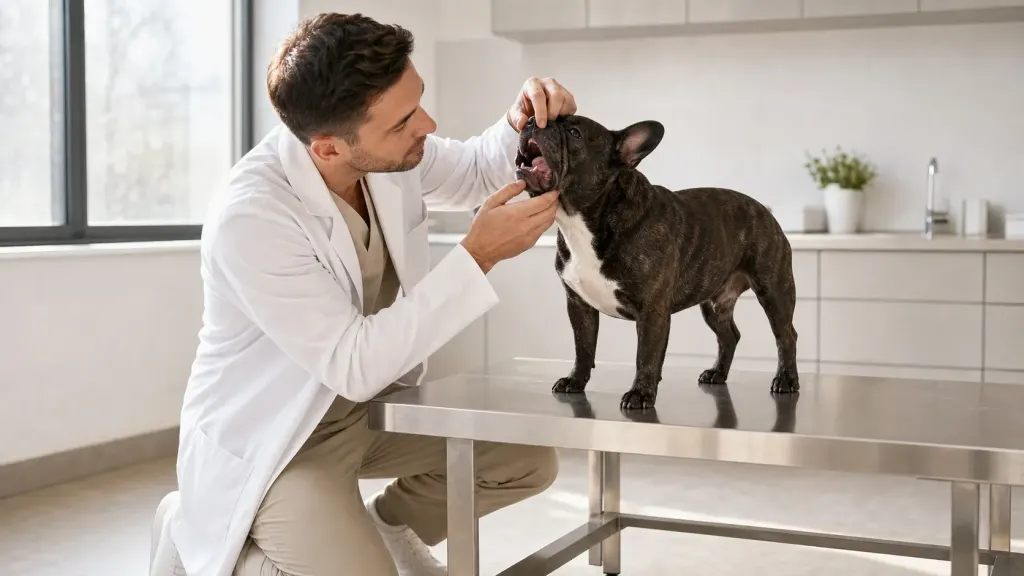
- Inspect the dog’s mouth: Safely open the dog’s mouth and check for lingering pits or stems stuck near the tongue or teeth.
- Determine the amount and pit condition: Try to ascertain how many cherries were eaten and whether the pits were chewed or swallowed whole.
- Do NOT induce vomiting without veterinary instruction: Inducing vomiting in a brachycephalic breed like a French Bulldog carries a high risk of aspiration pneumonia because of their compromised airways.
- Contact emergency services: Call your local veterinarian, an emergency animal clinic, or the Pet Poison Helpline (855-764-7661) or ASPCA Animal Poison Control (888-426-4435) for immediate guidance.
Note: Timely intervention within the first 30 minutes of pit ingestion provides the best opportunity for a veterinarian to safely manage cyanide risk or monitor for physical obstruction.
Safer fruit alternatives for French Bulldogs
Dog owners who want to feed fruit treats can choose from several safe, low-risk alternatives that do not carry cyanide pits or high choking hazards.
- Blueberries: Rich in antioxidants, vitamin C, and fiber, blueberries are small enough to prevent choking. Reviewing safe blueberry amounts for French Bulldogs shows they make an ideal training reward.
- Apples: Sliced apples offer a satisfying crunch and beneficial vitamins. Following instructions on preparing apples safely for French Bulldogs ensures stems and seeds are completely removed before serving.
- Watermelon: Seedless watermelon consists of over 90% water, providing hydration and essential vitamins during warm weather.
- Cantaloupe: Sliced cantaloupe offers beta-carotene and dietary fiber, provided rind and seeds are removed.
Frequently asked questions about French Bulldogs eating cherries
Can French Bulldogs eat cherries without pits?
Yes, French Bulldogs can technically eat the flesh of pitted cherries in extremely small quantities. However, because cherry flesh is high in natural sugars and offers no unique nutrients that cannot be found in safer fruits, most veterinarians advise choosing blueberries or apples instead.
Is one cherry dangerous for a small dog like a French Bulldog?
A single cherry flesh piece is not dangerous. Swallowing a single whole pit is unlikely to cause fatal cyanide poisoning, but it still poses a choking hazard or small intestine obstruction risk for a compact breed like a French Bulldog.
Are cherry pits worse for French Bulldogs than for other breeds?
Yes. French Bulldogs have narrower airways, elongated soft palates, and smaller digestive tracts compared to larger, longer-muzzled dog breeds. This anatomical structure makes them significantly more vulnerable to choking and mechanical bowel blockages.



Leave a Reply