
Table of Contents
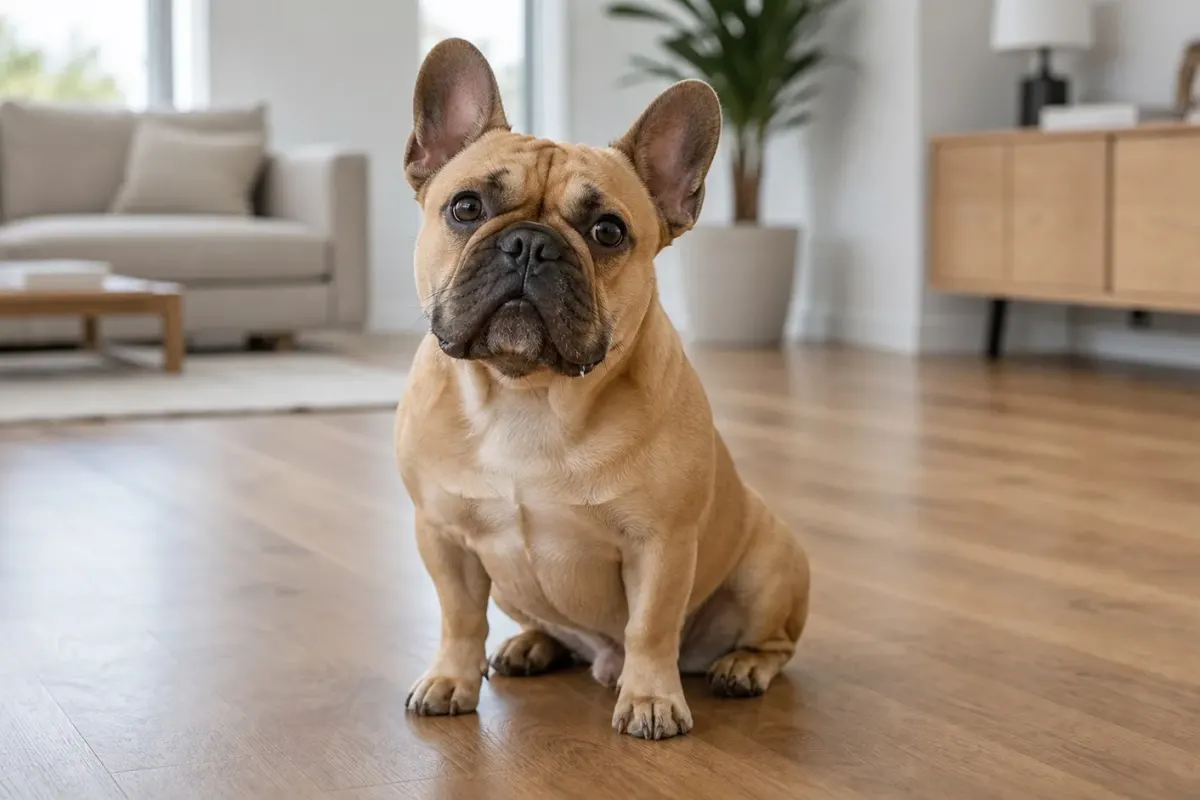
So, do French Bulldogs drool? Yes, they usually do in light to moderate amounts around meals, after drinking, during sleep, or when excited. Their short-muzzled build and loose lower lips let saliva pool and spill. They are not heavy droolers by nature, so a sudden or marked increase deserves a closer look.
- Normal drool is predictable and mild, tied to specific triggers like food or car rides.
- An unexplained increase in saliva often points to oral pain, nausea, or a foreign object.
- Drooling paired with frantic panting, weakness, or abnormal gum color is a medical emergency.
- Wipe the facial folds daily to prevent skin irritation from trapped moisture.
- Never use human medications to stop drooling at home.
How much do French Bulldogs drool normally?
French Bulldogs do slobber noticeably less than giant, heavy-jowled breeds such as Saint Bernards, Mastiffs, or Bloodhounds. Normal drool is occasional and context-linked: a wet chin after drinking, a little saliva at mealtime, or brief drool during excitement. The best benchmark is the dog’s own usual pattern.
VCA Hospitals states that saliva production is normal, but excessive volume is not. The breed’s facial structure plays a large role. When exploring the French Bulldog’s brachycephalic build and defining breed traits, it becomes clear that Brachycephalic Obstructive Airway Syndrome (BOAS) anatomical specifics, such as stenotic nares (pinched nostrils), an elongated soft palate, and aberrant nasal turbinates, force them to mouth-breathe more often. This constant open-mouth breathing, combined with loose lips, causes saliva to pool and spill. Visible drooling reflects this retention and swallowing difficulty just as much as actual saliva production. A healthy Frenchie produces a predictable, brief amount of slobber rather than a new, persistent flow.
Normal Slobber vs When to Worry (Comparison Table)
To quickly assess whether your Frenchie’s saliva is ordinary or a medical red flag, compare the volume, timing, and accompanying signs:
| Trait | Normal Slobber | When to Worry (Abnormal Drool) |
|---|---|---|
| Volume & Consistency | Mild dampness, clear saliva. | Heavy pooling, thick or stringy rope-like drool, or blood-tinged saliva. |
| Timing & Triggers | Predictable: waiting for meals, chewing a toy, riding in a car, or post-drink. | Sudden onset with no obvious routine trigger, or persisting for hours. |
| Breathing | Normal, quiet breathing or typical mild breed snuffling. | Frantic panting, wheezing, noisy breathing, or severe effort to catch a breath. |
| Accompanying Signs | Alert, comfortable, normal appetite, and typical energy levels. | Lethargy, vomiting, pawing at the mouth, bad breath, or abnormal gum color (dark red, blue, or pale). |
| Resolution | Stops shortly after the trigger (food, excitement) is removed. | Continues relentlessly; does not stop when the dog rests in a cool, quiet place. |
What everyday situations cause harmless drool?
Food anticipation, excitement, mild anxiety, and travel can all briefly raise saliva. The drool should settle when the trigger passes, and the dog should stay comfortable, alert, and willing to eat and drink. The Merck Veterinary Manual lists motion sickness, fear, nervousness, and excitement among the ordinary causes of increased saliva.
Why is my French Bulldog drooling more than usual?
A meaningful increase in saliva can stem from oral pain, a foreign object, nausea, gastrointestinal upset, stress, an irritant, trouble swallowing, or heat-related distress. Focus first on the timing, accompanying symptoms, and whether the dog can breathe and swallow comfortably, rather than trying to name a condition at home.
The Merck Veterinary Manual lists drugs and poisons, oral irritation, foreign objects, tumors, injuries, reluctance to swallow due to esophageal or intestinal irritation, and metabolic disorders like kidney failure as potential causes of excessive salivation. You should note the timing, possible exposure history, appetite, breath odor, pawing at the mouth, vomiting, stool changes, breathing effort, and gum color. For example, understanding why a French Bulldog keeps throwing up and when vomiting is a warning sign can help you spot when nausea is driving the excessive saliva. Similarly, knowing how many teeth a French Bulldog has and why oral-health checks matter provides context for why dental disease often leads to drooling.
Could dental or mouth pain be the cause?
Drool with foul breath, reluctance to eat, chewing on one side, pawing at the mouth, visible swelling, blood, or one-sided drooling may signal an oral problem. Veterinary studies show that extra-small to small dogs are up to five times more likely to develop periodontal disease compared to giant breeds, with prevalence rates around 8.3% specifically recorded in French Bulldogs in some clinical datasets. Painful inflamed gums or loose teeth prevent normal swallowing, leading to saliva spillage. Look into the mouth only if the dog is calm and cooperative. Never force the jaws open or try to pull out a deeply lodged object yourself.
Can stress, travel, or a toxin trigger sudden slobber?
Nausea, including car sickness, can trigger excess saliva, and nervous dogs may drool and lick their lips. However, sudden and severe hypersalivation is a classic sign of toxicity. The timeline of symptom onset offers vital clues:
- Irritating Plants: Calcium oxalate plants (like pothos, dieffenbachia, or peace lily) cause severe oral burning and heavy drooling immediately or within 2 hours of chewing.
- Toxic Foods: Xylitol (an artificial sweetener) can trigger vomiting and drooling within 30 to 60 minutes, followed by a dangerous drop in blood sugar. Grapes or raisins generally cause gastrointestinal signs within 6 to 12 hours.
- Chemicals: If the timing follows possible contact with a household cleaner, medication, or pest bait, treat it as urgent.
The AVMA identifies suspected poisoning as a situation that requires immediate veterinary consultation or care. Call a veterinarian or an animal poison control center rather than trying unproven home remedies.
When is French Bulldog drooling an emergency?
Seek urgent veterinary help if heavy or sudden drooling comes with difficult or noisy breathing, intense panting, weakness, collapse, abnormal gum or tongue color, repeated vomiting, inability to swallow, facial swelling, blood in the saliva, or suspected poisoning. Do not wait to see whether severe airway or heat-stress signs pass.
A change from the dog’s own normal matters more than the mere presence of saliva. Breathing distress, collapse, abnormal gums, or poisoning are not home-management situations. If you notice facial swelling or a reaction, checking for red eyes in French Bulldogs and other facial signs worth checking can confirm the need for prompt care. Understanding safe exercise limits and running for French Bulldogs helps prevent exertion-related emergencies in the first place.
Why does heat deserve special attention in Frenchies?
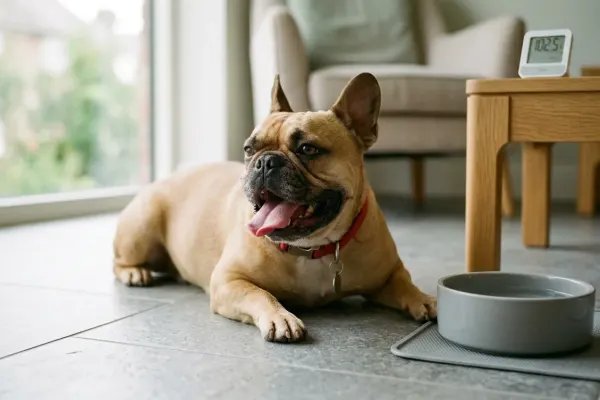
Excess drool with frantic panting, labored breathing, weakness, vomiting, abnormal gum color, or collapse may indicate heat stress or heatstroke and needs immediate action. Frenchies are short-nosed, so heat, humidity, exertion, and excitement place extra strain on their breathing, and they cool themselves poorly because their primary cooling mechanism (evaporation through panting) is hindered by their airway anatomy.
Veterinary guidance emphasizes strict temperature awareness for brachycephalic dogs. While typical dogs might handle warmer weather, temperatures above 72 to 75 degrees Fahrenheit (22 to 24 degrees Celsius) carry high risk for French Bulldogs, especially if humidity is elevated. The most definitive clinical threshold for life-threatening heatstroke is a rectal core temperature above 104 degrees Fahrenheit (40 degrees Celsius), which is a medical emergency.
The AVMA lists excessive drooling, excessive panting, restlessness, anxiousness, unsteadiness, weakness, abnormal gum or tongue color, and collapse as signs of heat stress requiring emergency care. If you observe thick, rope-like drool combined with fast panting on a warm day, move the dog to a cool area immediately, begin safe cooling by wetting them with cool (not ice-cold) water, and get to a veterinary emergency clinic while cooling continues.
How can owners manage ordinary drool safely?
For mild, predictable drool, keep the chin and facial folds clean and dry, offer fresh water, manage excitement and heat exposure, and keep up regular veterinary dental care. Management should cut the mess and skin irritation. It should not be used to explain away a persistent change in saliva.
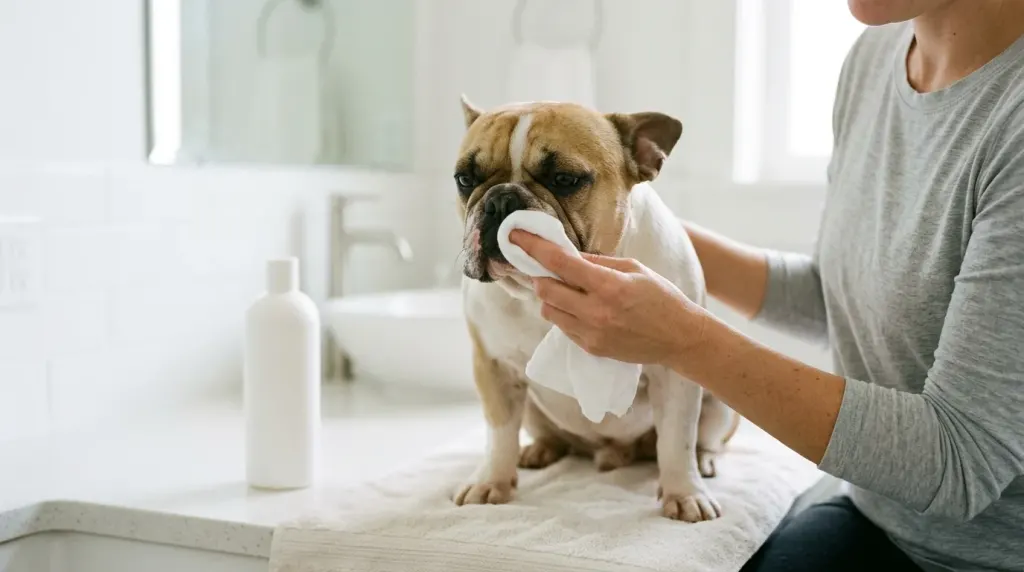
Wipe the chin with a soft, clean cloth after meals, drinking, and activity. Check the facial folds for dampness, odor, redness, or irritation, and get veterinary guidance if skin changes appear. You can incorporate this into a broader grooming habit, just like how to clean a French Bulldog’s ears safely, step by step. Keep water available, avoid strenuous activity in high heat or humidity, and build routine oral-health checks into your care schedule. Avoid unverified anti-drool remedies and human medications.
What should owners note before calling the vet?
Record when the change began, what happened just before, whether the dog ate or licked anything unusual, and any change in appetite, vomiting, stool, breathing, activity, mouth behavior, or gum color. For emergency signs, call first; do not delay care to finish a log.
How can you prevent avoidable drooling triggers?
You cannot and should not try to eliminate all saliva, but you can reduce avoidable triggers by protecting oral health, preparing for car travel when nausea is predictable, limiting heat exposure, and preventing access to household chemicals, unsafe plants, and inappropriate chew items.
Keep up with dental and veterinary care. Supervise chewing and limit access to objects that splinter or lodge. Plan cool, lower-intensity activity with frequent rests in warm conditions. Keep cleaners, medications, and toxic materials out of reach. For recurring travel nausea or anxiety, consulting a professional on how to train a French Bulldog for calmer everyday handling and getting veterinary advice is safer than self-medicating.
Frequently Asked Questions
Do French Bulldogs drool a lot?
Some do, but many only drool lightly or at predictable moments, such as after drinking, eating, smelling food, or getting excited. A small amount of saliva alone is not a problem. Compare the amount and pattern to your own dog’s baseline, and take a new or dramatic increase more seriously than ordinary occasional dampness.
Is sudden drooling in a French Bulldog normal?
Sudden drooling can be temporary if it follows food anticipation, excitement, travel nausea, or stress, but it can also accompany oral pain, a foreign object, toxin exposure, stomach upset, or heat stress. Check for other signs and get urgent help if there is breathing trouble, weakness, vomiting, abnormal gums, collapse, or possible poisoning.
Should I worry about thick, stringy saliva?
Thick or stringy saliva is more concerning when it is new or occurs with heavy panting, labored breathing, weakness, vomiting, dark-red or abnormal gums, or unsteadiness. In a short-nosed breed, that combination fits heat-related distress and calls for immediate veterinary assessment.
Can I give my dog something at home to stop drooling?
Do not give human medicines or unverified remedies to suppress drooling. Mild, predictable saliva is best handled with hygiene and trigger reduction. If the change is persistent, severe, or paired with illness signs, the right response is veterinary advice, because the cause, not the saliva itself, needs assessment.
Leave a Reply