
Table of Contents
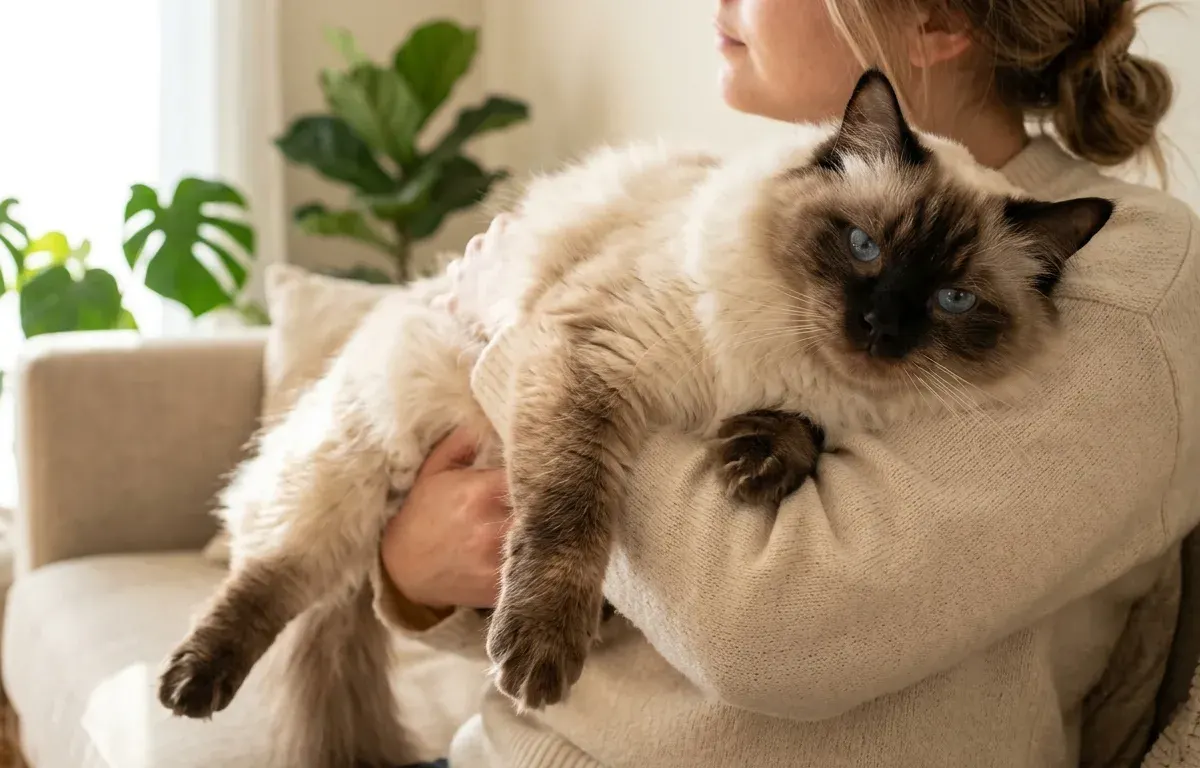
Where do ragdoll cats originate from? The breed was created in Riverside, California, by breeder Ann Baker in 1963. The entire lineage traces back to a single foundation cat, a white, longhaired domestic feline named Josephine.
- The breed was deliberately developed in suburban California during the early 1960s.
- Ann Baker named them "Ragdolls" because early kittens went completely limp when held.
- A dangerous myth claims these cats cannot feel pain, but their nervous systems are identical to any other feline.
- Mainstream recognition happened after breeders Denny and Laura Dayton broke away from Baker's strict trademark rules.
The Origin Story: Riverside, California in the 1960s
For those wondering where do ragdoll cats come from, the breed did not evolve naturally in the wild. It was deliberately developed in a suburban neighborhood in Riverside, California, during the early 1960s. Ann Baker, an established Persian breeder, envisioned a large, placid indoor cat with a highly affectionate disposition. She transitioned from breeding domestic street cats to a formalized breeding program around 1963. Before exploring the specific genetics, understanding exactly what a Ragdoll cat is helps clarify why Baker’s vision was so distinct. She wanted to breed cats specifically for their docile, family-oriented nature, which remains the foundation of the friendly Ragdoll temperament owners expect today.
Josephine: The Foundation Cat
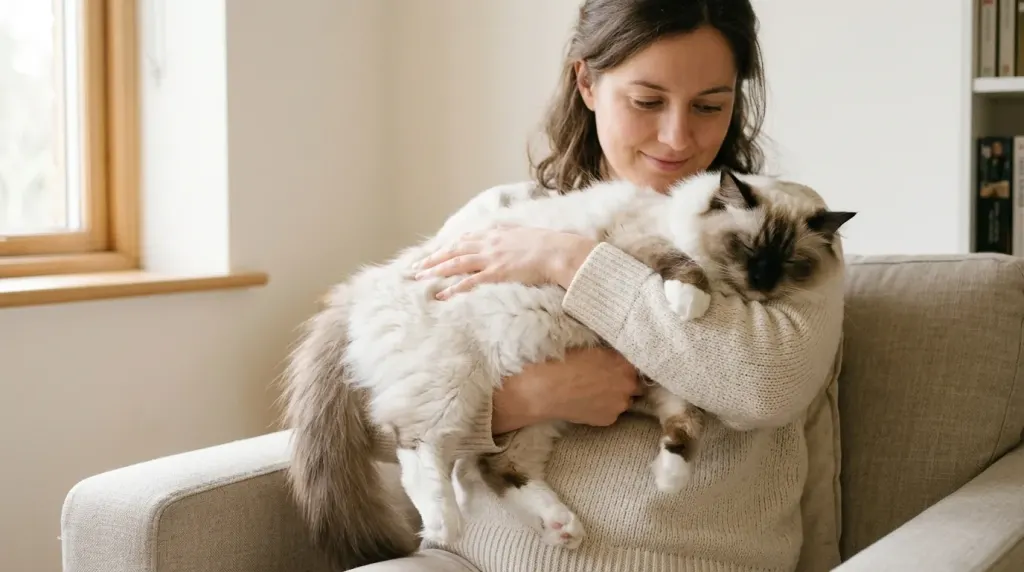
Every authentic Ragdoll traces its lineage to Josephine. She was a semi-feral, free-roaming, white, Angora-type cat owned by Baker’s neighbor, Mrs. Pennels. After Josephine recovered from being struck by a car in the early 1960s, her subsequent litters produced kittens with exceptionally calm and floppy temperaments. Baker secured these specific kittens to form the genetic base of her new breed.
Early Lines: Blackie, Daddy Warbucks, and Fugianna
Baker used Josephine’s offspring to lock in the breed’s physical traits. She bred a solid black male named Blackie and a seal point mitted male named Daddy Warbucks. On December 30, 1966, the National Cat Fanciers Association (NCFA) formally recognized the breed when Daddy Warbucks was registered as the very first Ragdoll, along with females Fugianna and Tiki, and a seal mitted male named Kyoto. By carefully linebreeding these foundational cats (including another dark female named Buckwheat), Baker established the colorpoint pattern and the sturdy physical structure that defines the modern standard.
Why Are Ragdoll Cats Called “Ragdolls”?
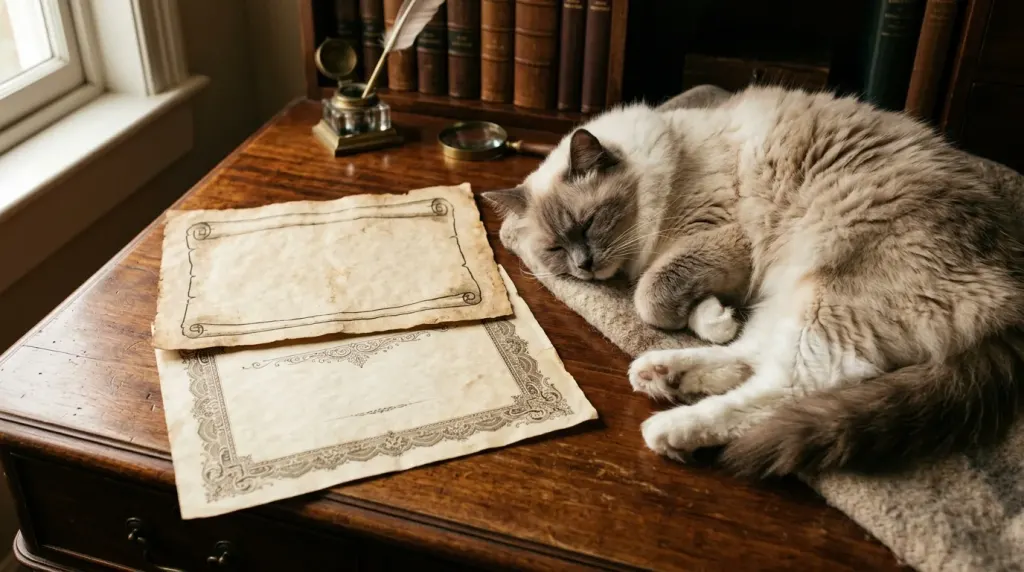
Many people ask why are they called ragdoll cats. Ann Baker coined the name in 1965 because the original kittens had a distinct behavioral quirk. They would relax all their muscles and go completely limp when picked up safely, closely resembling a floppy child’s cloth ragdoll toy. The physical reaction was so consistent that Baker trademarked the name to describe this specific trait.
Why Do Ragdoll Cats Go Limp?
Ragdoll cats go limp because selective breeding heavily reinforced a natural feline relaxation reflex. Most kittens relax when their mother carries them by the scruff. Ragdolls maintain this low-stress, highly trusting response into adulthood. When they feel secure in human arms, their nervous system opts for muscular relaxation instead of tension. This limpness is purely a behavioral trait and has no connection to Ragdoll cat health problems or neurological anomalies.
Debunking the High Pain Tolerance Myth
Early marketing claims suggested these cats felt no pain. Veterinary science confirms this is biologically false. Their nervous systems, pain receptors, and physiological responses are identical to other felines. They simply have a highly docile behavioral reaction to handling. Believing the pain-tolerance myth is dangerous. Because these cats are less likely to vocalize or act out defensively when hurt, they often suffer in silence. Owners might mistake stoic behavior for a lack of discomfort, which delays necessary veterinary treatment.
The Journey to Official Breed Recognition
The path to becoming an internationally recognized pedigree was complicated by strict early franchising rules. The breed’s popularity required other breeders to break away from the founder to secure mainstream acceptance.
Ann Baker and the IRCA
In 1971, Baker trademarked the name “Ragdoll” and formed the International Ragdoll Cat Association (IRCA). She imposed strict royalty and breeding rules on anyone who bought her cats, effectively running the breed like a franchise where she collected fees for every kitten sold. This tightly controlled business model alienated many breeders and prevented the cats from participating in traditional cat shows.
Denny and Laura Dayton’s Contribution
Denny and Laura Dayton purchased their first pair of breeding cats from Baker in 1969, establishing the Blossom-Time cattery. They formed the Ragdoll Society in 1975 (later renamed the Ragdoll Fanciers’ Club International, or RFCI). The Daytons grew dissatisfied with Baker’s legal and financial constraints and broke away to pursue mainstream recognition. The Daytons meticulously documented pedigrees and submitted strict physical standards to registries, defining requirements for coat colors and the signature Ragdoll cat blue eyes trait. Their record-keeping was directly responsible for the breed gaining championship status in major organizations like the Cat Fanciers’ Association (CFA).
Modern Ragdoll Traits Rooted in Their Origins
The deliberate choices made in Riverside over 60 years ago are still visible in modern pedigrees. Breeders successfully preserved the pointed coat, the exceptionally affectionate disposition, and the substantial physical frame Baker originally selected for. When looking at a full grown Ragdoll cat size, owners see the direct result of those foundational breeding decisions.
Frequently Asked Questions about Ragdoll cat origins
Where are Ragdoll cats from originally?
They are originally from Riverside, California, developed in the early 1960s by a breeder named Ann Baker.
Why are Ragdoll cats called that?
The name stems from their tendency to relax all their muscles and flop like a soft cloth doll when picked up safely.
Why is a Ragdoll cat called a Ragdoll by registries?
Ann Baker officially trademarked the name to describe their limp, relaxed posture. Major registries like the CFA and TICA later adopted the name when recognizing the breed standard.
Leave a Reply