
Table of Contents
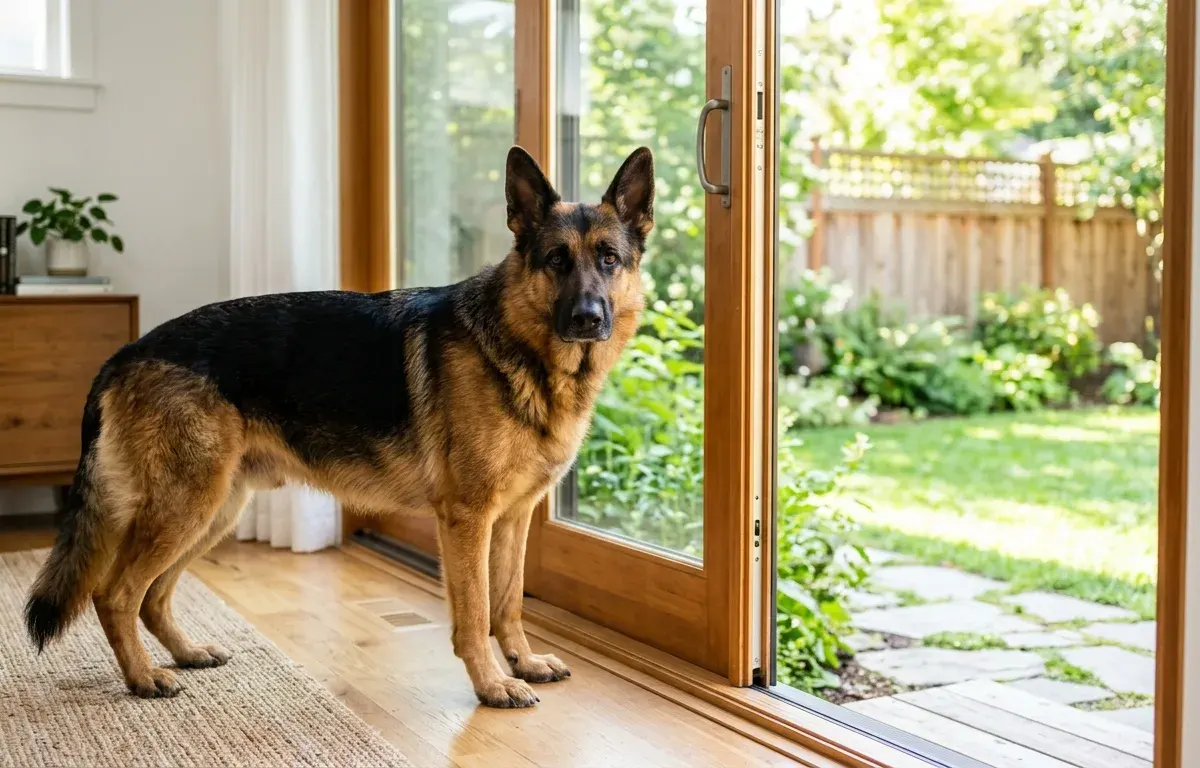
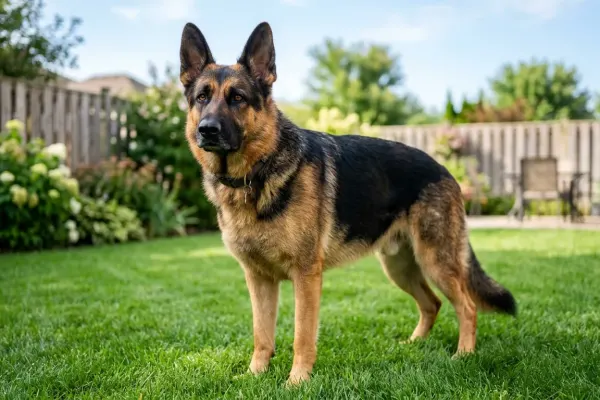
Where does the German Shepherd live? German Shepherds live in domestic human households across the world, thriving in suburban houses, rural properties, and well-managed apartments. Originally bred in Germany in 1899 for pastoral herding and utility tasks, they are fully domesticated canines that do not exist as wild populations. They require indoor living alongside their families, 90 to 120 minutes of daily exercise, and protection from extreme heat.
- German Shepherds reside globally as companion pets, service animals, and working K9s in human homes, not in wilderness habitats.
- The breed originated across the pastoral farmlands of Germany in 1899 under the stewardship of Captain Max von Stephanitz.
- Continuous outdoor isolation harms their psychological health; they must sleep and live inside with family members.
- Their dense double coat insulates them efficiently in cold weather, but high heat and humidity demand shaded, air-conditioned shelter.
- Apartments can accommodate a German Shepherd successfully when owners fulfill rigorous daily mental and physical exercise routines.
Domestic Living Environments: Where German Shepherds Reside Today
German Shepherds do not have a wild geographic habitat. As a fully domesticated working breed, every German Shepherd lives in an environment created and maintained by humans. Today, the breed ranks among the most widely distributed dogs worldwide, living in suburban family homes, working farmsteads, urban apartments, and specialized service facilities.
In family settings, these dogs integrate directly into the household as active companions and guardians. While toy companions display distinct physical traits like the visual features of a Pug and spend most of their time resting indoors across standard Pug lifespan expectations, German Shepherds actively monitor their domestic territory, moving between resting spots and family gathering areas throughout the day.
Working lines reside in specialized environments adapted to their professional duties. Police and military K9s often split their time between professional kennel facilities and the personal residences of their handlers. Search and rescue dogs live with volunteer handlers in residential neighborhoods, maintaining standard household routines between deployment calls. In all domestic settings, close proximity to human handlers remains the core requirement of their daily habitat.
Historical Origins: The Pastoral Countryside of Germany
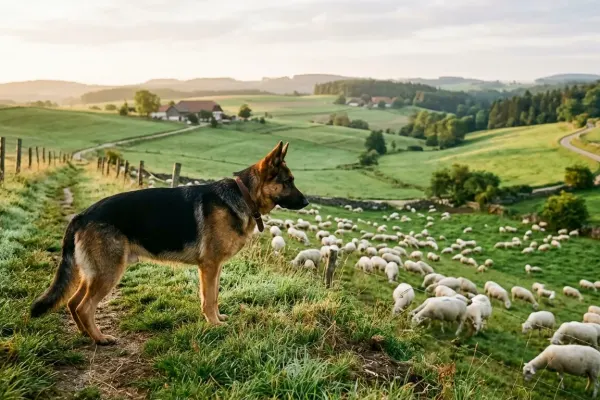
The geographic origins of the German Shepherd trace back to the rural grazing regions of central and southern Germany during the late nineteenth century. Local shepherds bred regional varieties of herding dogs to protect sheep flocks and manage livestock movement across rugged pastures. These ancestral dogs developed substantial physical endurance, weather-resistant coats, and sharp problem-solving capabilities.
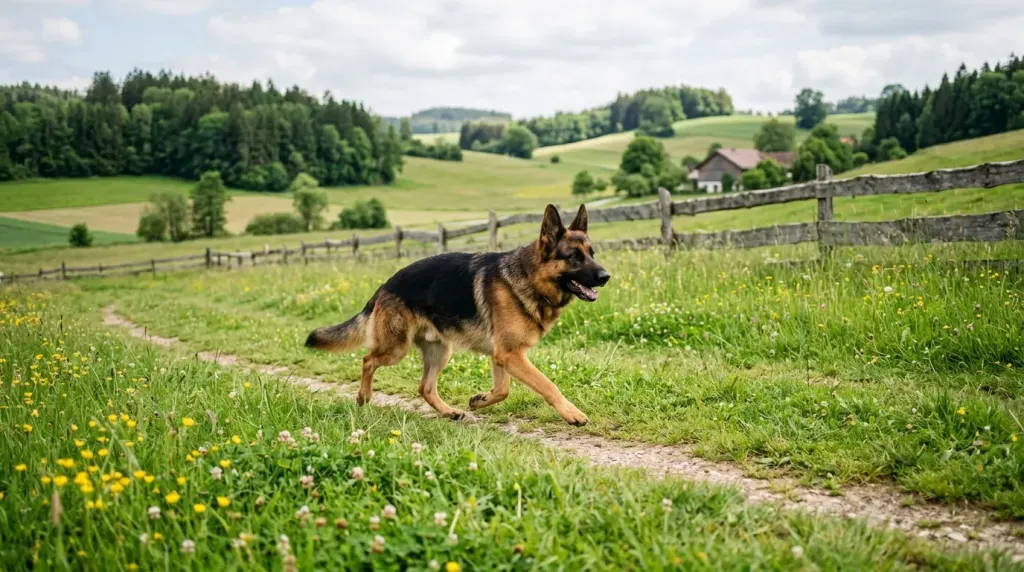
In 1899, Captain Max von Stephanitz recognized the utility of these pastoral dogs and established the Verein für Deutsche Schäferhunde (SV) to standardize the breed. Von Stephanitz purchased Horand von Grafrath, registering him as the foundational German Shepherd Dog under the guiding principle that breed value must stem from utility and intelligence.
As industrialization reduced the need for agricultural sheep herding, breeders redirected the dog’s working instincts toward municipal and military service. While selective breeding in companion breeds favored a compact structure seen in French Bulldog physical build, German Shepherd breeding preserved a balanced, athletic build capable of trotting over varied terrain for hours at a time. Furthermore, search intent analysis published by the University of Georgia CAES Office of Information Technology highlights how audience inquiries explore topic backgrounds and user search trends, clarifying that modern dogs have transitioned from historical pastoral grazing lands to domestic family residences.
Indoor vs. Outdoor Housing: Why Shepherds Belong Inside
A common misconception is that a large, athletic working dog should live outdoors in a backyard, shed, or kennel run. Veterinary behaviorists and canine welfare organizations emphasize that German Shepherds are deeply social, pack-oriented animals that suffer severe psychological distress when relegated to outdoor isolation.
Prolonged outdoor confinement frequently causes chronic behavioral problems, including excessive territorial barking, destructive digging along fence lines, barrier frustration, and heightened reactivity. When excluded from the home, an intelligent working dog lacks the social engagement needed to maintain mental stability. German Shepherds possess an intense drive to work alongside their human handlers. Depriving them of indoor family life leads to environmental frustration and anxiety rather than self-reliance.
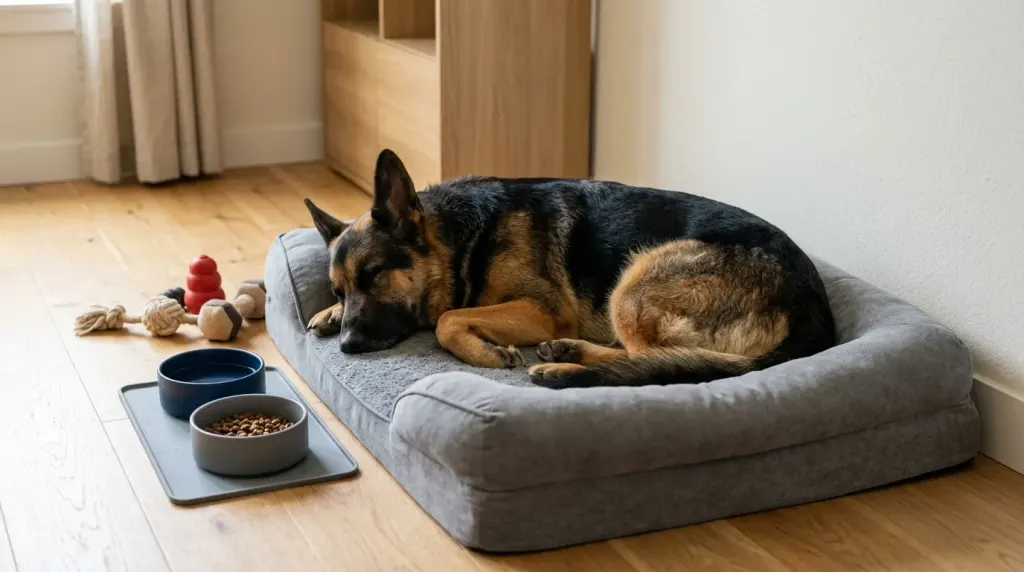
Indoor housing provides security, predictable climate control, and regular social interaction. Just as smaller breeds express instinctual nesting habits such as why Pugs burrow in blankets, a German Shepherd requires a quiet indoor corner equipped with an orthopaedic bed to support their large joints. Access to a fenced yard serves as an exercise and elimination area, not a permanent living enclosure. In addition, educational communication guidelines from the Iowa State University CALS/LAS Web Team emphasize addressing specific user search intents directly, helping pet owners distinguish between essential indoor shelter requirements and supplementary outdoor play spaces.
Space and Exercise Needs: Houses, Yards, and Apartments
German Shepherds adapt to various housing styles, but their physical size and working drive dictate specific space considerations. An adult male stands 24 to 26 inches at the shoulder and weighs 65 to 90 pounds, while females stand 22 to 24 inches and weigh 50 to 70 pounds. Inside the home, they require room for an appropriately sized crate (typically 36 to 42 inches in length) and unobstructed movement through common areas.
For single-family homes, a securely fenced backyard of 1,500 to 2,000 square feet allows for off-leash fetch, obedience drills, and scent games. Fencing should stand at least 5 to 6 feet tall, as athletic shepherds can scale lower barriers when stimulated by wildlife or passersby.
Living in an apartment with a German Shepherd requires strict owner discipline. The dog does not demand massive indoor square footage if their exercise requirements are fulfilled outdoors. Owners must provide 90 to 120 minutes of structured daily activity, split between brisk walks, running, fetch, and interactive training sessions.
| Housing Type | Suitability Level | Minimum Yard / Outdoor Space | Daily Management Focus |
|---|---|---|---|
| Apartment or Condominium | Moderate (Requires high commitment) | Public parks and walking routes | 90-120 minutes of leashed exercise, puzzle toys, stairs training |
| Suburban House with Yard | High | Secure 5-6 foot perimeter fence (1,500+ sq ft) | Backyard games, daily perimeter checks, off-leash fetch |
| Rural Farm or Acreage | Optimal | Open acreage with secure property boundaries | Working tasks, livestock perimeter patrols, scent tracking |
Paying attention to physical cues, including subtle ear posture signals in dogs, allows owners to gauge whether an indoor space is calm and comfortable or creating sensory stress for their shepherd.
Climate Tolerance: Managing Cold Weather and Summer Heat
The German Shepherd features a weather-resistant double coat comprised of a harsh, straight outer jacket and a soft, dense undercoat. This anatomical structure originated to shield working dogs from damp, freezing conditions in northern European winters.
In cold climates, the double coat traps warm air close to the skin, allowing healthy adults to enjoy walks in freezing temperatures without specialized clothing. However, pet dogs conditioned to heated indoor homes must not be left outdoors during winter storms or sub-freezing nights, as ears and paw pads remain vulnerable to frostbite.
Hot and humid environments present greater physiological challenges. Thick double coats slow heat dissipation, making German Shepherds susceptible to heat exhaustion when temperatures exceed 85 degrees Fahrenheit (29 degrees Celsius). Owners living in warm regions must adopt specific management routines:
- Schedule vigorous workouts during early morning or late evening hours when ambient temperatures remain lowest.
- Provide constant access to cool indoor air conditioning, shaded rest areas, and clean drinking water.
- Avoid asphalt and dark pavement during sunny afternoons to prevent severe paw pad burns.
- Never shave a German Shepherd’s double coat, as the outer guard hairs provide essential insulation against direct solar radiation and insect bites.
Abrupt environmental stress can cause systemic physical strain across all breeds, similar to how overheating aggravates digestive sensitivity in French Bulldogs. Keeping the living area cool and stable protects your shepherd’s long-term health.
Frequently Asked Questions About Where German Shepherds Live
Can a German Shepherd live in an apartment?
A German Shepherd can live successfully in an apartment if the owner provides 90 to 120 minutes of structured outdoor exercise and mental training every day. Indoor calmness depends on physical fulfillment rather than the square footage of the residence.
Do German Shepherds live in the wild anywhere in the world?
German Shepherds do not live as wild animals anywhere in the world. They are a fully domesticated canine breed created through selective breeding in 1899, relying on human care, shelter, and feeding for survival.
Can a German Shepherd sleep outside at night?
A German Shepherd should sleep indoors with their family. Leaving a shepherd outside overnight exposes the dog to temperature extremes, nocturnal wildlife, insect vectors, and chronic separation stress that triggers behavioral issues.
What climate is best suited for a German Shepherd?
German Shepherds thrive best in temperate to cool climates where their double coat provides natural insulation. They can reside in warm climates successfully when provided with indoor air conditioning, plentiful hydration, and shaded outdoor rest zones.
Leave a Reply