
Table of Contents
While prospective owners frequently ask do French Bulldogs smell naturally, Frenchies do not possess an inherently foul coat scent. However, their unique facial skin folds, flatulence from brachycephalic airway structure, ear yeast buildup, and anal sac issues cause localized odors if neglected. Routine cleaning of facial wrinkles, proper diet management, and regular grooming prevent most bad smells effectively.
- Deep facial skin folds trap moisture, tear runoff, and bacteria that generate sour facial odors.
- Brachycephalic flat-faced anatomy causes air swallowing during meals, leading to frequent flatulence.
- Unexpressed anal sacs emit a strong fishy odor that requires veterinary or professional intervention.
- Ear canals with yeast infections produce a sweet, musty smell that signals underlying inflammation.
Do Frenchies Smell More Than Other Dog Breeds?
French Bulldogs carry a distinct physical profile compared to double-coated working breeds or longer-muzzled dogs. While dogs naturally possess a mild canine coat scent, Frenchies frequently develop noticeable localized odors due to their anatomical build rather than poor coat hygiene.
Understanding the anatomical traits described in the French Bulldog breed profile helps explain why routine maintenance is essential. Their short single coat releases less natural dander than heavy-coated breeds, which means overall body odor remains minimal when their skin stays healthy. However, because French Bulldogs are not hypoallergenic, shed dander and localized skin secretions accumulate quickly when grooming routines are missed.
Canine skin has a natural pH between 6.5 and 7.5, which is more alkaline than human skin (pH 5.5). This higher pH makes canine skin inherently more susceptible to bacterial overgrowth when lipid barriers are disrupted or when surface moisture accumulates. Unlike double-coated breeds whose thick undercoats trap dirt across large surface areas, a Frenchie’s single short coat (typically 0.5 inches in length) stays relatively clean. Instead, odor issues concentrate within specific physiological folds and body cavities where ventilation is restricted.
The overall intensity of a Frenchie’s scent depends on how consistently their skin folds, ears, tail pockets, and paws are cleaned. When healthy and well groomed, a French Bulldog smells clean and neutral.
Why Facial Skin Folds Trap Moisture and Odor
The characteristic facial wrinkles of French Bulldogs create sheltered microenvironments where moisture, tear overflow (epiphora), dead epidermal cells, and food debris accumulate. When trapped inside dark, warm skin pockets where relative humidity routinely exceeds 80%, these organic materials promote rapid proliferation of skin flora, particularly Staphylococcus pseudintermedius bacteria and Malassezia pachydermatis yeast. This microbial growth produces a pungent, sour smell around the muzzle.
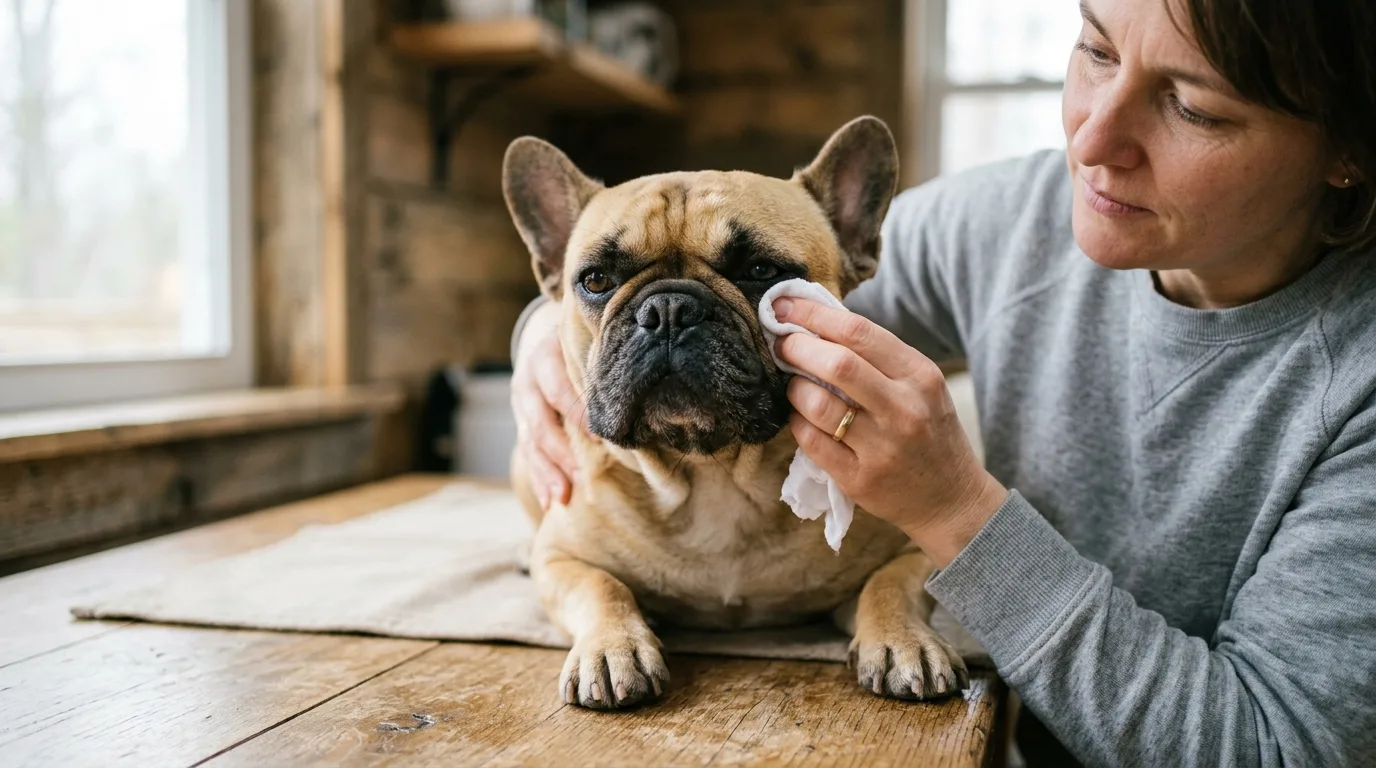
Because French Bulldogs drool noticeably around their facial folds, saliva mixes with tear secretions and collects in deep nose wrinkles. Without daily wiping, skin fold dermatitis (intertrigo) can develop within 24 to 48 hours, causing severe redness, skin maceration, raw lesions, and intense discomfort.
In addition to facial wrinkles, many French Bulldogs possess a hidden tail pocket (an inverted skin fold directly above the anus, common in dogs with screw tails). Tail pockets trap dead skin flakes and fecal residue, generating a severe rotting or rancid odor if neglected. Facial fold odors stem from moisture retention rather than coat dirt. Daily cleaning with an alcohol-free, unscented wipe prevents microbial overgrowth before skin irritation occurs.
Note: Avoid using harsh human soaps or scented wipes inside facial folds, as artificial fragrances irritate sensitive canine skin and disrupt natural skin oil balances.
How to Clean Facial Wrinkles Correctly
Cleaning facial wrinkles requires a gentle, consistent technique to avoid abrading sensitive skin folds.
- Wipe thoroughly: Lift each wrinkle fold gently and wipe from the inner fold outward using a damp, unscented dog wipe or soft cloth. For inflamed skin, use a veterinary-approved antiseptic wipe containing 2% chlorhexidine.
- Dry completely: Moisture left inside skin folds accelerates bacterial growth. Use a clean, dry cotton ball or soft towel to remove all remaining moisture within 30 seconds of wiping.
- Apply protective barrier: If mild redness appears, apply a thin layer of vet-approved skin fold balm containing zinc oxide or natural soothing lipids to guard against friction and dampness.
Consistent daily maintenance keeps facial skin healthy and eliminates sour facial smells entirely.
Flatulence and Bad Breath in Brachycephalic Dogs
Flatulence is one of the most common complaints among French Bulldog owners. As a brachycephalic (flat-faced) breed, Frenchies possess shortened upper airways, which causes aerophagia (excessive swallowing of air while eating and drinking). During feeding, flat-faced dogs inhale up to three to four times more air per mouthful than long-muzzled breeds. This ingested gas travels through the gastrointestinal tract, resulting in frequent intestinal gas release.
Furthermore, incomplete digestion of low-quality plant proteins or complex carbohydrates leads to colonic fermentation by gut bacteria. This process yields sulfurous gases, specifically hydrogen sulfide ($H_2S$) and methanethiol, which create an intensely foul gas odor.
Bad breath (halitosis) also develops when food debris gets trapped between tightly packed teeth. French Bulldogs have shortened maxillas that compress 42 adult canine teeth into a small space. This crowding accelerates bacterial plaque formation, tartar accumulation, and periodontal pocketing exceeding 3mm in depth, producing offensive oral odors.
Switching to slow-feeder bowls, avoiding table scraps, and introducing daily canine tooth brushing significantly reduces both gastrointestinal gas and oral odors.
Anal Sacs: The Overlooked Source of Pungent Odor
When a Frenchie emits a sudden, intensely fishy or metallic scent, the source is almost always the anal sacs. Located on either side of the rectum at the four o’clock and eight o’clock positions, these small paired pouches store a foul-smelling liquid secreted by apocrine and sebaceous scent glands.
Under normal conditions, a dog expresses these sacs naturally during firm bowel movements (Bristol Stool Scale Type 4). However, soft stools, chronic diarrhea, or anatomical malformations prevent full mechanical expression, leading to fluid accumulation, thickening of secretions, and painful impaction. According to the VCA Animal Hospitals guide on anal sac disease, impacted or infected anal sacs cause discomfort, scooting behavior, rear licking, and persistent foul odors.
If your Frenchie scoots along carpets or licks their rear end repeatedly, consult a veterinarian for safe manual expression rather than attempting deep expression at home. Attempting improper manual squeezing can cause glandular rupture or abscess formation requiring surgical drainage.
Ear Odor and Yeast Infections
French Bulldogs sport prominent erect “bat ears” that collect environmental dust, pollen, and excess earwax. While their open ear structure allows decent airflow compared to floppy-eared breeds, their ear canals feature an L-shaped vertical and horizontal cartilage tunnel that easily traps moisture and cerumen.
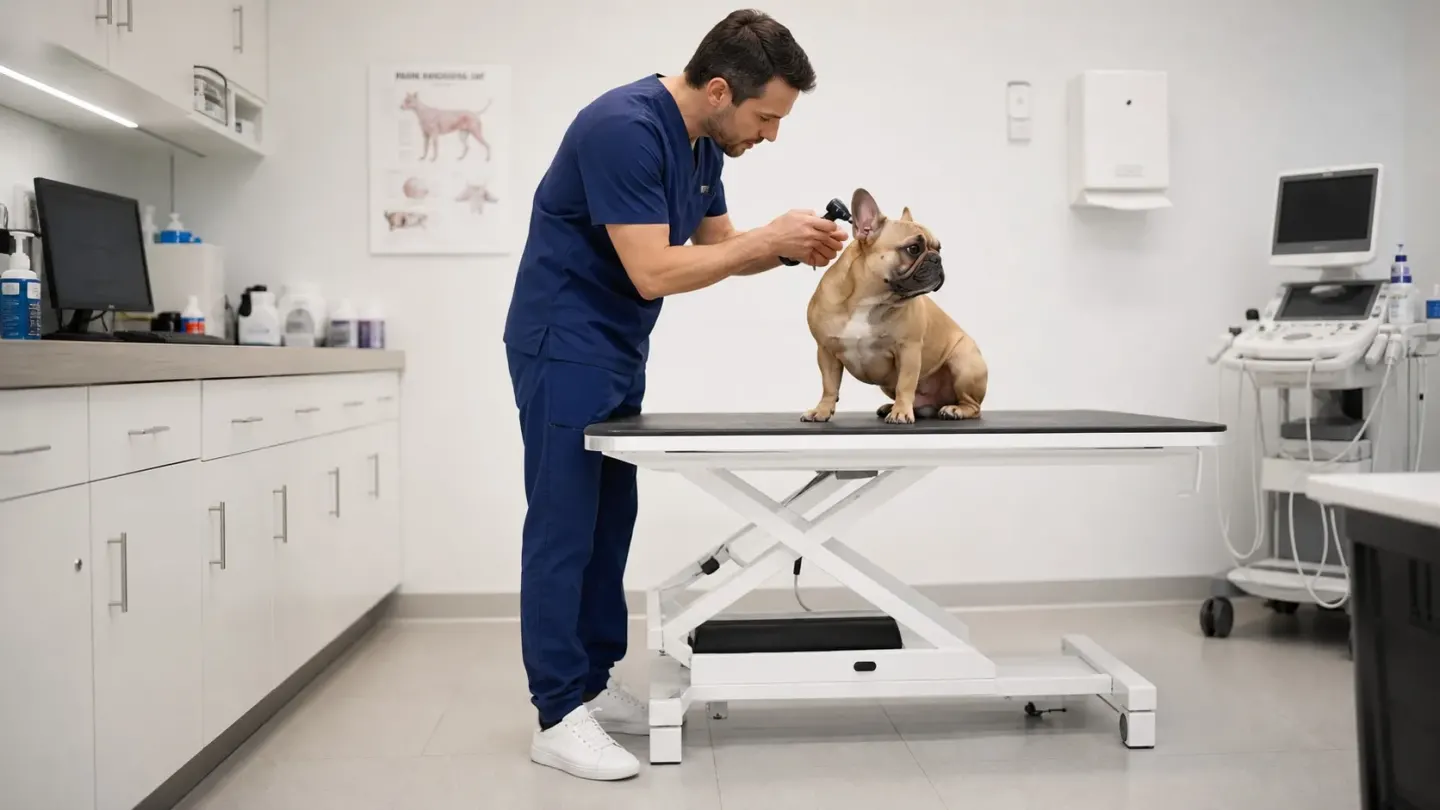
Dark, warm ear canals remain highly susceptible to fungal infections caused by Malassezia pachydermatis. When relative humidity within the ear canal rises above 70%, normal yeast populations multiply uncontrollably. A yeast infection in the ear produces a sweet, musty odor resembling corn chips or stale beer, often accompanied by dark brown waxy discharge, redness, frequent head shaking, and persistent scratching. According to official American Kennel Club French Bulldog breed standards, regular ear inspections are vital for detecting early signs of inflammation or wax buildup.
Cleaning ear canals weekly with a pH-balanced veterinary ear cleaner dissolves excess wax and maintains an inhospitable environment for yeast growth.
Do French Bulldogs Have Health Issues Related to Odor?
Unusual or persistent body odor in French Bulldogs is often an early indicator of underlying medical conditions. Because this breed possesses genetic predispositions to environmental allergies (atopic dermatitis) and respiratory challenges, monitoring scent changes provides valuable health insight.
According to a landmark Royal Veterinary College VetCompass study published in PMC, French Bulldogs face a significantly higher statistical risk for 20 out of 43 common canine health disorders compared to non-French Bulldog breeds. Lead researcher Dr. Dan O’Neill noted: “French Bulldogs suffer elevated rates of skin fold dermatitis, otitis externa (ear infections), and upper respiratory tract disorders linked directly to their brachycephalic conformation.” Statistical analysis reveals Frenchies have an adjusted odds ratio 11.18 times higher for skin fold dermatitis (95% CI 7.19 to 17.40) along with significantly higher rates of corneal ulceration than other dog breeds.
These chronic health issues can impact a dog’s suitability for demanding tasks. For instance, when evaluating whether French Bulldogs serving as service dogs can handle daily working duties, managing skin allergies and respiratory health remains a primary consideration. Furthermore, unresolved physical discomfort from chronic skin infections or ear pain can cause behavioral changes; observing underlying distress or aggression in French Bulldogs often reveals untreated inflammation or pain. Persistent body odor is rarely a cosmetic issue in Frenchies. It usually reflects active microbial inflammation across skin folds, ear canals, or digestive pathways.
When Body Odor Indicates a Need for a Vet Visit
While routine bathing resolves standard coat dirt, certain odor symptoms demand professional veterinary evaluation within 24 to 48 hours:
- Foul ear smell with dark discharge: Signals active bacterial or yeast otitis externa requiring diagnostic cytology.
- Red, moist, raw skin inside wrinkles or tail pocket: Indicates severe intertrigo (skin fold dermatitis) needing prescription topical antibiotics or antifungals.
- Persistent fishy rear-end odor with scooting: Points to anal sac impaction, sacculitis, or abscess formation.
- Sweet, fruity or acetone breath: May indicate metabolic conditions such as diabetes mellitus or advanced renal impairment.
- Offensive mouth odor with bleeding gums: Indicates advanced periodontal disease requiring professional dental scaling under anesthesia.
Prompt veterinary care prevents minor skin irritations from developing into severe chronic infections.
Daily Hygiene Habits to Keep Your Frenchie Fresh
Maintaining a clean, odor-free French Bulldog requires a consistent daily and weekly hygiene schedule tailored to their physical needs.
- Daily facial fold cleaning: Wipe wrinkles, teardrop tracks, and tail pockets with unscented baby wipes or dedicated canine fold wipes every morning.
- Weekly ear inspections: Check ear canals for dark wax buildup or redness, and cleanse gently with a vet-approved ear solution.
- Bathing schedule: Bathe your Frenchie every 3 to 4 weeks using a mild, hypoallergenic oatmeal shampoo (pH 6.5 to 7.0). Avoid over-bathing, which strips natural skin lipids and triggers compensatory sebum overproduction that worsens body odor within days.
- Bedding and environment: Wash dog beds, crate mats, and blankets weekly in hot water (130°F / 54°C) with fragrance-free detergent to eliminate trapped dander and bacterial residues.
- Crate management: When selecting an appropriate crate size for a French Bulldog, ensure proper ventilation and ample space so your dog stays dry and comfortable.
- Routine grooming bonding: Because the affectionate and clingy behavior of French Bulldogs makes them seek constant human proximity, turning daily wipe-downs into positive bonding moments builds calm cooperation.
How Dietary Choices Impact Body and Breath Smell
Diet plays a direct role in regulating gas production, stool consistency, and skin health in French Bulldogs. Food sensitivities frequently manifest as chronic skin inflammation, yeast overgrowth, and severe flatulence.
Many Frenchies react negatively to low-quality protein fillers or common allergens like corn, wheat, and soy. When evaluating protein sources, feeding chicken to French Bulldogs requires careful monitoring, as poultry is a frequent trigger for canine food allergies. If skin redness or gas increases after chicken meals, consult your vet about novel proteins like lamb, salmon, or hydrolyzed protein diets.
Selecting highly digestible commercial food with protein digestibility exceeding 85% significantly reduces unabsorbed nutrients entering the colon. Furthermore, adding omega-3 fatty acids (EPA and DHA at 50 to 75 mg per kg of body weight) strengthens epidermal lipid barriers and dampens inflammatory skin responses.
Additionally, incorporating safe fresh treats can aid digestion. Offering limited, safe portions of apples for French Bulldogs provides natural dietary fiber and vitamin C, supporting healthy bowel movements that naturally express anal sacs during defecation.
Choosing high-quality, highly digestible kibble with added probiotics strengthens the gut microbiome, reduces flatulence, and keeps skin barriers resilient against odor-causing yeast.
Frequently Asked Questions
Do French Bulldogs have a good sense of smell?
Yes, French Bulldogs possess a capable canine olfactory system with tens of millions of scent receptors. Although their shortened muzzles give them fewer olfactory turbinates than long-snouted working breeds like Bloodhounds, their sense of smell remains thousands of times more sensitive than human scent perception.
Is a sudden change in odor a warning sign?
Yes, a sudden change in your Frenchie’s body scent indicates an emerging health issue. Rapid onset of foul odors typically signals an acute ear infection, an inflamed tail pocket, impacted anal glands, or a skin allergy flare-up requiring veterinary attention.
How often should I bathe my French Bulldog to stop odor?
Bathe your Frenchie every 3 to 4 weeks with a gentle, hypoallergenic shampoo. Bathing too frequently strips essential oils from the skin, causing dryness, irritation, and overproduction of skin sebum that actually worsens body odor.
Conclusion
French Bulldogs are charming companion dogs that stay clean and fresh when given appropriate routine care. By cleaning facial wrinkles daily, inspecting ears weekly, feeding a high-quality digestible diet, and monitoring for underlying skin allergies, you can easily manage and prevent unwanted odors in your home.


Leave a Reply