
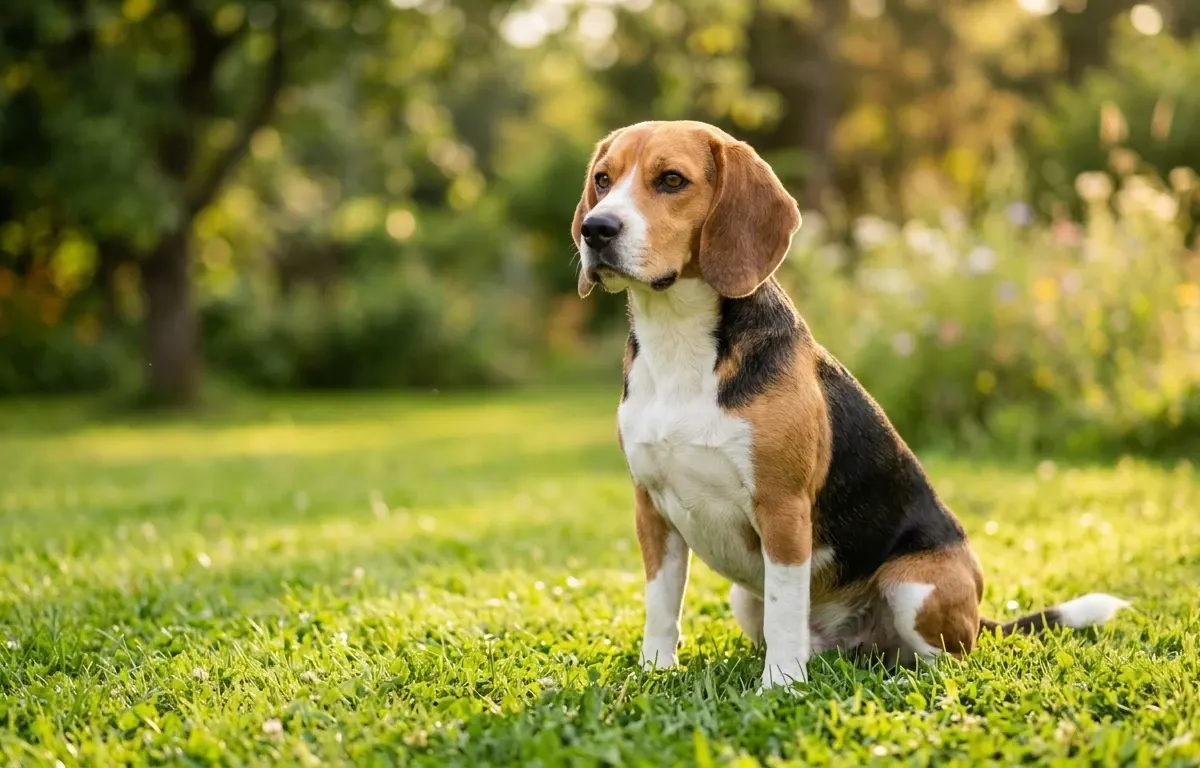
The Beagle Dog Breed is a small-to-medium hound belonging to the American Kennel Club (AKC) Hound Group. Known for its merry, outgoing personality and keen scenting abilities, Beagles typically stand between 10 to 15 inches tall, weigh 18 to 30 pounds, and have an average lifespan of 12 to 15 years. They are affectionate family companions that require regular exercise and patient training due to their strong tracking instinct.
- Compact hound breed standing 10 to 15 inches tall and weighing 18 to 30 pounds.
- Friendly, playful, and gentle temperament making them well-suited for families with children.
- High scent drive and independence require secure fencing and patient, positive-reinforcement training.
- Low-maintenance short coat, but floppy ears require regular cleaning to prevent ear infections.
- Average lifespan ranges from 12 to 15 years with proper exercise, nutrition, and routine veterinary care.
What Is a Beagle Dog Breed
The Beagle Dog Breed originated in England during the 19th century, developing from older scenthound strains including the Talbot Hound, the North Country Beagle, and the Southern Hound. Breeders refined these dogs specifically for tracking small game, primarily hares and rabbits, in organized packs (a field sport known as “beagling”). Their compact size allowed hunters to follow them on foot rather than on horseback.
Today, according to the Wikipedia Beagle entry, the breed remains one of the most popular companion dogs worldwide while continuing to work as detection dogs in quarantine and customs inspection teams due to their non-threatening appearance and exceptional olfactory acuity.
Beagle Size and Physical Characteristics
Beagles are sturdy, compact hounds built for stamina during long field hunts. The American Kennel Club recognizes two official size varieties for the breed:
- Under 13 inches: Dogs standing up to 13 inches at the shoulder, typically weighing under 20 pounds.
- 13 to 15 inches: Dogs standing between 13 and 15 inches at the shoulder, typically weighing between 20 and 30 pounds.
Key physical features include a square muzzle, broad floppy ears set low on the head, hazel or brown eyes with a gentle expression, and a high-set tail carried with a slight curve. The white tip at the tail end, historically called the “flag,” was selected by breeders to help hunters spot the dog in tall brush. Their dense, weather-resistant double coat comes in classic tri-color (black, white, and tan) as well as bi-color variations such as lemon and white or red and white, as described in the Royal Canin Beagle guide.
| Size Variety | Height at Shoulder | Typical Weight |
|---|---|---|
| Under 13 Inches | Under 13 inches (under 33 cm) | Under 20 lbs (under 9 kg) |
| 13 to 15 Inches | 13 to 15 inches (33-38 cm) | 20 to 30 lbs (9-14 kg) |
Beagle Temperament and Personality
Beagles are renowned for their merry, outgoing, and affectionate nature. Bred to hunt in packs, they naturally get along well with other dogs and thrive on human companionship. They are generally patient and playful with children, making them popular household pets.
However, their strong hound heritage brings distinct behavioral traits. Beagles possess an intense scent drive; once they pick up an intriguing odor, their attention focuses entirely on following the trail. They are also vocal dogs that express themselves through barking, whining, and a distinctive prolonged howl known as baying, particularly when left alone or excited.
“Beagles are loyal and active dogs that love their owners,” notes Bill Lambert, a spokesperson for The Kennel Club, in the Country Living UK breed guide. “Beagles’ happy and affectionate nature makes them suitable for various owners, including active families.”
Analysis: The gregarious nature that makes Beagles friendly pack dogs also means they dis-like prolonged isolation. Leaving a Beagle alone for extended periods often leads to separation anxiety and excessive vocalization, making them better suited for households where someone is frequently present.
Beagle Exercise and Training Needs
Beagles possess high energy levels that require at least 60 minutes of daily physical exercise. Activities such as brisk walks, backyard play, and scent-tracking games help keep them mentally and physically stimulated. During walks, keep your Beagle on a sturdy leash, as an intriguing scent can prompt them to wander off regardless of commands.
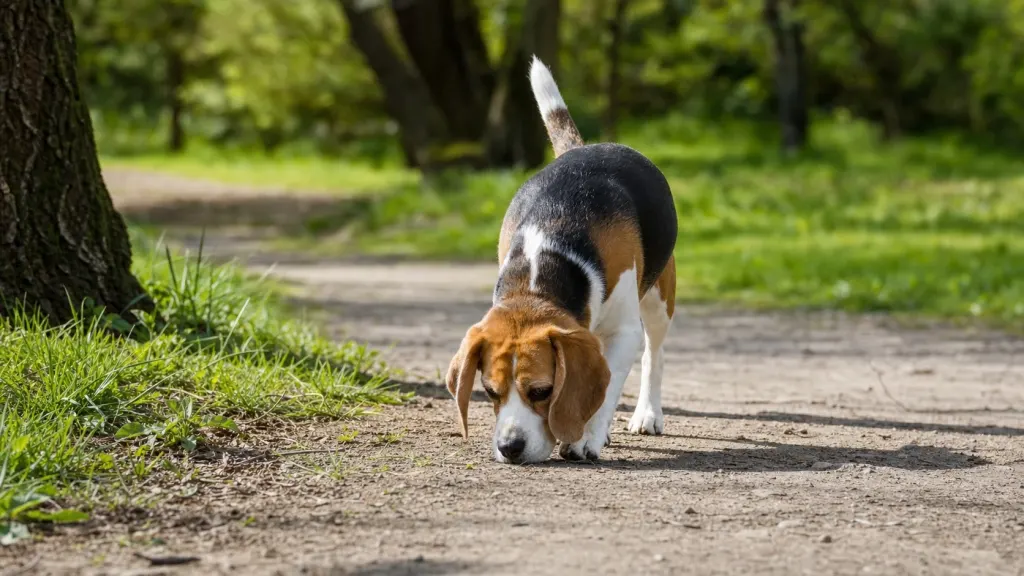
Training a Beagle requires patience, consistency, and positive reinforcement. As independent scent hounds, they can be headstrong when a competing smell catches their interest. Scent games, food-motivated rewards, and short, engaging training sessions yield the best results.
PDSA Veterinary Nurse Shauna Walsh emphasizes the importance of outdoor safety: “Beagles typically suit a high-energy lifestyle with lots of time exploring and adventures, and minimal time spent alone due to their high social need. They can have a tendency to bark, and have a reputation for being good escape artists, so a Beagle-proof garden is essential!”
Note: Never leave a Beagle unsupervised in an unfenced area. Their keen sense of smell can override recall training, prompting them to follow a scent trail across roads or through small fence openings.
Beagle Health Issues and Lifespan
The average lifespan of a Beagle ranges from 12 to 15 years when provided with proper care, balanced nutrition, and regular veterinary checkups. While generally a hardy breed, Beagles are prone to specific health conditions that owners should monitor:
- Obesity: Their strong appetite and food motivation make them susceptible to rapid weight gain, which puts extra strain on joints and organs.
- Ear Infections: Pendulous ears trap moisture and dirt, making routine ear inspection and cleaning essential.
- Hip Dysplasia and Intervertebral Disc Disease (IVDD): Structural conditions that can affect mobility as dogs age.
- Idiopathic Epilepsy and Hypothyroidism: Manageable metabolic and neurological conditions reported in the breed, as noted in the Chewy Beagle breed profile.
- Cherry Eye: Prolapse of the third eyelid gland, which may require veterinary surgical correction.
Beagle Grooming and Care
Grooming a Beagle is relatively straightforward thanks to their short, smooth coat. Brushing them once or twice a week with a medium-bristle brush or grooming mitt helps remove loose hair and maintain coat shine. Beagles shed moderately year-round, with heavier shedding during spring and fall coat transitions.
Bathing is only necessary every 4 to 6 weeks, or when the dog gets noticeably dirty during outdoor adventures. However, ear care requires weekly attention; gently wipe the outer ear canal with a veterinarian-approved ear cleaner to prevent moisture buildup and infection. Additionally, brush their teeth regularly and trim their nails monthly to prevent splitting or joint discomfort.
Is a Beagle Dog Breed Right for Your Family
A Beagle makes an excellent companion for active families, individuals who spend plenty of time outdoors, and households with other pets. Their playful, gentle disposition creates strong bonds with children of all ages.

However, they may not be the ideal choice for first-time owners who prefer a low-energy, highly obedient dog that needs minimal exercise. If you are considering other family-friendly options, you can compare their traits with smaller breeds like the Pug dog breed profile or larger companion dogs such as the Labrador Retriever guide.
Key requirements for prospective Beagle owners include:
- A securely fenced yard with buried fencing elements to prevent digging escapes.
- Commitment to daily outdoor exercise and scent-enrichment activities.
- Willingness to manage vocalizations through early socialization and training.
Beagle Price and Where to Find One
The cost of purchasing a Beagle puppy from a reputable, health-testing breeder typically ranges from $800 to $1,500, depending on pedigree, location, and breeder credentials. Responsible breeders perform genetic screening for eye and hip conditions prior to breeding.
Adoption through breed-specific rescue organizations or local shelters is another rewarding option, with adoption fees usually ranging between $150 and $400, often covering vaccinations, spaying/neutering, and microchipping.
To explore other dog profiles and care resources, visit our comprehensive dog breed directory and main dog resource hub.
Frequently Asked Questions About Beagle Dog Breed
Do Beagles bark a lot?
Yes, Beagles are naturally vocal dogs. They express themselves using barks, whines, and a long howl known as baying. Early training and sufficient physical exercise help minimize unnecessary barking caused by boredom or loneliness.
What is the average lifespan of a Beagle?
The average lifespan of a Beagle is 12 to 15 years when raised with appropriate diet, regular exercise, and preventative veterinary care.
Are Beagles good with young children?
Yes, Beagles are known for their patient, friendly, and playful temperament, making them great companions for families with children. Supervision is always recommended during play between young children and dogs.
Are Beagles easy to train?
Beagles are intelligent but independent scenthounds. They respond best to patient, positive-reinforcement training using food rewards and scent games rather than harsh methods.
Leave a Reply