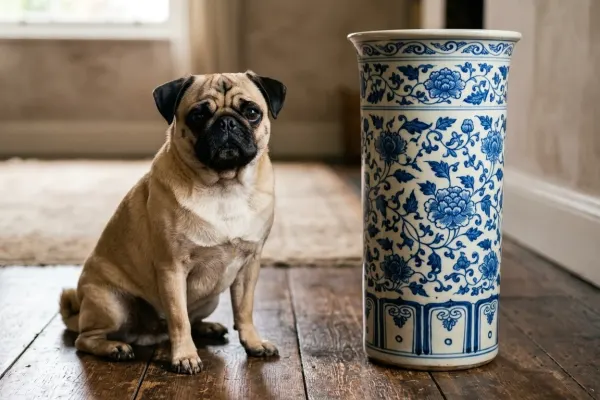
When owners ask why does my pug dog dig in the blanket?, the answer lies in ancestral denning instincts, thermal regulation, scent marking with paw pheromones, and the comforting swaddle-like pressure blankets provide. However, because pugs are a brachycephalic breed with shortened airways, owners must supervise blanket burrowing to prevent respiratory distress or overheating.
August 17, 2026
By ShowDogsWest Editor
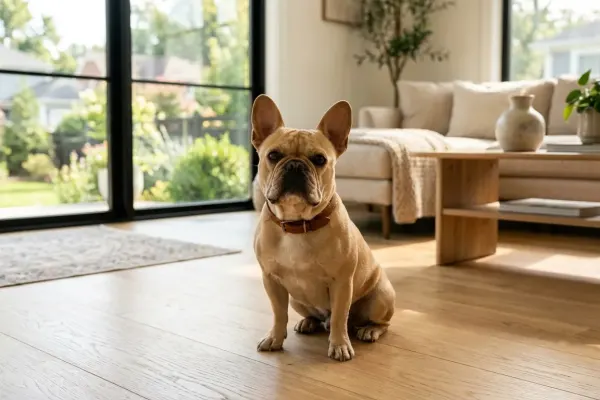
When evaluating the question are French Bulldogs aggressive, population-level veterinary surveillance shows that French Bulldogs are not an inherently aggressive breed. A comprehensive epidemiological study from the Royal Veterinary College (VetCompass) established that French Bulldogs have significantly lower odds of aggression compared to the general companion dog population, with an adjusted odds ratio of 0.64 (95% CI: 0.44 to 0.93, p=0.021). When individual French Bulldogs display growling, snapping, or biting, the behavior is typically triggered by acute physical pain, respiratory distress, fear from inadequate early socialization, or resource guarding rather than malicious temperament.
August 17, 2026
By ShowDogsWest Editor
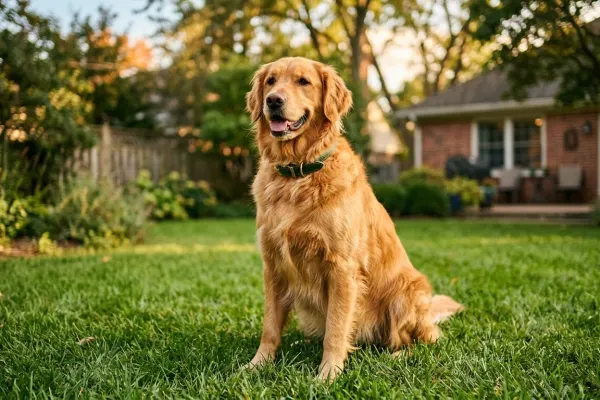
The golden retriever dog breed is an intelligent, athletic sporting dog developed in 19th-century Scotland for upland and wetland game retrieval. Recognized for a gentle disposition, high trainability, and a dense water-repellent double coat, adult Golden Retrievers measure 21.5 to 24 inches in height, weigh between 55 and 75 pounds, and need 60 to 90 minutes of daily exercise. Their average lifespan spans 10 to 12 years when supported by proper nutrition, weight control, and preventive health screenings.
August 17, 2026
By ShowDogsWest Editor
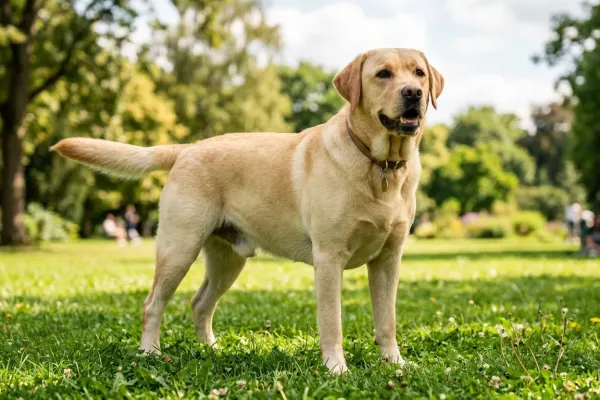
The Labrador Retriever dog breed is a versatile, medium-to-large sporting dog originally developed in Newfoundland and refined in Great Britain. Known for balanced athletic conformation, a water-resistant double coat, and a gentle disposition, adult males stand 22.5 to 24.5 inches tall and weigh 65 to 80 pounds, while females measure 21.5 to 23.5 inches and weigh 55 to 70 pounds. Labradors require daily physical exercise, structured obedience training, and diligent dietary monitoring to prevent obesity.
August 17, 2026
By ShowDogsWest Editor
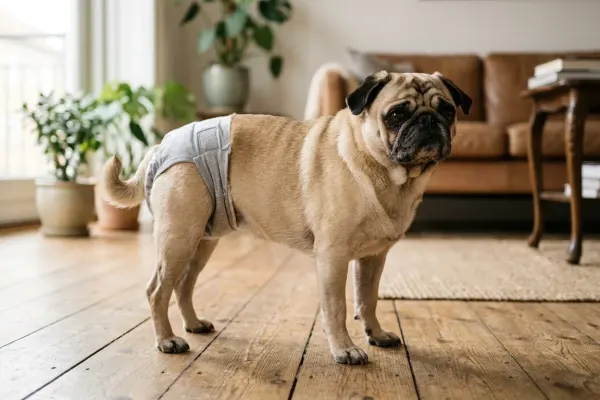
When deciding what size dog diaper for Pug dogs to wear, most adult Pugs fit a size Small dog diaper or male wrap, corresponding to a waist circumference of 14 to 18 inches and a body weight of 14 to 18 pounds. Smaller adult females and slender young Pugs often fit an Extra Small (XS), while broader or stocky Pugs may require a Medium (M). Because Pugs have a compact, barrel-shaped body with narrow hips, you must measure your dog's waist girth directly in front of the hind legs rather than relying only on scale weight.
August 17, 2026
By ShowDogsWest Editor
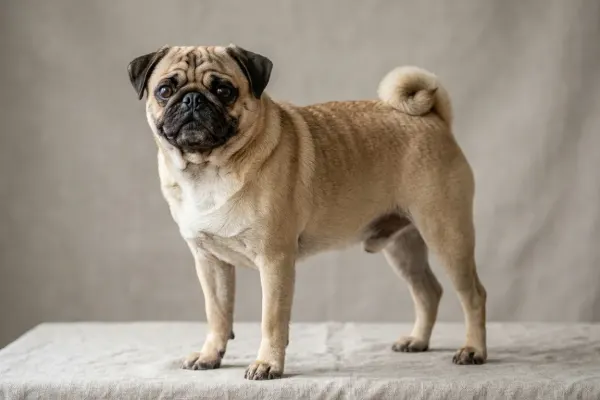
What does a Pug dog look like? At a glance, a Pug is a small toy breed recognized by its compact, square body, large round head, flat face with deep wrinkles, dark prominent eyes, and tightly curled tail. Adult Pugs typically stand 10 to 13 inches tall at the shoulder and weigh between 14 and 18 pounds. They feature a short, smooth coat that comes in fawn with a contrasting black facial mask or solid black.
August 17, 2026
By ShowDogsWest Editor
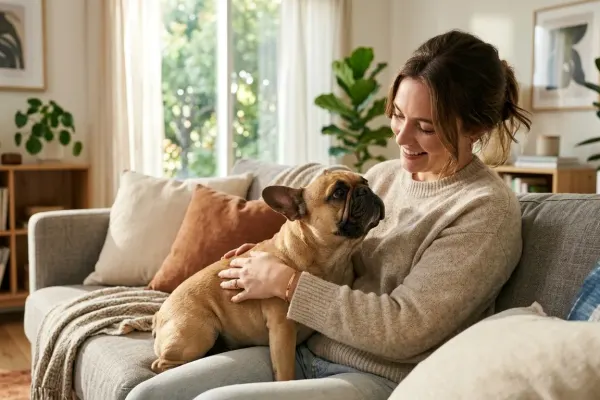
The main reason why are French Bulldogs so clingy is that they were selectively bred for centuries exclusively as human companion lap dogs. Their attachment is reinforced by mutual oxytocin hormone surges during physical contact and their dependence on owners for thermal and physical comfort. While regular shadowing is normal, sudden spikes in clinginess often indicate physical pain, sensory loss, or separation anxiety.
August 17, 2026
By ShowDogsWest Editor
When asking what dogs make a pug, canine history reveals that the Pug is an ancient, distinct purebred dog rather than a modern hybrid created by crossing two separate breeds. Its primary genetic foundation is the Lo-sze, a short-coated, flat-faced companion dog treasured in Chinese imperial courts for over two thousand years. During the 19th century in England, breeders selectively refined the breed by blending the Morrison and Willoughby bloodlines, incorporating limited infusions from the English Bulldog and Asian Happa dogs to solidify bone structure, velvet coat texture, and facial wrinkling.
August 17, 2026
By ShowDogsWest Editor
Understanding what were pug dogs bred for begins in ancient China around 400 BCE, where imperial breeders developed them exclusively to serve as cherished lapdogs and royal companions for emperors, nobility, and Buddhist monks. Unlike working breeds developed for herding, hunting, or property defense, breeders selected pugs entirely for their gentle temperament, compact size, and affectionate nature. They lived in luxury within palace walls, warmed imperial laps, and served as prized diplomatic gifts. Today, their purpose remains unchanged: they are dedicated, low-exercise indoor companion pets.
August 17, 2026
By ShowDogsWest Editor
So, are pugs good apartment dogs? The short answer is yes. Pugs make excellent apartment dogs because of their compact size, quiet indoor demeanor, and modest daily exercise needs. However, their brachycephalic facial structure makes them sensitive to warm temperatures, meaning indoor climate control, strict weight management, and consistent shedding care are essential for their health in compact living spaces.
August 17, 2026
By ShowDogsWest Editor