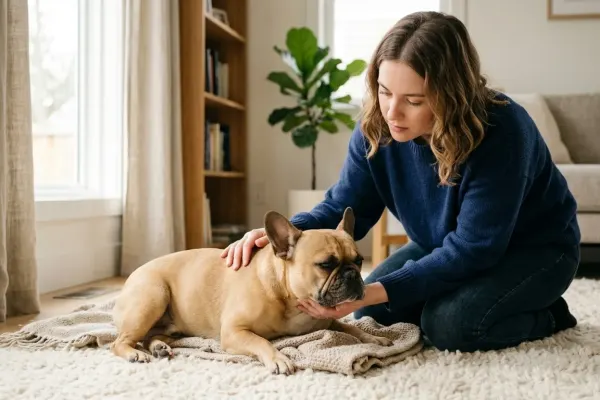
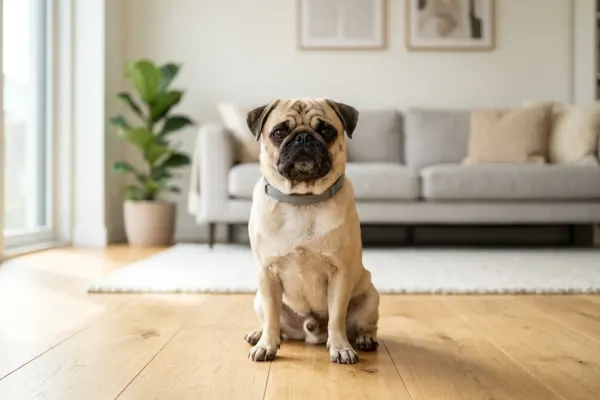
If you are asking why does my french bulldog keep throwing up, the issue primarily stems from their brachycephalic (flat-faced) anatomy, which causes them to swallow excess air while eating or breathing. Common non-emergency causes include eating too quickly, an empty stomach buildup of digestive fluid (bilious vomiting syndrome), and mild dietary indiscretion. However, frequent vomiting can also signal underlying health conditions such as megaesophagus, food allergies, gastritis, or emergency obstruction. Observing the timing, texture, and color of the vomit is the key first step to determining whether your dog needs simple feeding adjustments or immediate veterinary intervention.
August 9, 2026
By ShowDogsWest Editor
When are Pugs considered senior dogs? Most owners should begin treating a Pug as a senior around age 8, with age 7 a sensible point to start the conversation. The American Animal Hospital Association defines a senior dog as one entering the last 25% of its estimated lifespan, meaning health history matters alongside the calendar.
August 7, 2026
By ShowDogsWest Editor
When owners ask how long do pug dogs live, general breed expectations point to about 8 to 12 years, but large veterinary studies show a median lifespan closer to 7.7 to 10 years. An individual Pug's age depends heavily on genetics, body weight, and respiratory health, so these population averages serve as planning tools rather than a strict timeline for a single dog.
August 7, 2026
By ShowDogsWest Editor
Do pug dogs fart? Yes, as all dogs do, and they have a reputation for being gassier than long-nosed breeds. Their flat face makes them gulp air, but the amount of gas varies by dog and is often driven more by eating speed and diet than by anatomy alone.
August 7, 2026
By ShowDogsWest Editor
If you are wondering do pug dogs drool, the answer is yes, but they generally produce less slobber than larger brachycephalic breeds like Mastiffs or English Bulldogs. Their tight-lipped jaw structure helps keep saliva inside the mouth under normal conditions. Light drooling during meals, warm weather, or excitement is completely natural. However, sudden or heavy drooling (ptyalism) can indicate dental disease, digestive distress, heat stress, or an oral injury that requires veterinary evaluation.
August 2, 2026
By ShowDogsWest Editor