
Skip to content
ShowDogsWest Editor
Site Owner & Editor

ShowDogsWest Editor

The site owner and editor of ShowDogsWest, an independent publication about everyday dog and cat care. Articles and tools are educational and are not a veterinary consultation. Source and correction information is available in our editorial policy.

About the Publisher

The site owner and editor of ShowDogsWest, an independent publication about everyday dog and cat care. Articles and tools are educational and are not a veterinary consultation. Source and correction information is available in our editorial policy.

Editorial Standards

ShowDogsWest documents its sourcing, corrections, update process and standards for pet-health content in the editorial policy. Read the editorial policy.

Latest Publications

209 Articles
A French Bulldog lying comfortably on an orthopedic dog bed in a sunlit living room Health

What Is IVDD in French Bulldogs? Causes, Prevention, and Surgery Cost

When asked what is IVDD in French Bulldogs, veterinarians explain it is a genetic spinal condition where the cushioning discs between the vertebrae prematurely harden and rupture. This extruded disc material compresses the spinal cord, causing acute back pain, mobility issues, and potentially paralysis.

Aug 24, 2026 11 min read
Chó Pháp trưởng thành ngồi cạnh bát ăn bằng thép trên nền bếp lát gạch Nutrition

What Can French Bulldogs Eat?

When asking what can French Bulldogs eat, their primary daily nutrition must come from a complete commercial small-breed dog food that meets AAFCO nutrient profiles. You can safely supplement their core diet with lean cooked meats (chicken, turkey, beef, lamb, and salmon), digestible carbohydrates (plain white or brown rice and oats), and select fresh produce (carrots, green beans, cucumbers, seedless apple slices, and blueberries). Avoid toxic kitchen items such as chocolate, grapes, raisins, onions, garlic, macadamia nuts, and xylitol. Because Frenchies are prone to sensitive stomachs, allergies, and obesity, keep all supplemental treats under 10 percent of their daily calorie allowance.

Aug 24, 2026 12 min read
Adult fawn Pug displaying curious and alert behavior while sitting on a living room floor. Behavior & Training

Pug Behavior: Complete Guide to Temperament, Quirks, and Training

Typical Pug behavior centers on an affectionate, even-tempered, and playful disposition, reflecting centuries of breeding as dedicated companion animals. Often called "velcro dogs," Pugs thrive on human closeness and adapt exceptionally well to household routines. While inherently gentle and low in aggression, they possess an independent stubborn streak during training and can develop separation anxiety if left alone for extended periods without proper mental enrichment.

Aug 24, 2026 11 min read
A healthy adult Ragdoll cat resting comfortably on a sofa illustrating the average lifespan of Ragdoll cats Health

How Long Do Ragdoll Cats Live? Average Lifespan & Health Factors

For owners asking how long do ragdoll cats live, the largest breed-specific study to date by Royal Veterinary College VetCompass found a median lifespan of 12.85 years, with some individuals living past 21 years of age. Half died younger and half older. While informal breed overviews often suggest lifespans extending well into the teens, this 12.85-year median reflects typical outcomes for purebred cats overall. An individual cat's longevity depends heavily on inherited genetics, lifelong body condition, comprehensive dental care, and maintaining a safe indoor environment.

Aug 24, 2026 12 min read
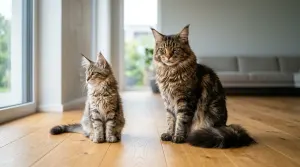
A large brown tabby Maine Coon cat resting on a wooden floor in a sunlit room, displaying tufted ears and a bushy tail. Cat Breeds

What’s a Maine Coon Cat? Breed Traits, Size, and Care Guide

When asking what's a Maine Coon cat, the answer is a large, rugged native North American longhaired cat breed that originated in the state of Maine. Famous for their friendly "gentle giant" disposition, tufted lynx-like ears, and bushy plumed tails, they are one of the largest domesticated feline breeds in the world. Adult males typically weigh between 18 and 22 pounds, while females range from 12 to 15 pounds. Unlike average domestic cats that finish growing around their first year, Maine Coons develop slowly over several years before reaching full physical maturity.

Aug 24, 2026 10 min read
Calm and friendly Maine Coon cat resting peacefully indoors, illustrating non-aggressive temperament Behavior & Training

Are Maine Coon Cats Aggressive? Temperament, Triggers, and Care Guide

Maine Coon cats are not naturally aggressive. Renowned across the feline fancy as "gentle giants," the breed is celebrated for its friendly, laid-back, and highly social temperament. When an individual Maine Coon displays aggressive behaviors such as hissing, biting, or scratching, the reaction is almost always driven by acute medical pain, environmental fear, territorial stress, petting overstimulation, or redirected frustration rather than an inherent genetic trait.

Aug 24, 2026 9 min read
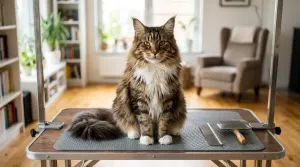
A healthy Maine Coon cat sitting on an examination table during a routine veterinary wellness checkup. Health

Do Maine Coon Cats Have Health Issues? Common Risks, Symptoms, and Care Guide

Do Maine Coon cats have health issues? While they are generally hardy and sturdy companion animals with a long life expectancy, they carry genetic predispositions to specific inherited conditions. The most notable conditions include hypertrophic cardiomyopathy (HCM), feline hip dysplasia (HD), spinal muscular atrophy (SMA), and pyruvate kinase deficiency (PKDef). Responsible breeding screenings, routine veterinary echocardiograms, joint monitoring, and disciplined weight management significantly reduce health risks and ensure a high quality of life.

Aug 24, 2026 12 min read
Fluffy Maine Coon kitten sitting on a clinic table next to health assessment records and a digital scale. Cat Breeds

How Much Do Maine Coon Kittens Cost? Price Guide and Ownership Expenses

A pet-quality Maine Coon kitten from a reputable, registered breeder typically costs between $1,500 and $2,500. Show-quality kittens and those with breeding rights range from $2,500 to $4,000 or more. First-year supplies and veterinary setup add $800 to $1,500, while ongoing annual expenses average $1,200 to $2,000 for high-protein nutrition, oversized gear, grooming tools, and preventative healthcare.

Aug 24, 2026 10 min read
Prospective pet owner reviewing official breeder documentation with a young brown tabby Maine Coon cat. Cat Breeds

Where Can I Buy a Maine Coon Cat? Breeder Vetting, Adoption, and Costs

Prospective owners asking where can I buy a Maine Coon cat can purchase directly through registered catteries verified by official feline registries such as the Cat Fanciers' Association (CFA), or adopt through specialized feline rescue networks and shelter databases. Expect to pay between $1,500 and $4,000 for a healthy pet-quality kitten from an ethical breeder who provides parental cardiac ultrasounds, complete genetic panels, age-appropriate vaccinations, and an enforceable written health contract.

Aug 24, 2026 9 min read