
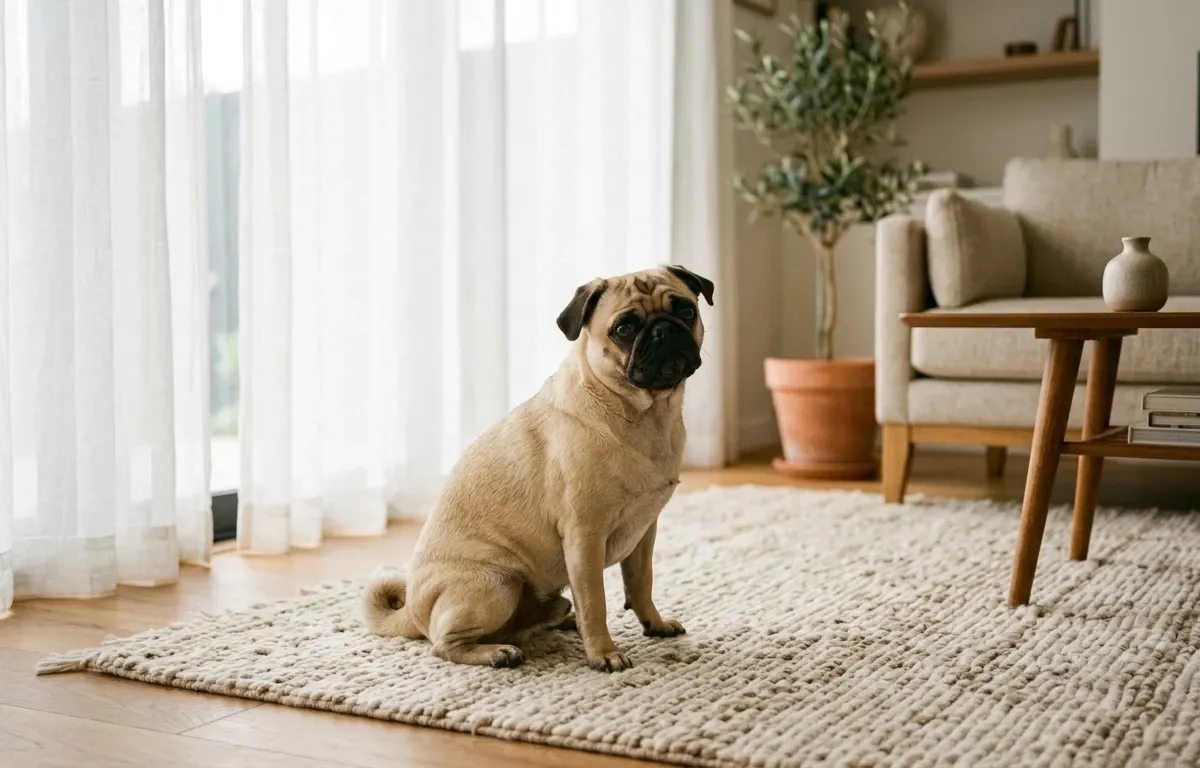
No, Pug dogs are not hypoallergenic. Pugs shed continuously throughout the year and release allergenic proteins through their dander, saliva, and urine, similar to most other canine breeds.
- Pugs possess a dense double coat that sheds constantly, releasing trapped dander into indoor environments.
- Veterinary consensus confirms no dog breed is 100% hypoallergenic.
- Canines produce allergens primarily via Can f 1 and Can f 2 proteins found in dander, saliva, and urine, not coat hair alone.
- Routine bathing, brushing, and HEPA air filtration can reduce allergen buildup but will not eliminate it.
- Low-shedding breeds with single coats or continuously growing hair produce fewer airborne allergens than Pugs.
Are Pugs hypoallergenic dogs
What “hypoallergenic dog” actually means
The term “hypoallergenic” literally means less likely to cause an allergic reaction. In popular culture, many people assume a hypoallergenic dog releases zero allergens. However, according to veterinary guidance from the VCA Animal Hospitals guide on hypoallergenic breeds, no dog breed is completely allergen-free. All dogs shed microscopic skin flakes known as dander and secrete proteins in their saliva and urine.
Breeds often labeled as hypoallergenic typically shed very little hair or have continuously growing wool coats, such as Poodles. Because dander attaches to shed hair, low-shedding breeds release fewer allergens into the air. However, individuals with severe canine allergies can still react to low-shedding dogs if exposed to their saliva or skin dander.
Why Pugs are not considered hypoallergenic
Pugs fail the criteria for hypoallergenic status due to their heavy shedding patterns and double coat structure. Despite having short fur, Pugs possess a dense undercoat beneath their smooth outer coat. This undercoat continuously sheds fine hairs 365 days a year.
As loose hair falls out, it carries microscopic dander particles across furniture, carpets, and clothing. Additionally, Pugs shed heavily during seasonal coat blowouts in spring and autumn, causing dramatic spikes in household allergen levels. Anyone sensitive to dog hair or skin flakes will likely experience allergy flare-ups around a Pug.
What allergens do Pugs produce
Dander, saliva, and urine proteins
Dog allergies are not caused by hair itself, but by specific microscopic proteins produced by the canine body. The primary allergens include Can f 1 and Can f 2, which originate in skin glands, salivary glands, and urinary tracts.
When a Pug grooms itself, salivary proteins coat its fur and skin. As the saliva dries, it breaks down into fine airborne dust that spreads throughout the home when the dog moves or scratches. For dog lovers seeking broader information about this breed beyond its allergy profile, explore our complete Pug breed profile.
Why the double coat and skin folds matter for Pugs
The anatomical design of the Pug creates unique allergen challenges. The dense double coat acts as a reservoir, trapping skin dander, dried saliva, and environmental dust close to the body until the hair sheds.
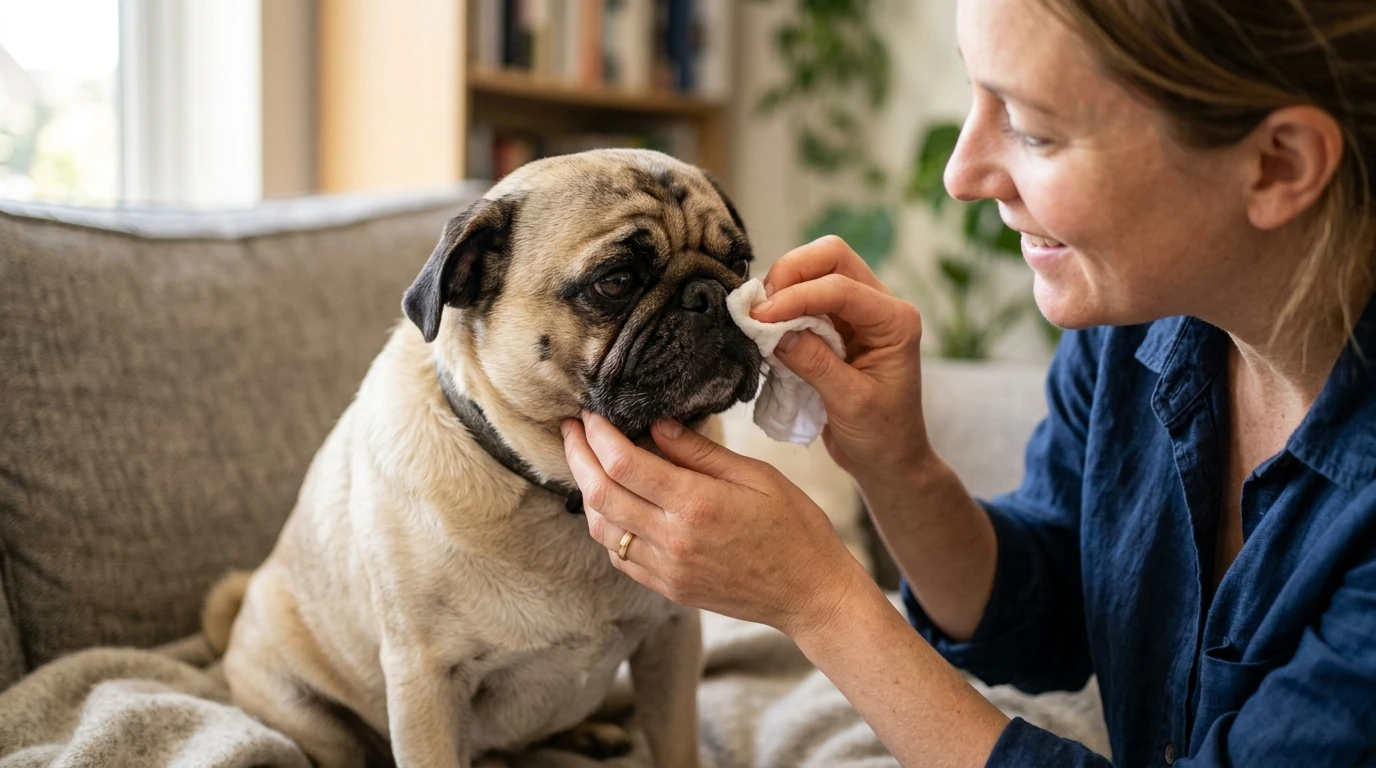
Furthermore, Pugs feature prominent facial wrinkles and skin folds. Moisture, sebum, and shed skin cells accumulate within these dark folds, creating an ideal environment for natural skin flora to multiply. When owners clean these facial wrinkles, contact with concentrated skin secretions can trigger localized allergic reactions on human hands and wrists.
Analysis: Managing pet allergies effectively requires targeting airborne dander particles and skin fold hygiene rather than assuming short hair equates to low allergen production.
Is a Pug hypoallergenic in specific cases
Are black Pugs hypoallergenic
A common myth among prospective pet owners is that coat color influences allergen levels, leading some to wonder if black Pugs are hypoallergenic. In reality, black Pugs share the exact same genetic coat architecture and protein production as fawn or apricot Pugs.
Black Pugs also feature double coats that shed continuously year-round. Skin gland secretions and protein levels in dander remain identical regardless of coat pigment. Therefore, black Pugs are not hypoallergenic.
Are Pug puppies hypoallergenic
Pug puppies often appear to trigger fewer allergy symptoms in their first few months of life. This leads to the misconception that puppies are hypoallergenic. However, young puppies produce less total dander simply because their body surface area is small and their dense adult undercoat has not yet developed.
As a Pug puppy matures between 6 and 12 months of age, its adult coat grows in, shedding increases dramatically, and dander production reaches adult levels. A puppy that produces minimal reactions initially will eventually release full adult allergen levels.
Are teacup Pugs hypoallergenic
Teacup or miniature Pugs are bred to be significantly smaller than standard Pugs. Because of their smaller physical stature, teacup Pugs shed a smaller volume of hair and dander overall compared to a full-sized dog.
However, the dander they do shed contains the exact same concentration of allergenic Can f 1 proteins. Their short double coats continue to shed, meaning teacup Pugs are not hypoallergenic and can still trigger reactions in sensitive individuals.
How to reduce allergy symptoms if you own a Pug
Grooming and bathing frequency
While you cannot change a Pug’s genetic allergy profile, structured hygiene routines significantly lower household allergen loads:
- Regular bathing: Washing your Pug every 2 to 4 weeks with a hypoallergenic or dander-reducing dog shampoo removes accumulated skin flakes and dried saliva. Avoid over-bathing with harsh soaps, which dries out the skin and increases dander production.
- Outdoor brushing: Brush your Pug 3 to 4 times a week using a rubber curry brush or de-shedding tool. Always brush outdoors so loose fur and dander blow away rather than settling inside your home.
- Wiping facial folds: Clean facial wrinkles daily with a damp cloth or vet-approved pet wipe to eliminate trapped secretions.
Cleaning and HEPA filtration at home
Airborne dander floats in household air for hours before settling on surfaces. Environmental controls help minimize exposure:
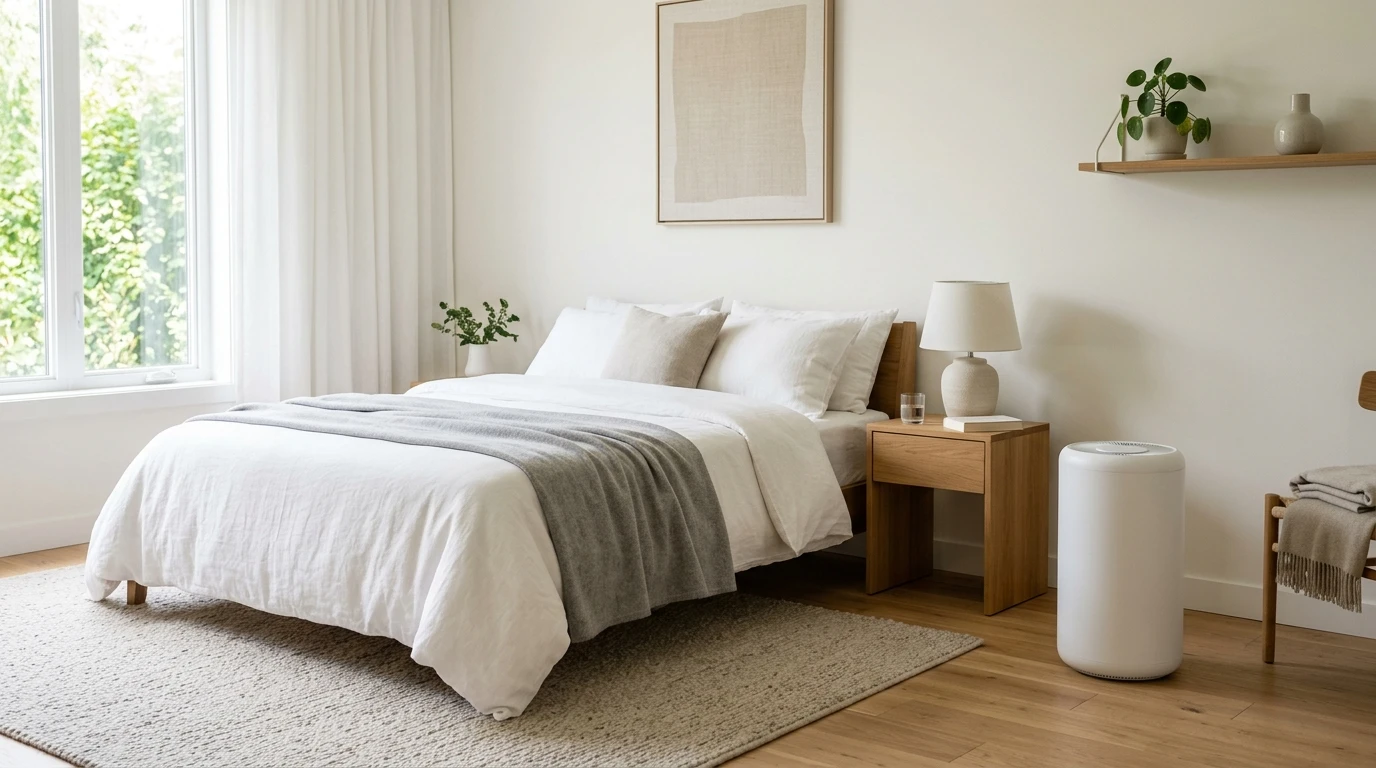
- HEPA air purifiers: Place High-Efficiency Particulate Air (HEPA) purifiers in main living areas and bedrooms to continuously filter microscopic dander out of the air.
- Frequent vacuuming: Vacuum carpets, rugs, and upholstered furniture at least twice weekly using a vacuum cleaner equipped with a sealed HEPA filter.
- Washing fabrics: Wash dog bedding, couch covers, and curtains in hot water (at least 130°F or 54°C) weekly to neutralize protein allergens.
Dog-free zones in the bedroom
Establishing strict boundaries inside the home gives your immune system a dedicated recovery period:
- Keep your Pug out of bedrooms at all times, keeping the bedroom door closed.
- Use mattress and pillow encasements designed to block dust mites and pet dander.
- Replace carpet in sleeping areas with hard flooring like wood or tile, which does not trap dander.
Lower-shedding breed alternatives if allergies are severe
If you or a family member suffer from moderate to severe dog allergies, choosing a Pug may lead to ongoing health discomfort and difficult rehoming choices. Prospective owners evaluating whether Pugs make good family dogs should carefully factor in allergy management requirements before making a commitment.
For households needing a low-shedding companion, consider breeds with single coats or hair that grows continuously:
- Poodle: Standard, Miniature, and Toy Poodles have single wool coats that shed minimally, making them popular choices for allergy sufferers. Learn more in our detailed Poodle breed guide.
- Bichon Frise: Known for their plush, low-shedding white coats, Bichons produce minimal airborne dander when properly groomed.
- Maltese: Featuring a silky single coat without an undercoat, Maltese dogs shed very little fur throughout the year.
Note: This information is for general guidance and does not replace advice from a veterinarian or allergist regarding pet allergies.
Frequently Asked Questions about are pug dogs hypoallergenic
Do Pugs shed a lot of dander compared to other breeds?
Yes. Because Pugs shed hair continuously throughout the year from their dense double coat, they release a higher volume of airborne dander into the home than low-shedding or single-coated dog breeds.
Can you build natural immunity to Pug dog allergies over time?
Some individuals report mild desensitization after long-term exposure to their own pet, but spontaneous natural immunity is unpredictable. Allergists recommend medical evaluation and allergy shots (immunotherapy) rather than relying on natural exposure.
Are mixed Pug breeds like Puggles hypoallergenic?
No. Crossing a Pug with another breed, such as a Beagle or French Bulldog, does not guarantee a hypoallergenic coat. Puggles and other Pug mixes typically inherit double coats and heavy shedding traits from their parent breeds.

Leave a Reply