

When pet owners ask what is the life expectancy of a pug dog, the general breed average is between 12 and 15 years under optimal home care. However, large-scale clinical veterinary studies in the UK report a lower median life expectancy at birth ranging from 7.65 years (RVC VetCompass primary-care dataset) to 11.6 years (McMillan et al. multi-source cohort dataset). Facial anatomical compression and respiratory complications are the primary drivers of reduced longevity compared to standard-muzzled small dog breeds.
- The general breed lifespan expectation is 12 to 15 years, with female Pugs averaging slightly longer than males.
- UK veterinary clinical studies reveal an overall population median life expectancy of 7.65 to 11.6 years due to early respiratory and congenital risks.
- Brachycephalic Obstructive Airway Syndrome (BOAS) and severe heat sensitivity represent the largest physical threats to Pug longevity.
- Proactive weight control, using a chest harness instead of a neck collar, and preventing heat stroke significantly extend senior lifespan.
- Pugs are officially classified as senior dogs at 7 to 8 years of age, requiring biannual veterinary health checkups.
Average Lifespan of a Pug Dog
When prospective pet parents search for the average lifespan of a Pug, traditional canine breed guidebooks and kennel club standards routinely list a baseline expectation of 12 to 15 years. In well-maintained domestic settings with high-quality nutrition, regular dental care, and attentive medical oversight, many individual Pugs comfortably reach 12, 13, or 14 years of age.
However, modern epidemiological research analyzing vast clinical primary-care veterinary databases shows that population-level longevity varies depending on cohort selection and health tracking methods.
Why Pug Lifespan Estimates Vary Across Sources
The discrepancy between traditional pet reference figures and formal veterinary epidemiologic data stems directly from statistical methodology and data collection parameters:
- Kennel Registry Data and Owner Surveys: Traditional estimates of 12 to 15 years frequently derive from voluntary owner surveys or purebred dog registries. These cohorts naturally sample highly engaged dog owners whose pets receive comprehensive preventive medical care and immediate clinical treatment.
- Veterinary Primary-Care Clinical Records (RVC VetCompass 2022): A milestone study by researchers at the Royal Veterinary College (RVC), published in PubMed, evaluated clinical records across UK veterinary practices. The study identified an overall median life expectancy at birth of 7.65 years for Pugs. Early mortality driven by severe respiratory compromise in young or middle-aged dogs lowers the population-wide median calculated from birth.
- Aggregated Large-Cohort Longevity Datasets (McMillan et al. 2024): A study published in Scientific Reports by McMillan et al., examining over 584,000 UK dogs across veterinary practices, welfare charities, and pet insurance registries, reported a median survival of 11.6 years for Pugs. This broader dataset indicates that Pugs surviving initial developmental hurdles frequently achieve life spans comparable to standard small dog breeds.
Analysis: Population-level clinical datasets incorporate mortality across all born puppies, including those affected early in life by acute respiratory crises or severe congenital anomalies. Pugs that successfully navigate early health vulnerabilities and maintain lean physical body conditioning regularly reach the upper longevity tier of 12 to 15 years.
Primary Factors Influencing a Pug’s Lifespan
Canine longevity is dictated by genetic background, structural anatomy, and day-to-day environmental management. Understanding the primary health vulnerabilities of Pugs allows owners to implement preventive interventions early. For detailed guidance on identifying and treating canine illnesses, explore our comprehensive canine health section.
How Brachycephalic Airway Syndrome (BOAS) Affects Longevity
Pugs belong to the flat-faced (brachycephalic) canine classification. Selective breeding for a shortened facial skull compresses nasal passages, soft palates, and windpipes into a restricted anatomical space, resulting in Brachycephalic Obstructive Airway Syndrome (BOAS).
Chronic airway obstruction dramatically increases resistance during normal respiration, elevating workload on both the pulmonary and cardiovascular systems. Over time, restricted airflow can precipitate secondary tracheal collapse, exercise intolerance, severe susceptibility to heat stroke, and chronic cardiac strain.
Dr. Dan O’Neill, Associate Professor in Companion Animal Epidemiology at the Royal Veterinary College and chair of the UK Brachycephalic Working Group, emphasized the profound health implications associated with extreme flat-faced anatomy:
“Issues related to their huge popularity and serious health problems have triggered a health and welfare crisis for flat-faced dog breeds such as the French bulldog, pug and English bulldog. This new research underlines these major health issues by revealing that flat-faced dogs live 1.5 years shorter lives than typical dogs.”
Common Health Conditions Impacting Senior Pugs
Beyond structural airway compromise, several specific veterinary conditions directly influence life expectancy in aging Pugs:
- Neurological Disorders (Necrotizing Meningoencephalitis / NME): Commonly referred to as Pug Dog Encephalitis, NME is an inflammatory central nervous system disease unique to the breed. It typically strikes young to middle-aged dogs between 1 and 6 years of age and is progressive and fatal.
- Obesity: Excess adipose tissue severely exacerbates BOAS symptoms, impairs thermoregulation, and accelerates painful osteoarthritic joint breakdown.
- Neoplasia (Cancer): Senior Pugs face increased risk for mast cell tumors, oral melanomas, and cutaneous lymphoma.
- Chronic Dermatological Inflammation: Deep facial skin folds trap environmental moisture, sebum, and bacterial debris. While dermatological issues are rarely fatal on their own, chronic skin inflammation compromises immune health. Dog owners managing allergic skin conditions can review our detailed Pug hypoallergenic guide to understand dander and shedding management.
Note: Pugs possess limited thermoregulatory capacity because restricted nasal passages prevent effective evaporative cooling through panting. Exposure to ambient temperatures above 80°F (27°C) or elevated humidity can induce rapid heat stroke within minutes. Climate-controlled indoor housing is essential during warm seasons.
How Pug Lifespan Compares to Other Dog Breeds
Canine life expectancy correlates inversely with adult body size, but structural conformation introduces distinct mortality variables. Small dog breeds generally outlive large dog breeds, yet flat-faced anatomical traits create structural health trade-offs absent in standard-muzzled dogs.
| Dog Breed | Median / Average Lifespan | Conformation Profile | Key Longevity Advantage / Risk Factor |
|---|---|---|---|
| Pug | 7.65 to 15.0 years | Brachycephalic (Flat-faced) | Small body frame favors longevity; flat skull structure elevates BOAS risk. |
| French Bulldog | 4.5 to 9.8 years | Brachycephalic (Flat-faced) | Severe respiratory and spinal malformation risks; lowest median lifespan among small UK breeds in RVC data. |
| Beagle | 12.0 to 15.0 years | Mesocephalic (Standard muzzle) | Proportional anatomy with minimal structural respiratory restriction. |
| Toy / Miniature Poodle | 14.0 to 18.0 years | Mesocephalic / Dolichocephalic | Consistently ranks among the longest-lived small canine profiles worldwide. |
| Chihuahua | 14.0 to 17.0 years | Mesocephalic / Apple head | High natural longevity; susceptible to mitral valve disease in senior years. |
Comparative anatomical data confirms that small breeds with standard, elongated muzzles consistently outlive small flat-faced breeds. The Pug occupies an intermediate position: its compact body size confers a statistical longevity advantage over large dog breeds, but its facial structure introduces anatomical risks not present in standard-muzzled companions.
Practical Tips to Extend Your Pug’s Life Expectancy
While dog owners cannot alter inherited genetic traits, proactive daily management and early veterinary intervention significantly improve long-term health outcomes.
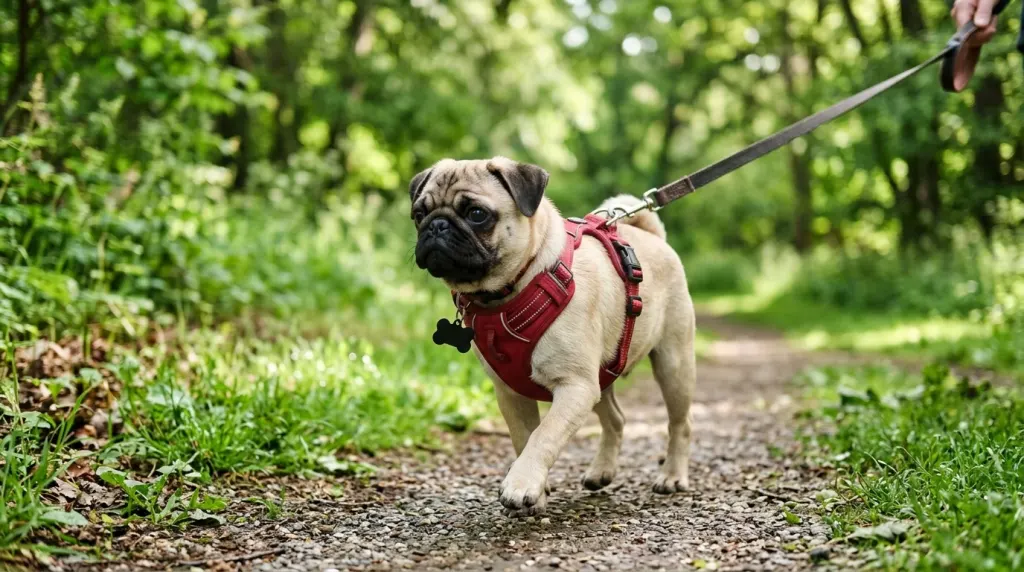
- Maintain a Lean Body Condition Score: Keep your Pug at an optimal body weight where ribs are easily palpable and an overhead waistline is clearly visible. Strict calorie control is the single most effective action an owner can take to reduce respiratory stress.
- Utilize a Supportive Padded Harness: Never connect a walking leash directly to a neck collar. Collars exert sudden mechanical pressure on compromised tracheal rings, risking airway collapse. A wide, padded chest harness distributes pulling forces safely across the ribcage.
- Enforce Rigorous Heat Prevention: Keep Pugs in air-conditioned environments during warm weather. Limit outdoor bathroom breaks to early morning or late evening hours, and carry fresh water whenever traveling.
- Daily Facial Wrinkle Hygiene: Clean facial skin folds daily using an antiseptic, alcohol-free pet wipe to prevent severe bacterial fold dermatitis. Perform routine oral care to prevent systemic bacterial translocation from advanced periodontal disease.
- Early Veterinary BOAS Evaluation: Consult a licensed veterinarian if your Pug demonstrates loud stertorous breathing, exercise intolerance, or chronic regurgitation. Surgical procedures such as widening narrow nostrils (stenotic nares) or trimming an elongated soft palate can dramatically restore airflow and extend quality of life.
Recognizing Signs of Aging in Senior Pugs
Pugs are officially classified as senior dogs upon reaching 7 to 8 years of age. Recognizing age-related physical and behavioral changes enables timely veterinary care and comfort adjustments.
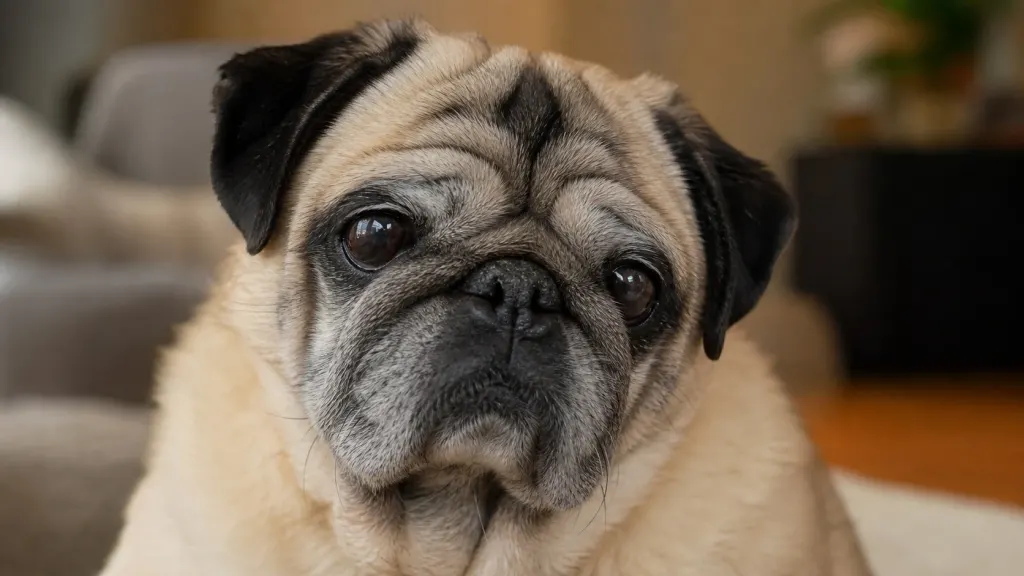
- Ocular Clouding (Lenticular Sclerosis): A bluish, translucent haze within the eye lens is common in aging Pugs. Regular veterinary ophthalmic examinations distinguish benign sclerosis from painful corneal ulcers or cataracts.
- Hind Limb Weakness and Gait Abnormalities: Spinal osteoarthritis or early signs of Pug Gait Abnormality (a progressive neurological condition affecting hindquarter coordination) can make jumping or climbing stairs difficult.
- Reduced Endurance and Increased Rest: Senior Pugs require longer sleep periods and display decreased physical stamina during routine daily walks.
- Silvering of Facial Fur: Graying hair around the muzzle, chin, and eyebrows typically becomes prominent after age 7.
Frequently Asked Questions About Pug Lifespan
Is a 7-year-old Pug considered old?
Yes. In veterinary medicine, a 7-year-old Pug is officially classified as a senior dog. At this stage, metabolic rates decline, joint cartilage experiences cumulative wear, and annual or biannual senior health screenings including blood chemistry panels and urinalysis are strongly recommended.
Can a Pug live for 20 years?
While extraordinary, individual Pugs have been documented reaching 19 to 20 years of age under exceptional circumstances. The vast majority of Pugs live between 11 and 15 years when provided with diligent veterinary oversight, optimal nutrition, and rigorous body weight management.
Note: This article is intended strictly for educational purposes and does not substitute for professional veterinary diagnosis, treatment, or advice. Always consult a licensed veterinarian regarding your dog’s specific health needs.
Leave a Reply